
Bhavanisagar: The Dam that Holds Water — and Weight

- Tamil
- Hindi
- Malayalam
- Kannada
- Telugu
Constituency No. 107 | Erode District | General
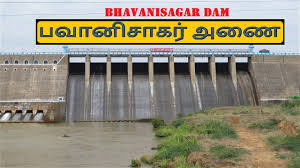
Bhavanisagar is not defined by a town square or textile street. It is defined by a wall of concrete and a sheet of water that stretches to the horizon. The Bhavanisagar Dam — one of the largest earthen dams in India — is not merely infrastructure here. It is identity, economy and political metaphor.
This is a constituency built around irrigation control, agrarian promise and the quiet scenic sweep of western Tamil Nadu’s river-fed plains.
When the dam fills, confidence rises. When levels fall, questions multiply.
The Dam and the Delta Within
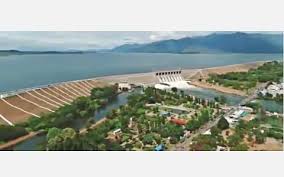
The Bhavanisagar Dam, constructed across the Bhavani River in the 1950s, transformed the region’s agricultural potential. It feeds an extensive canal network that irrigates thousands of acres across Erode and neighbouring districts.
Unlike monsoon-dependent belts, Bhavanisagar enjoys regulated water release — when storage permits. The dam’s vast reservoir has also become a scenic attraction, drawing visitors for its open water vistas, embankments and surrounding greenery.
This is both lifeline and landscape.
Fields Fed by Flow
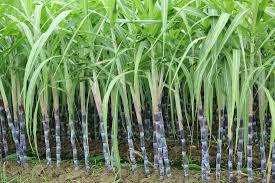
Agriculture here thrives on canal irrigation. Paddy, turmeric, sugarcane and banana cultivation dominate. Dairy farming supplements income in several villages.
Farmers track dam levels almost like election results. Storage figures are discussed in tea stalls. Canal opening dates influence crop cycles. Irrigation schedules can determine mood.
Water management is not policy abstraction here. It is daily arithmetic.
Forest Edge and Rural Spread
Parts of the constituency approach forest fringes and wildlife corridors, adding ecological sensitivity to governance. Rural roads wind through agricultural tracts toward Sathyamangalam ranges.
Environmental balance matters. Canal maintenance must coexist with forest preservation. Illegal sand mining and encroachment debates occasionally surface.
Bhavanisagar’s rural profile remains dominant. Urban sprawl is limited.
The Electoral Ledger:
Bhavanisagar’s recent verdicts reflect western Tamil Nadu’s structured competition.
2011
Winner: S. Sundaram (AIADMK) — 92,784 votes
Second: P. Ramasamy (DMK) — 76,913 votes
Third: K. Kumar (DMDK) — 23,504 votes
Margin: 15,871 votes
2016
Winner: Eswaran S(AIADMK) — 83006 votes
Second: Sathya R (DMK) — 69902 votes
Third: Sundaram P.L (CPI) — 27965 votes
Margin: 13104 votes
2021
Winner: A. Bannari (AIADMK) — 99,181 votes
Second: P.L.Sundaram(CPI) — 83173 votes
Third: V.Sangeetha(NTK) — 8517 votes
Margin: 16,008 votes
The axis shifted again, with a widened but not overwhelming margin.
Bhavanisagar has alternated within structured competition, rarely producing razor-thin finishes.
Western Alignment
Located within the Kongu belt, Bhavanisagar reflects the broader voting discipline of western Tamil Nadu. Community alignments, organisational depth and alliance arithmetic shape margins.
Regional consolidation has historically influenced outcomes here. When western Tamil Nadu moves in a particular direction, Bhavanisagar often aligns.
Yet irrigation performance can override broader currents.
Tourism and Tranquillity
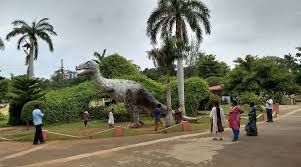
The reservoir’s scenic stretch attracts weekend visitors. Open skies, calm waters and rural quiet provide respite from urban congestion. Photography enthusiasts and families frequent the dam site during holidays.
Though tourism is not the primary economic driver, it adds visibility and minor commercial activity.
The dam is both functional and aesthetic.
Cuisine and Custom
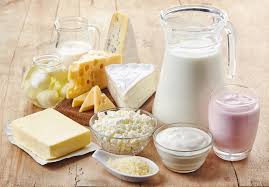
Kongu cuisine defines local life — arisi paruppu sadam, coconut gravies, turmeric-infused dishes and fresh dairy products. Agricultural abundance shapes plate and palate.
Temple festivals in canal-fed villages feature communal feasts that strengthen social cohesion. Politics travels through these gatherings quietly.
Life here flows with irrigation schedules.
Civic Expectations
Key concerns remain predictable yet crucial:
Canal desilting and maintenance.
Timely water release coordination.
Rural road upgrades.
Protection against encroachments along water bodies.
Electricity stability for pump sets and agricultural machinery also influences sentiment.
Bhavanisagar expects governance to be steady rather than theatrical.
What Decides Here
Three determinants frame electoral direction:
Dam Storage and Release.
Water levels translate into political comfort.
Organisational Cohesion.
Close margins demand disciplined booth management.
Agricultural Stability.
Crop success tempers anti-incumbency.
When irrigation confidence holds, margins expand. When uncertainty rises, they tighten.
Closing Frame
The dam wall stands firm against flowing water. Canals branch outward like electoral pathways. Fields shimmer under irrigation-fed sun.
Bhavanisagar’s politics mirrors its reservoir — calm on the surface, weighty beneath.
In this constituency, water is not metaphor alone. It is mandate.
And when Bhavanisagar votes, it does so with the steadiness of a river held — but never ignored.