
Colachel: Where a Naval Battle Was Won and the Sea Still Decides

- Tamil
- Hindi
- Malayalam
- Kannada
- Telugu
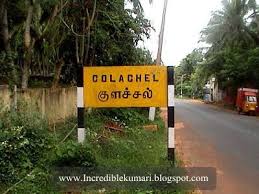
Constituency No. 219 | Kanniyakumari District | General
Colachel is a coastal constituency where history rose from the sea and never quite receded. In 1741, on these very shores, the Travancore forces under Marthanda Varma defeated the Dutch East India Company in the Battle of Colachel — one of the earliest instances in Asia of a European naval power being decisively beaten by an Indian kingdom.
A stone memorial near the coast marks that encounter. Few constituencies in Tamil Nadu can claim such maritime distinction.
Today, the sea still defines Colachel — economically, socially and politically.
The Battle That Echoes
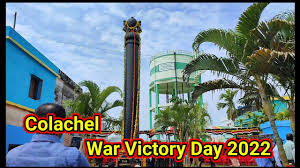
The Colachel War Memorial commemorates the 1741 victory over the Dutch. The battle altered regional power equations and strengthened Travancore’s hold over the coast. For local residents, the memorial is not abstract history; it is pride embedded in place.
Colachel’s identity, therefore, is shaped not merely by fishing nets and tides, but by resistance and resilience.
History here is coastal and consequential.
Harbour and Livelihood
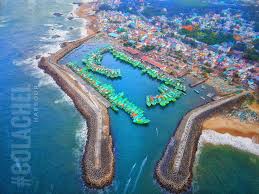
Colachel’s harbour infrastructure and fishing activities form the economic backbone of the constituency. Mechanised boats, traditional craft and daily fish auctions create a vibrant marine economy. Exports of marine products connect local fishermen to global markets.
Fuel costs, seasonal fishing bans during breeding periods, weather warnings and cyclone preparedness directly affect livelihoods. Marine policy is not peripheral in Colachel; it is central to household income.
When the sea is calm, prosperity flows. When it is turbulent, anxiety spreads.
Coastal Faith and Social Fabric
Kanniyakumari district carries a distinctive social composition, with strong Christian communities alongside Hindu and Muslim populations. Churches, temples and mosques stand within short distances of each other, shaping a layered civic culture.
Festivals — whether church feasts or temple celebrations — draw large gatherings. Religious institutions also serve as social support networks.
Political campaigns here must navigate this diverse social fabric carefully.
The Electoral Ledger:
Colachel’s recent verdicts reflect competitive consolidation.
2011
Winner: J. G. Prince (INC – DMK alliance) — 62,623 votes
Second: R. Sampath (AIADMK) — 58,978 votes
Third: S. Suresh (DMDK) — 17,884 votes
Margin: 3,645 votes
2016
Winner: J. G. Prince (INC ) — 67,195 votes
Second: Ramesh P (BJP) — 41167 votes
Third: Patchaimal K.T (ADMK) — 39219 votes
Margin: 26028 votes
2021
Winner: J. G. Prince (INC – DMK alliance) — 90,681 votes
Second: Ramesh (BJP) — 65,849 votes
Third: Antony Aslin (Naam Tamilar Katchi) — 18,202votes
Margin: 24,832 votes
The margin widened under consolidation.
Colachel has displayed stable alignment in recent cycles, with margins strengthening rather than compressing.
Rail and Road Connectivity
Colachel lies along the southern railway corridor linking Nagercoil and other coastal towns. Road connectivity toward Nagercoil and Kanniyakumari town ensures movement of goods and people.
Improved transport infrastructure has supported marine trade and daily commuting. Yet coastal erosion and storm damage remain persistent concerns along certain stretches.
In Colachel, connectivity is both economic lifeline and vulnerability.
Cyclone and Climate
Being a coastal constituency, Colachel faces periodic cyclone threats and heavy monsoon impact. Disaster preparedness, early warning systems and relief coordination influence public perception of governance.
Sea erosion and shoreline protection projects are recurring demands. Fisher communities expect both safety nets and structural safeguards.
The sea offers bounty. It also demands respect.
Education and Migration
Kanniyakumari district historically shows high literacy rates. Many families in Colachel have members working in Gulf countries or other parts of India. Remittances supplement household income.
Employment diversification — beyond marine trade — influences youth aspirations. Education infrastructure and skill development programmes carry weight.
Colachel’s economy is both coastal and global.
Cuisine and Coastal Identity

Seafood defines culinary identity. Fish curries, prawn preparations and dried fish markets shape daily diet. Harbour-side eateries serve fresh catch, reinforcing the maritime character.
Cuisine here is not branding. It is livelihood expressed on plate.
What Decides Here
Three determinants frame Colachel’s electoral direction:
Marine Livelihood Security.
Fuel subsidies, export facilitation and fishing regulations matter deeply.
Disaster Preparedness and Coastal Protection.
Cyclone response influences trust.
Alliance Consolidation in a Diverse Social Fabric.
Community alignment shapes margins.
Colachel does not swing casually. It aligns when confidence consolidates.
Closing Frame
Waves roll toward a shore that once saw cannons fire against colonial fleets. Boats depart at dawn. Fish auctions begin before sunrise. Church bells and temple drums echo across sea breeze.
Colachel is a constituency where history rose from the water and livelihood still depends upon it.
When it votes, it does so with the steadiness of a tide that has seen empires come and go.
In this southernmost stretch of Tamil Nadu, the sea remains the ultimate arbiter — of fortune, and sometimes, of mandate.