
Perambalur: Stone, Sugarcane and the Crossroads of Central Tamil Nadu
 By Nandhini
- Tamil
- Hindi
- Malayalam
- Kannada
- Telugu
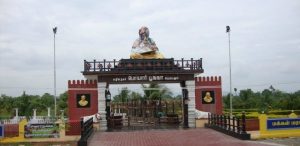
Constituency No. 147 | Perambalur District | Reserved (SC)
Perambalur lies at the geographical heart of Tamil Nadu, a constituency where agriculture, limestone-rich terrain and transport corridors intersect. Though smaller in size compared with many districts, Perambalur occupies an important strategic location between Tiruchirappalli, Ariyalur and the interior districts of central Tamil Nadu.
The region’s economy reflects two defining elements: fertile agricultural plains and mineral-rich geology. Fields of sugarcane, maize and cotton stretch across the countryside, while limestone deposits in nearby areas have supported the growth of cement and allied industries.
Perambalur town functions as an administrative and trading hub where farmers, traders and transporters converge. Its central position along national highways has also turned it into an important transit town connecting the north and south of the state.
Thus Perambalur represents a constituency where agriculture, mineral resources and road networks combine to shape the local economy.
Limestone Belt and Cement Industry
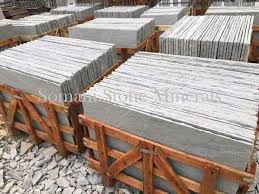
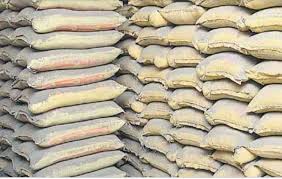
One of the distinctive features of the region around Perambalur is the presence of significant limestone deposits, which have contributed to the development of cement manufacturing in nearby areas.
The geology of the district forms part of the limestone-rich belt extending into neighbouring Ariyalur district. These mineral resources have encouraged the establishment of cement plants and related industrial activities.
The industry provides employment opportunities and supports the transport sector that moves raw materials and finished products across the state.
Perambalur’s economy therefore reflects the interaction between agriculture and mineral-based industry.
Agriculture and Rural Economy
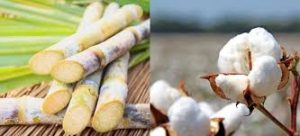
Agriculture remains the primary livelihood for many families in the constituency. Farmers cultivate crops such as sugarcane, maize, cotton and groundnut, depending on rainfall and irrigation availability.
Seasonal cultivation patterns reflect the semi-arid conditions of the region. Bore wells and irrigation tanks supplement rainfall to sustain farming activities.
Livestock rearing, particularly cattle and goats, also contributes to rural incomes.
The agricultural cycle therefore continues to shape the rhythm of life in the constituency.
Temple Heritage and Religious Life
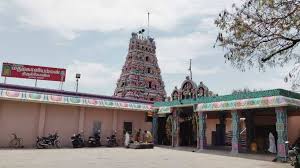
Perambalur district hosts several temples that serve as important spiritual centres for surrounding villages. Among the notable shrines in the region is the Siruvachur Madura Kaliamman Temple, one of the most revered Amman temples in central Tamil Nadu.
The temple attracts large numbers of devotees who visit seeking blessings from the powerful Kaliamman deity. Special days see thousands of pilgrims gathering for worship.
Village temples dedicated to Murugan, Shiva and local guardian deities also play an important role in community life.
Temple festivals bring together residents of many villages and remain vibrant cultural events.
Road Corridors and Transport Hub
Perambalur’s central location along the Chennai–Tiruchirappalli national highway corridor has turned the town into a busy transit point for goods and passenger traffic.
Trucks carrying agricultural produce, cement and other materials pass through the district regularly. Bus services connect the constituency with major cities such as Tiruchirappalli, Salem and Villupuram.
This road connectivity has encouraged the growth of roadside businesses, hotels and transport services.
The town therefore functions as a vital link in Tamil Nadu’s transport network.
Markets and Local Trade
Weekly markets in Perambalur serve as important centres where farmers sell crops, vegetables and livestock. Traders purchase these goods for distribution to nearby towns.
Rice mills, agricultural supply stores and small commercial establishments support the rural economy.
The town’s markets remain lively gathering points where agricultural trade continues much as it has for generations.
Electoral Ledger:
2011
Winner — R. Tamizhselvan (AIADMK) — 88,524 votes
Runner-up — M. Prabhakaran (DMK) — 71,092 votes
Third — S. Rajendran (DMDK) — 21,654 votes
Winning Margin — 17,432 votes
2016
Winner — R. Tamizhselvan (AIADMK) — 101073 votes
Runner-up — P.Sivakami (DMK) — 94220 votes
Third — Rajendran K (DMDK) — 11482 votes
Winning Margin — 6853 votes
2021
Winner — M. Prabhakaran (DMK) — 122090 votes
Runner-up — R. Tamizhselvan (AIADMK) — 91056 votes
Third — Maheshwari. M(Naam Tamilar Katchi) — 18,673 votes
Winning Margin — 31034 votes
Political contests in the constituency often mirror the broader electoral dynamics of central Tamil Nadu.
Civic and Development Concerns
Residents frequently highlight several priorities:
improved irrigation facilities for agriculture
better infrastructure for mineral and industrial transport
road safety and traffic management along highways
employment opportunities for youth
Balancing agricultural development with industrial expansion remains a key challenge.
Political Temperament
The electorate of Perambalur consists largely of farmers, agricultural labourers, traders and transport workers. Village networks and community organisations play an important role in political mobilisation.
Campaigns frequently focus on rural development, irrigation schemes and employment generation.
Candidates who maintain strong grassroots connections often gain support in the constituency.
What Decides Perambalur
Three factors usually influence electoral outcomes here:
Agricultural livelihood
Farmers remain a central voting bloc.
Industrial development
Cement and mineral industries shape economic expectations.
Transport infrastructure
Highway connectivity influences local commerce.
Perambalur voters therefore weigh both rural welfare and economic development when casting their votes.
Closing Frame
Across the fields of Perambalur, farmers cultivate crops while trucks rumble along highways carrying goods across Tamil Nadu. Temple bells ring in villages where ancient traditions continue alongside modern economic activity.
The constituency stands at a crossroads of agriculture, industry and transport.
When Perambalur votes, the verdict reflects the voice of a region where fertile soil and mineral wealth together shape the future of central Tamil Nadu.