
Poompuhar: Kannagi’s Flame, Chola Port Glory and the Lost City of the Sea
 By Nandhini
- Tamil
- Hindi
- Malayalam
- Kannada
- Telugu
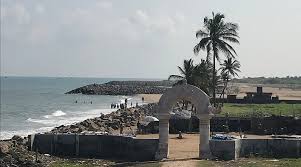
Constituency No. 162 | Mayiladuthurai District | General
Few places in Tamil Nadu carry the aura of antiquity and legend that surrounds Poompuhar. Today it is a quiet coastal constituency on the Bay of Bengal, but in the ancient past it stood as one of the most celebrated port cities of the Tamil world. Known historically as Kaveripoompattinam, the town flourished during the Chola period as a maritime hub linking Tamilakam with Southeast Asia and the wider Indian Ocean trade network.
Literary works of the Sangam era vividly describe its bustling streets, merchant ships and cosmopolitan life. Over centuries, however, much of that ancient city is believed to have been swallowed by the sea, leaving behind fragments of history and legend that continue to fascinate historians and archaeologists.
Modern Poompuhar therefore exists at the intersection of literature, archaeology and coastal life. Fishermen launch boats into the Bay of Bengal while tourists visit monuments recalling the ancient port that once stood here.
The constituency is thus not merely a coastal seat; it is a window into one of the earliest chapters of Tamil civilisation.
Kaveripoompattinam: The Ancient Chola Port
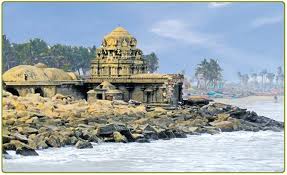
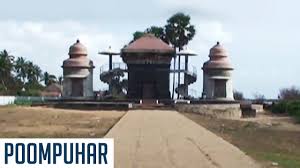
The historical heart of the constituency lies in the legendary port city of Kaveripoompattinam, often referred to simply as Poompuhar. Situated at the mouth of the Cauvery River, the port served as one of the principal maritime gateways of the early Chola kingdom.
Ancient Tamil literature describes merchant ships arriving with goods from distant lands while traders exported pearls, spices, textiles and precious stones. The city was known for its well-planned streets, markets and harbour facilities.
Sangam texts portray a thriving cosmopolitan settlement where merchants, artisans and sailors mingled along the waterfront.
The prosperity of Kaveripoompattinam made it one of the most important urban centres of ancient Tamilakam.
The Sea That Swallowed a City
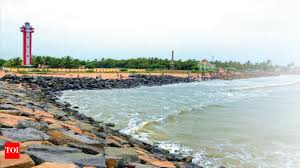
Historical traditions and archaeological research suggest that large parts of the ancient port city were lost to the sea centuries ago. Coastal erosion and possible tidal events gradually submerged sections of the settlement.
Marine archaeological explorations off the coast have uncovered structural remains and artefacts indicating the presence of submerged habitation sites.
These discoveries strengthened the belief that the ancient city once extended far beyond the present shoreline.
Today the coastline near Poompuhar stands as a silent reminder of a lost maritime metropolis whose remains may still lie beneath the waters of the Bay of Bengal.
Kannagi and the Epic of Silappathikaram
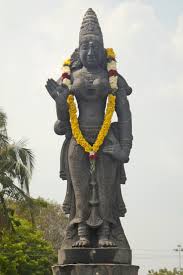
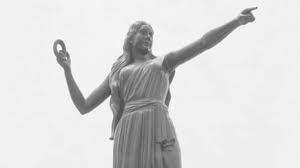
Poompuhar occupies a revered place in Tamil literary tradition as the opening setting of the great epic Silappathikaram. The story begins in this port city where the legendary heroine Kannagi lived with her husband Kovalan before the tragic events that unfold in Madurai.
In the epic, Poompuhar is depicted as a vibrant city filled with merchants, festivals and cultural life. The narrative’s vivid descriptions of the port and its society have shaped the popular imagination of the ancient Tamil world.
Modern memorial structures and sculptures in Poompuhar commemorate Kannagi and the literary heritage associated with the town.
Tamil cinema and cultural programmes have repeatedly drawn inspiration from this epic setting, further embedding Poompuhar in the cultural consciousness of the state.
Archaeology and Cultural Memory
Archaeological work in and around Poompuhar has revealed artefacts such as pottery, brick structures and trade-related objects pointing to the presence of an ancient urban settlement.
Scholars believe the site played a major role in maritime commerce between Tamil kingdoms and Southeast Asia during the early historic period.
Museums and cultural complexes in the area attempt to recreate the grandeur of the ancient port through sculptures and exhibits depicting scenes from Sangam literature.
These efforts have helped preserve the memory of Kaveripoompattinam as one of the great lost cities of South Asia.
Temples and Coastal Faith
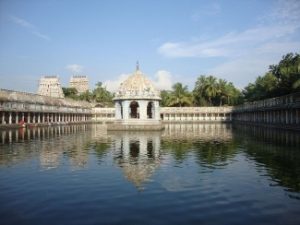
The constituency contains several temples that remain important centres of worship for coastal communities. Among them is the Masilamani Nathar Temple, an ancient Shiva temple located close to the seashore.
Part of the temple structure itself is believed to have been affected by coastal erosion over centuries, symbolising the long interaction between the town and the sea.
Village temples dedicated to Amman and Murugan also host annual festivals that attract devotees from nearby regions.
For fishing communities along the coast, these shrines serve as spiritual anchors before venturing into the sea.
Fishing Villages and Coastal Economy
Modern Poompuhar’s economy largely revolves around fishing and small-scale coastal trade. Fishing boats line the shore while nets dry in the sea breeze along village streets.
The Bay of Bengal provides livelihoods for hundreds of families engaged in fishing and related occupations. Fish markets and small trading networks distribute the catch to inland towns.
Seasonal weather patterns and cyclones often influence the economic stability of coastal communities, making resilience a defining trait of life here.
Electoral Ledger:
2011
Winner — S. Pavunraj (AIADMK) — 85,439 votes
Runner-up — N. Rajendran (DMK) — 78,912 votes
Third — K. Rajkumar (DMDK) — 21,785 votes
Winning Margin — 6,527 votes
2016
Winner — S. Pavunraj (AIADMK) — 87666 votes
Runner-up — Shajahan A.M (IUML) — 67731 votes
Third — Anbalagan R (PMK) — 16241 votes
Winning Margin — 19935 votes
2021
Winner — Niveda M. Murugan (DMK) — 96,102 votes
Runner-up — S. Pavunraj (AIADMK) — 92803 votes
Third — P.Kaliyammal(Naam Tamilar Katchi) — 14823 votes
Winning Margin — 3299 votes
Political contests here often reflect broader electoral patterns along the Cauvery delta coast.
Civic and Development Concerns
Residents frequently highlight several priorities:
coastal protection against erosion
improved infrastructure for fishing communities
tourism development linked to heritage and archaeology
better roads and transport to interior towns
Balancing heritage preservation with economic development remains an ongoing challenge.
Political Temperament
The electorate includes fishermen, farmers from inland villages, traders and small business owners. Coastal livelihoods and agricultural concerns both influence political mobilisation.
Campaigns often focus on fisheries welfare, coastal protection measures and tourism development.
Candidates who address both heritage preservation and economic needs tend to gain support.
What Decides Poompuhar
Three factors often shape electoral outcomes:
Coastal livelihoods
Fishing communities form an important voter base.
Heritage identity
The legacy of Kaveripoompattinam remains a source of regional pride.
Development expectations
Tourism, coastal protection and infrastructure matter greatly.
Poompuhar voters therefore weigh economic needs alongside cultural memory.
Closing Frame
Along the shores of Poompuhar, waves of the Bay of Bengal break against a coastline layered with history. Fishermen launch their boats at dawn while visitors stand before monuments recalling the grandeur of a lost port city.
Somewhere beneath those waters may still lie the remnants of ancient Kaveripoompattinam — the city where Kannagi’s story began and where maritime Tamil civilisation once flourished.
When Poompuhar votes, the verdict carries the echo of that long history — a voice shaped by sea, legend and the enduring memory of a civilisation that once looked outward to the oceans.