
Thanjavur: Chola Capital, Periya Koil and the Living Heart of the Cauvery Delta
 By Nandhini
- Tamil
- Hindi
- Malayalam
- Kannada
- Telugu
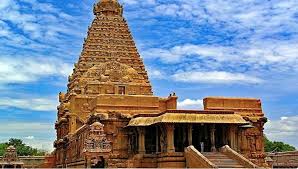
Constituency No. 174 | Thanjavur District | General
Thanjavur stands as one of the most historically charged cities in India and unquestionably one of the great civilisational centres of Tamil Nadu. Once the imperial capital of the mighty Cholas, later shaped by the Nayaks and Marathas, and nourished by the fertile waters of the Cauvery delta, Thanjavur embodies the layered story of Tamil power, faith, scholarship and culture.
Here temple towers rise above paddy fields, palace courtyards hold centuries of manuscripts and artisans continue traditions that trace their lineage to royal patronage. Thanjavur is therefore not merely a district headquarters or an Assembly constituency. It is a historic city whose influence has shaped religion, art, music and politics across Tamil Nadu.
Few constituencies carry such cultural density within their boundaries.
Imperial Capital of the Cholas
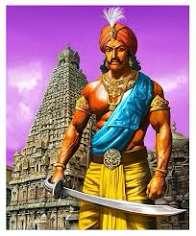
Thanjavur reached its historic zenith during the reign of Rajaraja Chola I, who made the city the capital of the Chola Empire. From here the Cholas administered a vast realm that extended across much of South India and beyond the seas.
The city became a centre of administration, temple patronage and artistic achievement. Inscriptions found across temples of the region reveal how deeply organised the Chola state was, with elaborate systems of land revenue, irrigation and temple endowments.
Even today the name Thanjavur evokes memories of imperial authority and cultural flourishing under the Cholas.
Periya Koil: Monument of the Cholas
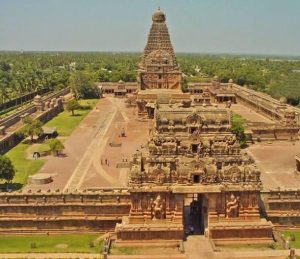
At the heart of the city stands the monumental Brihadisvara Temple, universally known as Periya Koil. Built by Rajaraja Chola I in the eleventh century, the temple remains one of the greatest achievements of Indian architecture.
The massive vimana rising above the sanctum dominates the skyline of Thanjavur. Within the temple complex lie grand corridors, sculpted pillars and inscriptions that narrate the history of the Chola state.
Yet Periya Koil is not merely an archaeological monument. It continues to function as a living temple where daily worship takes place, linking the present with a thousand years of sacred tradition.
Cauvery Delta: Rice Bowl of Tamil Nadu
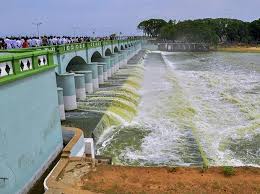
The prosperity of Thanjavur has always depended on the Cauvery River. Flowing through the fertile delta plains, the river sustains extensive irrigation networks that support paddy cultivation across the region.
For centuries the Cauvery’s canals and distributaries turned the Thanjavur plains into one of the most productive agricultural zones in South India. Even today the district is often described as the rice bowl of Tamil Nadu.
The agricultural wealth generated by the delta historically financed temples, learning institutions and royal administration.
Nayak and Maratha Influence
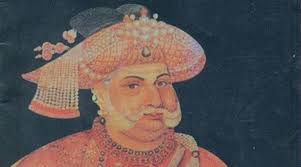
After the Cholas, Thanjavur continued to flourish under successive rulers. The Nayak dynasty expanded temple complexes and fortified the city.
Later the Maratha rulers of Thanjavur, particularly Serfoji II, made significant contributions to scholarship and education. Their patronage left enduring cultural institutions and archives that preserved manuscripts and historical records.
Thus the city accumulated layers of cultural influence across centuries.
Saraswathi Mahal Library
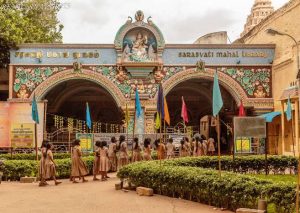
Among the most celebrated legacies of the Maratha era is the Saraswathi Mahal Library, one of the oldest manuscript libraries in India.
The library houses thousands of palm-leaf manuscripts covering subjects ranging from literature and philosophy to medicine and astronomy. Scholars from across the country have long regarded it as an invaluable repository of knowledge.
This institution reinforces Thanjavur’s reputation as a historic centre of learning.
Art, Music and Cultural Traditions
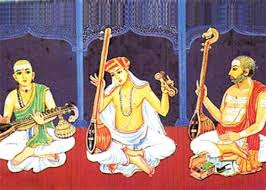
Thanjavur has also played a crucial role in shaping Tamil artistic traditions. The city gave its name to the famous Tanjore painting style characterised by rich colours and gold embellishments.
The region has long been associated with Carnatic music, classical dance and temple arts that flourished under royal patronage. Musicians, scholars and artisans found encouragement in the courts and temples of Thanjavur.
This cultural heritage continues to influence the artistic life of Tamil Nadu.
Modern City: Rail and Road Hub
Modern Thanjavur functions as a major administrative and commercial centre of the Cauvery delta. The Thanjavur railway junction connects the city to Tiruchirappalli, Chennai and the southern districts.
Road networks radiate outward linking the city to important temple towns and agricultural markets of the delta region. Colleges, hospitals, government offices and markets serve a large population drawn from surrounding villages.
Thus the city blends its historic character with the functions of a modern district headquarters.
Political Legacy
The Thanjavur region has produced several influential political figures. Among them was G. K. Moopanar, one of Tamil Nadu’s respected national leaders and a key figure in Indian parliamentary politics.
His political stature reflected the intellectual and civic traditions of the Cauvery delta, where public life has long been shaped by education, debate and cultural awareness.
Electoral Ledger
2011
Winner – M. Rengasamy (AIADMK) – 75,415 votes
Second – S. N. M. Ubayadullah (DMK) – 68,086 votes
Third – M. S. Ramalingam (BJP) – 1,901 votes
Winning Margin: 7,329 votes
2016
Winner – M. Rengasamy (AIADMK) – 1,01,362 votes
Second – Anjugam Boopathy (DMK) – 74,488 votes
Third – Ramalingam M S (BJP) – 3,806 votes
Winning Margin: 26874 votes
2021
Winner – T. K. G. Neelamegam (DMK) – 103772 votes
Second – V. Arivudainambi (AIADMK) – 56623 votes
Third – R. Subadevi (Naam Tamilar Katchi) – 17,366 votes
Winning Margin: 47149 votes
Civic Priorities
The residents of Thanjavur often highlight several development priorities:
• protection of Cauvery irrigation systems
• preservation of heritage monuments
• infrastructure for tourism and pilgrims
• urban civic improvements for the growing city
Balancing historical preservation with modern development remains a central concern.
Closing Frame
In Thanjavur the past is never distant. The Cauvery still nourishes fields that once funded empires, while the towering Periya Koil continues to command the skyline just as it did a millennium ago.
Temple bells, manuscript archives, paddy fields and railway tracks together define the city’s present.
When Thanjavur votes, it speaks with the voice of a historic capital whose legacy continues to shape the cultural and political imagination of Tamil Nadu.