
Tiruppur (South): Garment Capital’s Commercial Core and the Working Heart of India’s Knitwear City
 By Nandhini
- Tamil
- Hindi
- Malayalam
- Kannada
- Telugu

Constituency No. 114 | Tiruppur District | General
Tiruppur (South) represents the bustling commercial core of one of India’s most dynamic industrial cities. If Tiruppur is globally known as the knitwear capital, this constituency captures the intense daily rhythm of that identity — factory sirens, transport lorries, textile offices, migrant worker colonies and crowded trading streets. It is a seat where industry, labour and entrepreneurship interact every hour of the day.
Located within the rapidly expanding city of Tiruppur, the constituency reflects the full scale of the garment economy. From knitting machines and stitching floors to export documentation offices and freight depots, much of the city’s industrial pulse runs through neighbourhoods within Tiruppur (South). Thousands of small and medium garment units operate across the area, making the constituency an integral part of India’s textile export network.
Yet the constituency is not merely industrial space. Residential areas, markets, temples, schools and small commercial centres shape everyday urban life. Tiruppur (South) therefore represents the working heart of a city that built its reputation through enterprise, adaptability and relentless production.
The Garment Economy
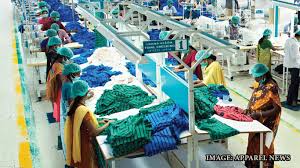
The defining feature of Tiruppur (South) is the garment industry. Knitwear manufacturing dominates the economic landscape, employing a vast workforce that includes local residents as well as migrants from various parts of India.
Production here follows a highly coordinated chain. Yarn from spinning mills is converted into knitted fabric, processed through dyeing units and finally stitched into garments destined for export markets. Buyers from international brands regularly interact with exporters in Tiruppur, placing orders that keep the city’s production cycle running year-round.
This industrial ecosystem supports thousands of entrepreneurs ranging from large exporters to small job-work units operating from modest workshops. For the constituency, the health of the garment sector determines employment levels, wage stability and commercial activity.
Global Trade and Tariff Pressures
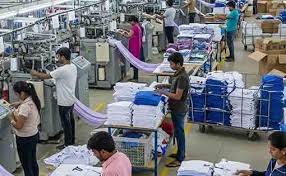
Because Tiruppur’s garments are exported widely, international trade conditions often influence the local economy. Changes in tariff regimes, currency fluctuations and shifts in consumer demand in overseas markets can affect order volumes and profit margins.
Entrepreneurs in Tiruppur constantly monitor such developments, adjusting pricing strategies and exploring new markets when necessary. Over the years the industry has built resilience by diversifying export destinations and improving manufacturing standards.
The constituency’s economic fortunes are therefore closely linked with the global textile trade.
Industrial Neighbourhoods and Urban Growth
Tiruppur (South) contains a mix of industrial clusters and residential localities. Garment units operate alongside homes, creating neighbourhoods where workspaces and living spaces coexist.
Transport vehicles carrying yarn, fabric and finished garments move constantly along city roads. Warehouses, freight operators and logistics centres have grown around these routes, reinforcing the city’s role as a textile export hub.
Rapid industrial expansion has also encouraged the development of apartment complexes, hostels and housing colonies for workers and families.
Water, Infrastructure and Environmental Concerns
Industrial growth has placed pressure on civic infrastructure. Water management remains a crucial concern because textile processing units require large quantities of water while residents depend on reliable drinking supplies.
Road maintenance, drainage systems and waste management are also significant issues in an expanding industrial city. Balancing economic activity with environmental sustainability continues to be a key challenge for the constituency.
Temples and Community Life
Despite its industrial intensity, Tiruppur retains strong cultural traditions. Temples dedicated to Shiva, Vishnu, Murugan and Amman are central to community life in many neighbourhoods.
Temple festivals often bring together workers, traders and residents, providing moments of collective celebration in a city otherwise defined by work schedules and factory routines.
These cultural traditions help sustain the social fabric of the constituency.
Markets and Commercial Streets
Retail trade thrives alongside the garment industry. Textile showrooms, jewellery shops, grocery markets and small eateries line many of the city’s busy streets.
Food stalls and messes serve the large working population, offering quick meals for factory workers and traders alike. The everyday commerce of Tiruppur (South) reflects the energy of a city where business rarely pauses.
Electoral Ledger
2011
Winner – K. Gunasekaran (AIADMK) – 85,783 votes
Second – S. Saminathan (DMK) – 72,129 votes
Third – R. Shanmugam (DMDK) – 21,206 votes
Winning Margin: 13,654 votes
2016
Winner – Gunasekaran S (AIADMK) – 73351 votes
Second – K. Selvaraj (DMK) – 57418 votes
Third – Thangavel K (CPM) – 13597 votes
Winning Margin: 15933 votes
2021
Winner – K. Selvaraj (DMK) – 75535 votes
Second – S. Gunasekaran (AIADMK) – 70826 votes
Third – Shanmugasundaram.K (Naam Tamilar Katchi) – 12,898 votes
Winning Margin: 4709 votes
The constituency often witnesses competitive contests between the Dravidian parties, reflecting the political importance of the Tiruppur industrial belt.
Civic Priorities
Residents and industry leaders frequently emphasise several development needs:
• sustaining the textile export economy
• improving urban roads and transport for industrial traffic
• strengthening water management and environmental safeguards
• expanding housing and civic amenities for workers
These concerns shape electoral debates in the constituency.
Closing Frame
Tiruppur (South) represents the relentless energy of a city built on textile enterprise. Garment units hum through the day, shipments leave for distant markets and workers from across India contribute to the city’s productivity.
Yet beneath the industrial scale lies a living community — temple streets, local markets, crowded homes and neighbourhood festivals.
When Tiruppur (South) votes, it speaks as the working heart of India’s knitwear capital — a constituency stitched together by industry, ambition and the everyday labour of thousands.