
Veerapandi: River Fields, Temple Traditions and the Agrarian Belt of Salem
 By Nandhini
- Tamil
- Hindi
- Malayalam
- Kannada
- Telugu
Constituency No. 91 | Salem District | General
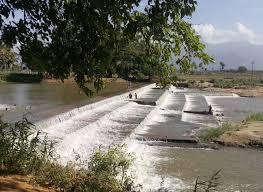
Veerapandi lies in the fertile agricultural belt of Salem district, where river-fed fields, temple towns and expanding rural settlements shape the landscape. Situated close to Salem city yet distinctly rural in character, the constituency represents a region where agriculture, small-scale commerce and traditional village life continue to define the rhythm of society.
The area draws much of its agricultural strength from the Tirumanimuthar river system and local irrigation channels, which nourish paddy fields and other crops across the countryside. Villages in the constituency are closely connected through farming networks, weekly markets and temple festivals that remain central to community life.
Veerapandi has also held importance in Salem district’s political history, producing influential leaders who have played significant roles in state politics. Because of its location near a major urban centre and its strong agrarian base, the constituency reflects a blend of rural priorities and regional political influence.
Agrarian Heart of Salem


Agriculture is the backbone of Veerapandi’s economy. Farmers cultivate paddy, sugarcane, turmeric, groundnut and vegetables, depending on irrigation availability and seasonal rainfall. The fertile plains around the constituency support multiple cropping cycles each year.
Agricultural markets and trading centres help farmers sell their produce to buyers from Salem city and neighbouring districts. The rural economy therefore remains closely tied to the productivity of its fields.
For generations, farming communities have shaped both the social structure and the political consciousness of the region.
Temple Traditions and Cultural Life
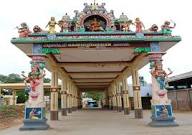
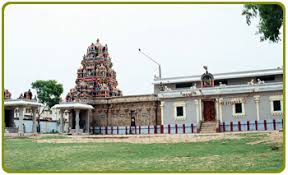
Veerapandi and its surrounding villages host numerous temples dedicated to Shiva, Vishnu, Amman and Murugan, alongside shrines to village guardian deities. Temple festivals remain important events that bring communities together.
Annual celebrations often include chariot processions, traditional music and communal feasts. These festivals not only preserve religious traditions but also strengthen social bonds within villages.
The cultural life of the constituency therefore revolves around temples and seasonal rituals.
Proximity to Salem City
One of the constituency’s advantages is its proximity to Salem city, one of the major urban centres of western Tamil Nadu. Residents of Veerapandi frequently travel to Salem for higher education, employment, healthcare and trade.
Road links connecting the villages to Salem city allow farmers to transport agricultural produce to urban markets. This connection has gradually integrated the rural economy of Veerapandi with the broader commercial activity of the region.
The result is a constituency that remains agricultural yet benefits from the economic pull of a nearby city.
Markets and Rural Commerce
Local town centres within the constituency serve as important commercial hubs. Grocery shops, agricultural supply stores, textile outlets and small eateries line the streets. Weekly markets attract traders from surrounding villages who bring vegetables, grains and livestock for sale.
Tea stalls and roadside restaurants also function as gathering places where residents discuss everyday affairs and local politics.
Such markets form the economic backbone of rural commerce in the constituency.
Road Networks and Connectivity
The constituency is connected by roads linking it with Salem city and neighbouring districts. Bus services allow residents to commute for work and education, while goods vehicles transport agricultural produce to regional markets.
Improving road infrastructure and public transport remains a continuing development priority for local residents.
Electoral Ledger
2011
Winner – S. K. Selvam (AIADMK) – 94,872 votes
Second – A. Rajendran (DMK) – 84,563 votes
Third – K. Manikandan (DMDK) – 18,214 votes
Winning Margin: 10,309 votes
2016
Winner – Manonmani P (AIADMK) – 94792 votes
Second – A. Rajendran (DMK) – 80311 votes
Third – Samraj A R B (PMK) – 17218 votes
Winning Margin: 14481 votes
2021
Winner – Rajamuthu M (ADMK) – 111682 votes
Second – Tharun A K (DMK) – 91787 votes
Third – Rajeshkumar S (Naam Tamilar Katchi) – 9806 votes
Winning Margin: 19895 votes
The constituency has witnessed intense contests between the Dravidian parties, reflecting the politically active electorate of the Salem region.
What Decides the Seat
Key factors shaping electoral outcomes include:
• irrigation and water availability for farmers
• agricultural pricing and crop support schemes
• infrastructure linking villages with Salem city
• employment opportunities for rural youth
• welfare programmes and housing schemes
These issues frequently dominate election campaigns in the constituency.
Closing Frame
Veerapandi is a constituency where fertile fields stretch toward the horizon while temple towers rise above village streets. Agriculture sustains the economy, markets bustle with rural trade and Salem city’s influence continues to shape local development.
It is a land rooted in farming yet connected to the wider pulse of western Tamil Nadu.
When Veerapandi votes, it speaks for the agrarian communities of Salem district — a region where the prosperity of the fields remains central to the voice of democracy.