

Chepauk–Thiruvallikeni: Where Power Walks to the Sea

- Tamil
- Hindi
- Malayalam
- Kannada
- Telugu

Constituency No. 20 | Chennai District | General
Chepauk–Thiruvallikeni is not merely an Assembly seat. It is a theatre. Here, history is not archived; it is inhabited. Temple bells ring within earshot of Assembly debates. Students cross arterial roads between lectures at one of India’s oldest universities.
Cricket roars rise from a stadium that has shaped sporting memory. And along the Marina, samadhis of towering leaders rest within walking distance of power corridors.
If Tamil Nadu politics has a ceremonial stage, this is it.
Temple Streets and Eternal Tide
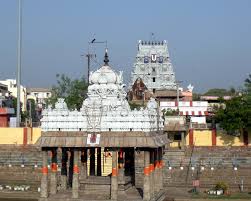
At the spiritual core of Thiruvallikeni stands the Parthasarathy Temple, one of the oldest Krishna temples in the city, dating back over a millennium. Its Mada streets remain dense with ritual, commerce and conversation. Devotees move in slow procession even as city traffic pulses beyond.
A short walk leads to the Marina Beach, where the Bay of Bengal meets public memory. The beachfront houses memorials of former Chief Ministers including M. Karunanidhi and J. Jayalalithaa — resting places that draw both pilgrims and party cadres.
In Chepauk, devotion and democracy share shoreline.
Assembly and Authority
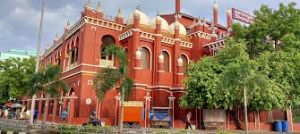
The historic Chepauk Palace, once home to the Nawabs of Arcot, and the nearby legislative complex area embed this constituency in administrative symbolism. Though the Secretariat now functions elsewhere, Chepauk retains its association with state authority.
Political leaders have treated this constituency not as routine ground, but as emblematic territory. Contesting here carries message beyond arithmetic.
This is where visibility matters.
University and Youth

The stately campus of the University of Madras stands within the constituency’s embrace. Established in 1857, it remains one of India’s oldest universities. Students, research scholars and faculty add intellectual current to the political atmosphere.
Young voters here are not peripheral. They are vocal. Employment, urban planning and cultural freedom resonate strongly in this segment.
Chepauk listens to youth conversations.
Cricket and Collective Memory

The iconic M. A. Chidambaram Stadium — Chepauk Stadium — has hosted historic Test matches and IPL clashes. Cricket crowds spill into surrounding streets, generating commerce and congestion alike.
Sporting pride is woven into local identity. On match days, the constituency feels festive; on polling days, it feels decisive.
Chepauk has witnessed centuries — in cricket and in politics.
The Electoral Ledger:
Chepauk–Thiruvallikeni’s recent contests underscore its high-profile nature.
2011
Winner: J. Anbazhagan (DMK) — 63,297 votes
Second: M. Thamizhmagan Hussain (AIADMK) — 55,478 votes
Third: S. Rajendran (DMDK) — 17,934 votes
Margin: 7,819 votes
2016
Winner: J. Anbazhagan (DMK) — 67982 votes
Second: A. Noorjahan (AIADMK) — 53818 votes
Third: APN Thamarai Gajendran (BJP) — 6281 votes
Margin: 14164 votes
2021
Winner: Udhayanidhi Stalin (DMK) — 93,285 votes
Second: Kassali A.V.A (PMK) — 23930 votes
Third: Jayasimmaraja S.M (Naam Tamilar Katchi) — 9,193 votes
Margin: 69,355 votes
A sweeping verdict that signalled generational transition within a high-visibility seat.
Chepauk does not produce quiet results. It produces statements.
Urban Density and Demands
This is one of Chennai’s densest constituencies. Narrow temple streets coexist with arterial beach roads. Heritage structures demand preservation. Flood mitigation along low-lying stretches remains crucial.
Fisher communities along the coast, middle-class apartment dwellers and long-settled families in Triplicane lanes form a complex social mosaic.
Urban governance here must be precise. Drainage failure or traffic mismanagement is immediately visible.
Cuisine and Culture
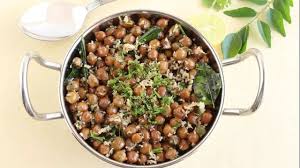
Thiruvallikeni’s culinary reputation is strong. Traditional messes serving South Indian meals, rose milk stalls, sundal vendors along Marina and longstanding vegetarian eateries define local taste.
The neighbourhood’s cultural life — from Carnatic concerts during Margazhi to political meetings — keeps public engagement constant.
Food and forum overlap seamlessly.
Symbolism and Stakes
Few constituencies carry such layered symbolism:
Temple tradition older than empire.
University scholarship shaping generations.
Stadium roars echoing through decades.
Memorials of leaders drawing daily homage.
To win Chepauk is to occupy narrative centre.
Margins here are not just numbers; they are messages.
What Decides Here
Three forces frame Chepauk’s electoral calculus:
Urban Governance Precision.
Drainage, heritage protection and traffic control matter intensely.
Leadership Visibility.
High-profile candidates elevate scrutiny.
Youth and Cultural Engagement.
Student and middle-class voters influence direction.
Chepauk is attentive. It rewards presence and performance.
Closing Frame
Temple bells sound at dawn. Waves roll onto Marina sands. Cricket cheers rise by afternoon. Political speeches echo by evening.
Chepauk–Thiruvallikeni stands where power walks to the sea and history walks beside it.
This constituency has hosted scholars, saints, sportsmen and statesmen. It has elected leaders and witnessed memorials.
When Chepauk votes, it does so under the gaze of temple towers and tidal horizon.
And in that gaze, mandate acquires meaning.