

Chidambaram: Where the Cosmos Dances and Politics Watches

- Tamil
- Hindi
- Malayalam
- Kannada
- Telugu
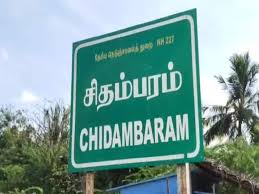
Constituency No. 159 | Cuddalore District | General
Chidambaram is not just a constituency. It is a cosmology. Here, architecture is theology. Sculpture is philosophy in stone. Ritual is geometry in motion. And beyond the temple walls, railway lines and highways carry pilgrims, students, traders and campaigners into a town that has shaped Tamil spiritual imagination for over a millennium.
If any constituency allows history to breathe through its streets, it is Chidambaram.
The Dance of the Divine
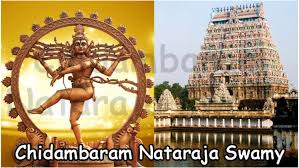
At the centre of Chidambaram stands the monumental Nataraja Temple, dedicated to Lord Shiva as Nataraja — the Cosmic Dancer. The temple complex, with its vast courtyards and intricately carved gopurams, is a masterwork of Chola architecture.
Unlike many temples, Chidambaram carries a philosophical distinction: the “Chidambara Rahasyam” — the worship of the formless divine represented by empty space within the sanctum. The sacred and the symbolic coexist.
Bronze iconography here influenced centuries of South Indian sculpture. The Nataraja form travelled across the world as an emblem of Indian metaphysics.
Chidambaram is not just sacred geography. It is civilisational statement.
Tank and Town
Adjacent to the temple lies the expansive Sivaganga tank — a temple water body that has long served ritual and practical purposes. During festivals, its steps fill with devotees. During monsoon, it reflects the towering gopurams.
Water management in delta districts remains central. Canal systems fed by the Cauvery influence agriculture in surrounding villages. Flood control and desilting are recurring civic concerns.
Chidambaram’s sacred water and agrarian water share equal importance.
Railway and Road Axis
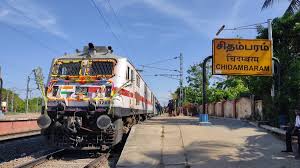
Chidambaram sits strategically along the Chennai–Tiruchirappalli railway line. The Chidambaram railway station connects the town to Chennai, Villupuram and southern districts. Pilgrim traffic surges during Arudra Darshan and major temple festivals.
The East Coast Road (ECR) corridor and National Highways enhance connectivity to Cuddalore and Nagapattinam. Bus networks link interior delta villages to the town centre.
Accessibility has sustained Chidambaram’s religious and commercial vitality.
University and Intellectual Current

The presence of Annamalai University adds academic dimension. Established in 1929, it remains one of Tamil Nadu’s significant higher education institutions, drawing students from across the state.
Student populations influence urban culture and electoral conversation. Education infrastructure, faculty appointments and campus administration periodically surface in public discourse.
Chidambaram balances ancient ritual with modern scholarship.
The Electoral Ledger:
Chidambaram’s recent elections reflect structured competition.
2011
Winner: K. Balakrishnan (CPI(M)) — 72,398 votes
Second: P. Saravanan (AIADMK) — 67,431 votes
Third: T. Arivuselvan (DMDK) — 21,874 votes
Margin: 4,967 votes
2016
Winner: K.A. Pandian (ADMK) — 58543 votes
Second: Senthil Kumar K.R (DMK) — 57037 votes
Third: Arul R (PMK) — 24226 votes
Margin: 1506 votes
2021
Winner: K.A. Pandian (ADMK) — 91961 votes
Second: S.Abdul Rahman (IUML) — 75,024 votes
Third: Natarajan Krishnamoorthy(Naam Tamilar Katchi) — 9071 votes
Margin: 16937 votes
The margin widened under consolidation.
Chidambaram stands out for sustained Left representation in recent cycles, reflecting a distinct local dynamic within the delta belt.
Religious and Social Balance
The temple administration, Dikshitar traditions and heritage preservation debates occasionally intersect with governance. Religious processions, festival logistics and crowd management require coordination.
The constituency also includes minority communities and agrarian populations, creating layered electoral arithmetic.
Alliance composition often determines margin width.
Agriculture and Delta Sensitivity
Delta constituencies are sensitive to water release schedules from upstream reservoirs. Paddy cultivation, procurement prices and cyclone preparedness remain core concerns.
Heavy monsoon years bring flood risk; weak monsoons threaten yield. Disaster management preparedness influences public perception.
Chidambaram’s electorate evaluates governance in water cycles.
Cuisine and Cultural Life
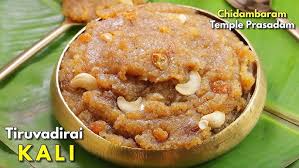
Temple prasadams, traditional sweets and vegetarian eateries around the temple streets define local flavour. The town’s cuisine reflects delta abundance — rice-heavy meals, brinjal gravies and festival offerings.
Cultural events during Margazhi and Arudra Darshan elevate public participation. Classical music and devotional recitations coexist with political meetings in nearby halls.
In Chidambaram, culture and campaign often share calendar.
What Decides Here
Three determinants shape Chidambaram’s electoral direction:
Water Governance.
Delta stability is paramount.
Heritage Management.
Temple administration and festival coordination matter.
Alliance Arithmetic.
Community consolidation shapes margins.
Chidambaram does not swing lightly. It recalibrates with deliberation.
Closing Frame
In the Nataraja temple, the cosmic dance unfolds within a ring of fire — motion contained within form. Outside, trains arrive, buses depart, students debate and farmers track canal flow.
Chidambaram stands where metaphysics meets mandate.
It is a constituency of sculpture and scholarship, of ritual and railway, of water and vote.
When Chidambaram casts its ballot, it does so under the gaze of the Cosmic Dancer — aware that history watches, and that movement, even political movement, must remain balanced.