
Harur: Hill Shadows, Rain-fed Fields and the Reserved Rural Pulse

- Tamil
- Hindi
- Malayalam
- Kannada
- Telugu
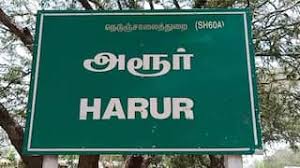
Constituency No. 61 | Dharmapuri District | Scheduled Caste (Reserved)
Harur sits in the eastern stretch of Dharmapuri district, not far from the undulating rise of the Eastern Ghats and the forested edges that mark Tamil Nadu’s interior highlands.
It is a constituency where rain-fed agriculture, tank irrigation and seasonal uncertainty shape daily life — and where representation carries distinct social weight.
Reserved for Scheduled Castes, Harur is rural in composition, measured in temperament and steady in electoral discipline.
Here, mandate moves with the monsoon wind.
Foothills and Rain-fed Reality
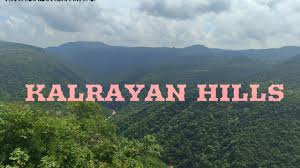
Harur lies close to the Sitheri and Kalrayan hill systems, where elevation shifts subtly across dry plains and wooded patches. Agriculture depends largely on seasonal rainfall, with paddy in irrigated pockets and millets, groundnut and tapioca in drier belts.
Tank restoration and borewell viability are constant political themes. When rains fail, migration increases. When tanks fill, optimism returns.
Water here is not policy rhetoric. It is survival arithmetic.
Temple Circuits and Village Ritual
Religious life revolves around Mariamman temples, Ayyanar shrines and Murugan sanctums scattered across villages. Fire-walking ceremonies and annual temple car festivals bind communities beyond caste lines.
Folk performances such as therukoothu and village drumming animate temple grounds during festival seasons. These events also become informal platforms for political engagement.
Harur’s cultural life is rural, rhythmic and participatory.
Agrarian Economy and Labour Patterns
The constituency’s economy rests largely on small and marginal farmers. Agricultural labour forms a significant portion of the workforce. Rural employment guarantee schemes and welfare distribution carry heightened relevance here.
Weekly markets trade vegetables, grains and livestock. Road access to Dharmapuri town shapes economic linkage and access to healthcare and education.
Mobility influences aspiration.
The Electoral Ledger:
Harur’s reserved status frames its contests within broader Dravidian bipolar patterns.
2011
Winner: P. Palaniappan (AIADMK) — 89,452 votes
Second: V. M. Anbazhagan (DMK) — 74,213 votes
Third: R. Kumar (DMDK) — 24,386 votes
Margin: 15,239 votes
2016
Winner: R.Murugan (AIADMK) — 64568 votes
Second: S.Rajendran (DMK) — 53147 votes
Third: K. Govindasamy (VCK) — 33632 votes
Margin: 11421 votes
2021
Winner: V. Sampath Kumar (AIADMK) — 99,061 votes
Second: Kumar A. (CPI(M)) — 68,699 votes
Third: Murugan R.(AMMK) — 14,327 votes
Margin: 30,362 votes
Alliance consolidation shifted the axis once more.
Harur’s electorate has not produced dramatic landslides, but margins reflect competitive discipline.
Reserved Mandate and Welfare Scrutiny
As a Scheduled Caste-reserved constituency, Harur’s voters scrutinise representation through:
Housing scheme allocation.
Scholarship access.
Rural employment opportunities.
Drinking water provision in marginalised hamlets.
Community leaders and self-help groups influence mobilisation significantly.
Representation here must be visible, not symbolic.
Roads, Health and Education
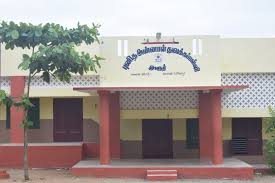
Interior villages depend on reliable road links to Dharmapuri and Salem. Public health infrastructure — especially primary health centres — carries electoral weight. School facilities and transport access for students remain recurring issues.
In drought-prone years, distress amplifies demands for intervention.
Governance here must be field-level and frequent.
Cuisine and Rural Simplicity
Harur’s culinary palette reflects agrarian practicality — ragi-based dishes, tamarind gravies and rice meals. Seasonal vegetables dominate weekly markets. Temple festival sweets mark agricultural cycles.
Food is modest and functional.
Political Temperament
Harur reflects the disciplined electoral pattern of Dharmapuri district. Booth-level mobilisation, caste arithmetic and alliance alignment determine margins. Voters value accessibility and grievance redressal over spectacle.
This is not a constituency swayed by grand rhetoric.
Harur weighs quietly.
What Decides Here
Three determinants shape Harur’s electoral trajectory:
Rainfall and Irrigation Stability.
Agrarian confidence drives turnout mood.
Welfare Delivery.
Reserved status heightens scrutiny.
Booth-Level Organisation.
Margins respond to disciplined mobilisation.
Harur adjusts cautiously rather than revolts abruptly.
Closing Frame
Dry fields stretch toward low hills. Temple drums echo under fading light. Buses depart toward Dharmapuri at dawn. Farmers gather beneath neem trees discussing rainfall prospects and election whispers.
Harur stands in the shadow of hills and the certainty of scrutiny — a constituency grounded in agrarian resilience and representational vigilance.
When it votes, it does so with measured clarity.
In Harur, mandate is earned season by season.