
Jayankondam: Chola Memory, Delta Fields and the Central Mandate

- Tamil
- Hindi
- Malayalam
- Kannada
- Telugu
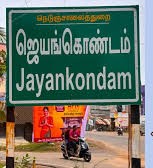
Constituency No. 150 | Ariyalur District | General
Jayankondam rests in the northern arc of Ariyalur district, within the cultural and irrigation shadow of the Cauvery delta. It is a constituency where Chola memory lingers in temple stone, where paddy fields stretch across canal-fed tracts and where electoral verdicts are shaped by agrarian confidence more than urban spectacle.
This is central Tamil Nadu — historically resonant, agriculturally rooted and politically disciplined.
In Jayankondam, mandate flows like canal water: deliberate, structured and season-bound.
Chola Legacy and Temple Landscape
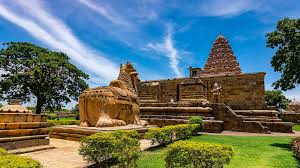
Jayankondam’s identity is inseparable from its proximity to the monumental Gangaikonda Cholapuram Temple, built by Rajendra Chola I in the 11th century. Though technically in a neighbouring village, its towering vimana and sculptural grandeur define the region’s historic imagination.
The temple, a UNESCO World Heritage Site as part of the Great Living Chola Temples, draws pilgrims and history enthusiasts alike. Annual festivals animate surrounding villages, blending devotional rhythm with local commerce.
Jayankondam’s political life unfolds beneath Chola stone.
Cauvery Canal and Paddy Arithmetic
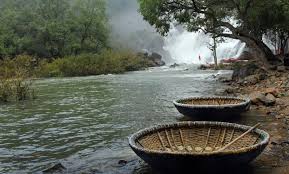
The constituency benefits from distributaries of the Cauvery irrigation system. Paddy cultivation dominates the agrarian economy, supplemented by sugarcane and pulses in some tracts. Tank restoration and canal maintenance are constant political themes.
Water release timing, desilting works and monsoon variability influence voter mood significantly. Farmers here assess governance through irrigation reliability.
In delta-adjacent constituencies, water is political weather.
Cement Belt and Industrial Touch
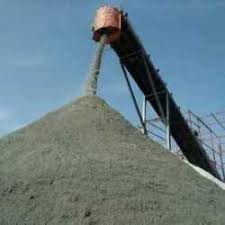
Ariyalur district is known for limestone reserves and cement industries. While major industrial clusters lie beyond the constituency’s core, Jayankondam feels the economic influence through employment and transport activity.
Heavy vehicle movement and road maintenance emerge as civic issues. Balancing industrial expansion with environmental management surfaces occasionally in local discourse.
Industry here supplements, not replaces, agriculture.
The Electoral Ledger:
Jayankondam has reflected structured bipolar contests.
2011
Winner: J. Guru alias Gurunathan (PMK) — 92,739 votes
Second: P. Elavazhagan (AIADMK) — 77,601 votes
Third: S. Krishnamoorthy (BJP) — 1,775 votes
Margin: 15,138 votes
2016
Winner: J. K. N. Ramajeyalingam (AIADMK) — 75,672 votes
Second: J. Guru alias Gurunathan (PMK) — 52,738 votes
Third: G. Rajendran (INC) — 46,868 votes
Margin: 22,934 votes
2021
Winner: Ka. So. Ka. Kannan (DMK) — 99,529 votes
Second: K. Balu (PMK) — 94,077 votes
Third: Neela Mahalingam (Naam Tamilar Katchi) — 9,956 votes
Margin: 5,452 votes
Alliance consolidation widened the gap.
Jayankondam’s electorate has not produced wild swings, but margins respond sensitively to coalition arithmetic.
Rural Connectivity and Civic Concerns
Primary issues include:
Canal desilting and tank maintenance.
Road relaying for heavy transport vehicles.
Drinking water supply in summer.
Agricultural procurement efficiency.
Public representatives are judged on field visits and irrigation follow-ups rather than Assembly speeches alone.
Delivery here must be agricultural and accessible.
Folk Traditions and Cultural Continuity
Temple festivals in villages across the constituency feature fire-walking, therukoothu and communal feasts. Pongal celebrations reinforce agrarian pride, with decorated cattle and rural games marking seasonal transitions.
Cultural continuity stabilises political competition.
Jayankondam’s rhythm is seasonal and shared.
Cuisine and Delta Palate
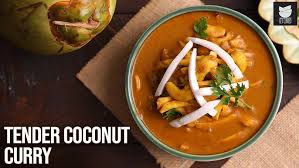
Rice-based meals dominate — sambar, tamarind gravies and coconut-infused curries reflecting delta influence. Festival sweets made from newly harvested paddy mark seasonal milestones.
Food here tastes of irrigation and harvest.
Political Temperament
Jayankondam reflects the disciplined electoral culture of central Tamil Nadu. Booth-level organisation, caste arithmetic and alliance clarity influence margins decisively.
This is not a constituency of abrupt revolt. It recalibrates within structure.
Jayankondam values continuity — but not complacency.
What Decides Here
Three determinants shape Jayankondam’s electoral trajectory:
Irrigation Reliability.
Paddy confidence drives sentiment.
Agricultural Procurement.
Price assurance influences mood.
Alliance Consolidation.
Margins widen under clear coalition lines.
Jayankondam does not drift; it evaluates carefully.
Closing Frame
The vimana of Gangaikonda Cholapuram rises against an open sky. Paddy fields shimmer under canal-fed sun. Temple drums echo at dusk. Farmers gather beneath banyan trees discussing water release schedules and election whispers.
Jayankondam stands at the confluence of Chola memory and Cauvery arithmetic — historic yet grounded, devotional yet pragmatic.
When it votes, it does so with the patience of irrigation cycles — measured, attentive and deliberate.
In Jayankondam, mandate flows steadily — season after season.