

Madurai West: Industrial Streets, Vaigai Bridges and the Modern Face of the Temple City

- Tamil
- Hindi
- Malayalam
- Kannada
- Telugu
Constituency No. 194 | Madurai District | General
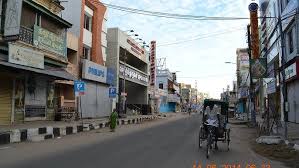
Madurai West represents the modern urban expansion of one of Tamil Nadu’s most historic cities. While the eastern and central parts of Madurai carry the dense sacred geography of temples and ancient markets, the western belt reflects the city’s transition into a contemporary regional hub — a landscape shaped by highways, industries, educational institutions and growing residential neighbourhoods.
Yet even here, the past never entirely disappears. The influence of the Pandya capital, the rhythms of temple festivals and the trade traditions of the city continue to shape everyday life. Madurai West therefore stands at the intersection of heritage and modern urban growth.
It is the constituency where Madurai’s ancient identity meets the demands of a twenty-first century city.
Western Expansion of the Temple City
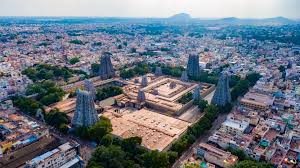
Madurai’s historic centre evolved around the Meenakshi temple and the concentric streets surrounding it. As the city grew during the twentieth century, expansion naturally moved outward toward the west and south where land was available for new neighbourhoods and institutions.
Madurai West emerged as one of the key zones absorbing this growth. Housing colonies, commercial establishments and educational campuses developed across the constituency as the population of the city increased.
This outward expansion transformed once semi-rural landscapes into busy urban neighbourhoods.
Madurai West today represents the living frontier of the city’s urban transformation.
Vaigai River and Urban Bridges
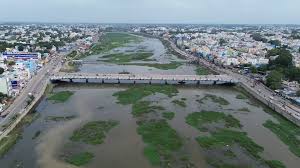
The Vaigai river continues to influence the geography of Madurai West. Bridges spanning the river link the western neighbourhoods with the historic city centre, enabling the constant movement of commuters, traders and students.
During the monsoon season the river fills with water flowing from the Western Ghats, reminding residents of the river’s historical role in sustaining the settlements of the region.
Though modern urbanisation has reshaped the riverbanks, the Vaigai remains a defining element of Madurai’s landscape.
The bridges across the river serve as vital arteries connecting the old city with its expanding suburbs.
Industrial and Commercial Activity
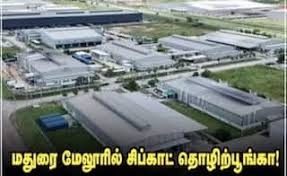
Madurai West hosts a range of small and medium industries that contribute to the economic life of the city. Workshops producing engineering components, textiles and construction materials operate alongside retail establishments and service businesses.
The presence of industrial clusters has generated employment opportunities for thousands of residents. Transport companies and warehouses located in the constituency support the movement of goods between Madurai and other districts.
Commercial activity continues to grow as the city expands westward.
Madurai West therefore plays an important role in sustaining the economic dynamism of the region.
Educational Institutions and Youth
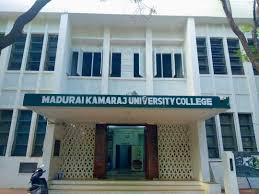
Another defining feature of the constituency is the presence of educational institutions that attract students from across southern Tamil Nadu. Colleges and training centres have developed in the western parts of the city where land availability allows the creation of large campuses.
These institutions contribute to the vibrant youth population of the constituency. Students living in hostels and residential areas bring energy and diversity to the neighbourhoods.
Education has thus become an important pillar of Madurai West’s social and economic life.
Temples and Cultural Continuity
Despite rapid urbanisation, religious traditions remain deeply embedded in the western neighbourhoods of Madurai. Numerous temples dedicated to Amman, Murugan and Vinayagar serve as centres of community activity.
Local festivals often involve colourful processions through residential streets accompanied by traditional music and devotional gatherings.
These celebrations reinforce the cultural identity of Madurai even as the city expands into new territories.
Faith continues to shape the social life of the constituency.
Cuisine and City Flavours
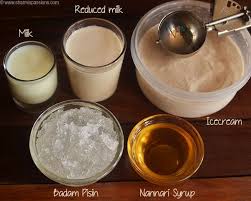
Madurai’s celebrated culinary traditions are equally present in the western parts of the city. Restaurants and roadside eateries serve dishes that have become synonymous with Madurai’s food culture.
Among the most famous is jigarthanda, a rich chilled drink prepared with milk, almond gum and ice cream. Equally popular are parotta-based meals, spicy gravies and traditional vegetarian dishes served in local kitchens.
Food culture here reflects the lively and welcoming character of Madurai.
The city’s cuisine remains one of its most enduring cultural expressions.
Electoral Ledger:
Madurai West has witnessed competitive electoral contests reflecting the broader political dynamics of the district.
2011
Winner: Sellur K. Raju (AIADMK) — 1,03,247 votes
Second: S. Thalapathi (DMK) — 79,316 votes
Third: R. Kumar (DMDK) — 27,842 votes
Margin: 23,931 votes
2016
Winner: Sellur K. Raju (AIADMK) — 82529 votes
Second: Thalapathi G (DMK) — 66131 votes
Third: Vasuki U (CPM) — 19991 votes
Margin: 16398 votes
2021
Winner: K. Raju (AIADMK) — 83,883 votes
Second: Chinnammal. C (DMK) — 74,762 votes
Third: Vetrikumaran. C (Naam Tamilar Katchi) — 18,224 votes
Margin: 9,121 votes
The seat has therefore seen both close contests and decisive victories depending on the political climate of the state.
Civic and Development Concerns
Residents frequently raise issues related to urban infrastructure and city planning:
traffic congestion along major roads
drainage systems during heavy rains
drinking water supply
expansion of public transport networks
As Madurai continues to grow, addressing these concerns becomes essential for maintaining quality of life.
Urban planning and infrastructure development therefore remain key political priorities.
Political Temperament
Madurai West’s electorate is diverse, consisting of traders, industrial workers, students, professionals and long-time residents of the city. Political mobilisation often occurs through neighbourhood associations, trade networks and educational institutions.
Campaigns frequently focus on development projects, employment opportunities and the improvement of civic amenities.
Voters in the constituency expect representatives who can balance heritage preservation with modern urban governance.
What Decides Madurai West
Three factors generally influence electoral outcomes in the constituency:
Urban development
Infrastructure and city planning directly affect daily life.
Economic growth
Industrial activity and business opportunities shape voter sentiment.
Educational influence
The presence of students and academic institutions creates a politically aware electorate.
Madurai West voters often weigh both economic prospects and governance performance when casting their ballots.
Closing Frame
As evening descends over the western skyline of Madurai, traffic flows steadily across the bridges of the Vaigai river. Students return from colleges, traders close their shops and neighbourhood temples prepare for evening prayers.
Madurai West reflects the living transformation of an ancient city adapting to modern times.
When Madurai West votes, the verdict carries the aspirations of a growing urban community that stands firmly rooted in the cultural legacy of Madurai.