

Natham: Hill Temples, Dryland Fields and the Strategic Heart of Dindigul’s Countryside
 By Nandhini
- Tamil
- Hindi
- Malayalam
- Kannada
- Telugu

Constituency No. 131 | Dindigul District | General
Natham lies in the rugged interior of Dindigul district, a constituency where rocky hills, dryland agriculture and ancient temple traditions shape the local landscape. Located between Madurai and Dindigul, the region forms part of the semi-arid belt of central Tamil Nadu where farming depends on rainfall, tanks and groundwater rather than perennial rivers.
Despite its rural character, Natham occupies an important geographic position. Roads from Madurai to the hill districts and interior parts of Dindigul pass through the region, making it a vital transport corridor connecting several parts of southern Tamil Nadu.
The constituency has also gained political prominence in recent decades due to the presence of influential leaders who built strong local support networks. In this way, Natham represents a typical southern Tamil Nadu rural seat — deeply rooted in agriculture, temple culture and personality-driven politics.
Hill Temples & Sacred Geography

The landscape around Natham is dotted with rocky hills that host several temples and shrines. These hill temples form an integral part of the region’s cultural life and attract devotees from surrounding villages.
Among the prominent shrines associated with the broader region is the Sendrayaperumal Temple, located atop a hill and visited by devotees seeking blessings for prosperity and protection.
Village temples dedicated to Amman, Murugan and local guardian deities are also common across the constituency. Annual temple festivals bring large gatherings of villagers and include traditional music, folk dances and community feasts.
These religious traditions remain central to the social life of the constituency.
Dryland Agriculture
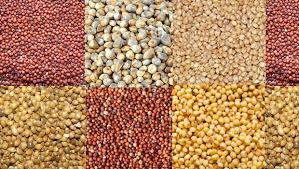
Agriculture in Natham reflects the realities of the semi-arid landscape of Dindigul district. Farmers cultivate crops suited to dry conditions such as millets, pulses, groundnut and cotton, depending largely on seasonal rainfall.
Traditional irrigation tanks scattered across the region store monsoon water that supports cultivation during dry months. Farmers also rely on bore wells and groundwater to irrigate their fields.
Livestock rearing, particularly goats and cattle, supplements agricultural income for many families.
The rural economy of Natham therefore depends on a careful balance between rainfall, groundwater resources and traditional farming practices.
Village Markets & Rural Trade
Weekly markets play an important role in the economic life of the constituency. Farmers bring agricultural produce, livestock and household goods to these markets, where traders from nearby towns purchase them for distribution.
Local trade networks connect the villages of Natham with larger markets in Madurai, Dindigul and nearby towns. Agricultural produce such as vegetables, grains and pulses moves through these trading routes.
Small shops, rice mills and agricultural service centres support the rural economy.
Thus the constituency’s economic structure remains closely tied to agriculture and local trade.
Transport & Strategic Location
Natham’s location between Madurai and Dindigul gives it strategic importance in the regional road network. Highways and district roads passing through the constituency carry goods and passengers between southern Tamil Nadu’s major towns.
These routes enable farmers and traders to transport produce to larger markets while providing residents access to educational institutions and hospitals in nearby cities.
Improving road infrastructure continues to be an important development priority for the region.
Political Significance
Natham has gained considerable political visibility due to the influence of prominent leaders associated with the constituency. Local leadership has played a significant role in shaping electoral outcomes over the years.
Political mobilisation often occurs through village networks, community organisations and agricultural groups.
Campaigns frequently focus on irrigation support, rural infrastructure and employment opportunities.
Electoral Ledger:
2011
Winner — R. Viswanathan (AIADMK) — 94,975 votes
Runner-up — K. A. Ganesan (DMK) — 76,345 votes
Third — S. Shanmugam (DMDK) — 23,874 votes
Winning Margin — 18,630 votes
2016
Winner — Andi Ambalam M A (DMK) — 93822 votes
Runner-up — Shajahan S (ADMK) — 91712 votes
Third — Karthikeyan G (DMDK) — 9373 votes
Winning Margin — 2110 votes
2021
Winner — R. Viswanathan (AIADMK) — 107762 votes
Runner-up — M. A. Andi Ambalam (DMK) — 95830 votes
Third — Dr. V. Sivasankaran (Naam Tamilar Katchi) — 14762 votes
Winning Margin — 11932 votes
The constituency’s electoral pattern shows the influence of strong personalities as well as broader shifts in political alliances.
Civic & Development Concerns
Residents frequently highlight several development priorities:
improved irrigation systems and water management
better rural roads and transport connectivity
employment opportunities for young people
expansion of educational and healthcare facilities
Water scarcity remains the most pressing concern for many farming communities.
Political Temperament
The electorate of Natham includes farmers, agricultural labourers, traders and small business owners. Political mobilisation often occurs through village networks and farming communities.
Candidates who demonstrate strong local connections and accessibility often gain significant support in the constituency.
Agriculture and rural welfare therefore remain central themes in election campaigns.
What Decides Natham
Three factors usually influence electoral outcomes here:
Agricultural livelihood
Farmers depend heavily on rainfall and irrigation tanks.
Local leadership
Strong personalities often shape political alignments.
Infrastructure development
Roads, water supply and employment opportunities matter to voters.
Natham voters therefore balance traditional loyalties with expectations of development.
Closing Frame
Across the rocky hills and dry plains of Natham, farmers cultivate crops under the watch of hilltop temples and village shrines. Markets bustle with trade while buses carry travellers toward Madurai and Dindigul.
The constituency stands as a resilient rural landscape where faith, farming and local leadership intertwine.
When Natham votes, the verdict reflects the voice of a countryside shaped by tradition, perseverance and the enduring rhythms of dryland agriculture.