
Omalur: Fort Echoes, Shevaroy Foothills and the Agrarian Gateway of Salem
 By Nandhini
- Tamil
- Hindi
- Malayalam
- Kannada
- Telugu
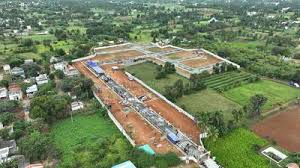
Constituency No. 84 | Salem District | General
Omalur stands on the north-western edge of Salem city, a constituency where old fort history, fertile agricultural plains and expanding transport corridors converge. Though overshadowed at times by the industrial and urban growth of nearby Salem, Omalur carries its own historical and geographical significance.
Situated near the foothills of the Shevaroy (Servarayan) hills, the constituency forms a transitional landscape between the rocky uplands of the Eastern Ghats and the agricultural plains of Salem district. Villages across the constituency cultivate crops while highways and trade routes link the area with neighbouring districts.
The town of Omalur itself carries traces of an earlier political era, when local chieftains and regional powers controlled strategic routes through the Salem region. Today the constituency balances that historical legacy with the practical concerns of farming communities and growing suburban expansion.
Omalur Fort & Historical Legacy
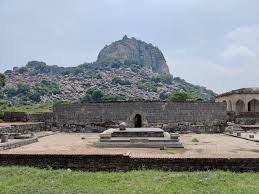
One of the most notable historical landmarks of the region is the Omalur Fort, a structure associated with the Nayak and later regional rulers who controlled parts of the Salem region.
Though much of the fort now stands in partial ruins, its remains still reflect the strategic importance the area once held. The fort historically guarded routes connecting the interior plains with the hill regions and neighbouring districts.
Local traditions and historical accounts link the fort to the turbulent political period when various dynasties and chieftains competed for control over the Salem region.
Thus Omalur retains echoes of a time when fortifications and military outposts shaped regional politics.
Shevaroy Hills & Scenic Landscape
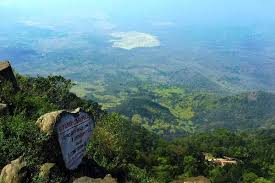
Omalur lies close to the Shevaroy Hills, the hill range that rises toward the popular hill station of Yercaud. These hills influence the climate and ecology of the surrounding region.
The slopes of the hills support coffee plantations, fruit orchards and forest vegetation, while the plains below host agricultural fields and settlements.
Roads connecting Salem with Yercaud pass through parts of the constituency, bringing travellers and tourists toward the hill station.
The presence of the hills adds a scenic dimension to the otherwise agricultural landscape of Omalur.
Agriculture & Rural Economy

Agriculture remains a major livelihood in the constituency. Farmers cultivate crops such as paddy, tapioca, groundnut and millets depending on irrigation availability and rainfall patterns.
Banana and vegetable cultivation also occur in some pockets of the constituency. Local markets enable farmers to sell produce to traders who transport goods to nearby towns and cities.
Livestock rearing, including cattle and goats, supplements the income of many rural households.
The agricultural economy therefore continues to shape the livelihood patterns of the region.
Temples & Village Traditions
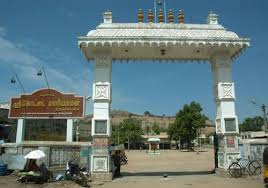
Religious traditions form an important part of Omalur’s cultural life. The constituency hosts numerous temples dedicated to Shiva, Amman and Murugan across its villages.
One of the notable shrines in the area is the Kottai Mariamman Temple Omalur, where annual festivals attract devotees from surrounding towns and villages.
Village Amman festivals remain vibrant cultural events featuring processions, traditional music and communal celebrations.
These festivals strengthen social bonds across communities and reflect the enduring spiritual traditions of the Salem countryside.
Transport & Regional Link
Omalur’s proximity to Salem city makes it an important transport junction. Highways connecting Salem with Dharmapuri, Krishnagiri and Bengaluru pass through or near the constituency.
Goods vehicles carrying agricultural produce and industrial products move regularly along these routes. The region’s connectivity has therefore supported trade and economic activity.
Improved road infrastructure has also encouraged residential expansion in areas closer to Salem city.
Electoral Ledger:
2011
Winner — P. Vetrivel (AIADMK) — 95,812 votes
Runner-up — S. Raja (DMK) — 76,543 votes
Third — R. Ramesh (DMDK) — 23,671 votes
Winning Margin — 19,269 votes
2016
Winner — Vetrivel S (AIADMK) — 89169 votes
Runner-up — Ammasi. S (DMK) — 69213 votes
Third — Tamilarasu A (PMK) — 48721 votes
Winning Margin — 19956 votes
2021
Winner — R. Mani (DMK) — 142488 votes
Runner-up — Rangarajan mohan kumaramangalam (INC) — 87194 votes
Third — A.Raja(Naam Tamilar Katchi) — 9416votes
Winning Margin — 55,294 votes
The constituency has seen competitive contests reflecting the political dynamics of the Salem region.
Civic and Development Concerns
Residents frequently highlight several development priorities:
irrigation support for agriculture
improved rural roads and transport links
employment opportunities for youth
infrastructure development as Salem expands outward
Balancing rural development with suburban growth remains a key issue for the constituency.
Political Temperament
The electorate of Omalur includes farmers, traders, transport workers and small business owners. Political mobilisation often occurs through village networks and local leadership.
Election campaigns frequently focus on agricultural welfare, road infrastructure and employment generation.
The constituency’s proximity to Salem city also means that urban development issues sometimes influence voter sentiment.
What Decides Omalur
Three factors often shape electoral outcomes here:
Agricultural livelihood
Farmers remain a crucial voting bloc.
Transport and trade
Highway connectivity influences economic prospects.
Local leadership
Grassroots networks often determine political mobilisation.
Omalur voters therefore balance rural concerns with expectations of development linked to nearby Salem.
Closing Frame
Across the plains of Omalur, farmers cultivate fields beneath the shadow of the Shevaroy hills while travellers move along highways linking Salem to the wider region. Temple festivals bring villages together as the rhythms of rural life continue.
The constituency stands as a quiet but important gateway between the hills and the plains.
When Omalur votes, the verdict reflects the voice of a region where history, agriculture and emerging urban influence shape the political landscape.