

Ottapidaram: V.O. Chidambaranar’s Homeland, Freedom Memory and the Dry Plains of Thoothukudi
 By Nandhini
- Tamil
- Hindi
- Malayalam
- Kannada
- Telugu
Constituency No. 217 | Thoothukudi District | Reserved (SC)
Ottapidaram occupies a special place in Tamil Nadu’s political and historical imagination. Located in the dry plains of Thoothukudi district, the constituency is best known as the birthplace of one of India’s most celebrated freedom fighters — V. O. Chidambaram Pillai, remembered across the country as “Kappalottiya Tamizhan.”
The region may appear quiet and rural today, but its association with the nationalist struggle gives it a distinctive place in the political history of Tamil Nadu. The story of V.O.C., who challenged British maritime dominance by launching an Indian shipping company in the early twentieth century, continues to inspire local pride.
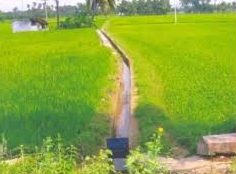
Geographically, Ottapidaram lies between the coastal industrial belt of Thoothukudi and the dry inland plains that stretch toward Tirunelveli. Agriculture, small trade and rural livelihoods define everyday life here, while the memory of the freedom movement remains a powerful cultural marker.
Birthplace of a Freedom Icon
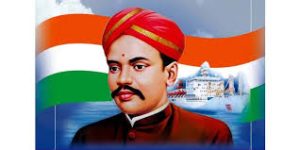

Ottapidaram is inseparably linked to the life of V.O. Chidambaram Pillai, one of the leading figures of India’s freedom movement in the early 1900s. Born in the town, he became famous for launching the Swadeshi Steam Navigation Company to challenge British shipping interests operating between Tuticorin and Colombo.
His bold move brought him into direct confrontation with colonial authorities, leading to imprisonment and harsh punishment. Yet his defiance turned him into a symbol of nationalist resistance in Tamil Nadu.
The town honours his legacy through memorials and public institutions that keep alive the memory of his role in India’s struggle for independence.
Ottapidaram therefore carries the distinction of being the birthplace of a figure who challenged colonial economic power on the seas.
Dryland Agriculture
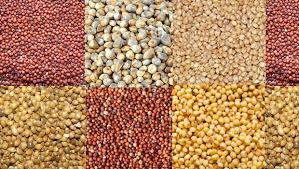
The landscape surrounding Ottapidaram reflects the semi-arid conditions of southern Tamil Nadu. Agriculture here depends largely on rainfall, irrigation tanks and groundwater.
Farmers cultivate crops such as millets, cotton, pulses and groundnut, which are well suited to the dry climate of the region. Seasonal rains determine the success of cultivation, making water management a constant concern.
Livestock rearing also plays a significant role in rural livelihoods, particularly goat and cattle farming.
Despite the challenging climate, farmers have adapted their practices to sustain agricultural production across the constituency.
Temples and Local Traditions
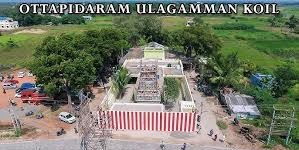
Religious traditions remain deeply embedded in the villages of Ottapidaram. Numerous temples dedicated to Amman, Murugan and Shiva stand across the countryside.
One of the prominent shrines in the region is the Sri Ulagamman Temple, where devotees gather during annual festivals.
Village Amman festivals form vibrant cultural events featuring processions, music and traditional folk performances. These celebrations bring together residents from neighbouring villages and reinforce long-standing community bonds.
Religion therefore continues to play a significant role in shaping the social life of the constituency.
Proximity to Thoothukudi Port
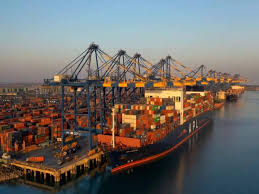
Ottapidaram lies relatively close to the major port city of Thoothukudi, one of Tamil Nadu’s key maritime gateways. The port’s industrial activities and shipping operations influence the economic life of the surrounding region.
Goods transported through the port often move along road networks passing through nearby inland constituencies such as Ottapidaram. This proximity has encouraged trade and transport activity in the region.
While the constituency itself remains largely rural, the presence of the port nearby adds an important economic dimension.
Village Markets and Rural Economy
Weekly markets serve as important trading centres for farmers and traders in the constituency. Agricultural produce, livestock and household goods are exchanged in these markets, sustaining the local economy.
Small shops, agricultural supply centres and rice mills support the farming communities of the region.
Though modest in scale, this network of rural trade plays a crucial role in the livelihoods of residents.
Electoral Ledger:
2011
Winner — S. Sundararaj (AIADMK) — 89,460 votes
Runner-up — K. Krishnasamy (PT) — 74,236 votes
Third — R. Rajendran (DMDK) — 21,874 votes
Winning Margin — 15,224 votes
2016
Winner — R. Sundararaj (AIADMK) — 65071 votes
Runner-up — Dr.Krishnasamy K (PT) — 64578 votes
Third — Arumuga nainar S (DMDK) — 14127 votes
Winning Margin — 493 votes
2021
Winner — M. C. Shunmugaiah (DMK) — 73,110 votes
Runner-up — Mohan. P (AIADMK) — 64600 votes
Third — Vaikundamari . M (Naam Tamilar Katchi) — 22413 votes
Winning Margin — 8,510 votes
The constituency has witnessed competitive elections reflecting the broader political dynamics of the Thoothukudi region.
Civic and Development Concerns
Residents frequently highlight several development priorities:
improved irrigation and water management
rural road infrastructure
employment opportunities for young people
expansion of educational and healthcare facilities
Water scarcity remains a major concern in many villages across the constituency.
Political Temperament
The electorate of Ottapidaram includes farmers, agricultural labourers, traders and workers connected to nearby towns. Political mobilisation often occurs through village networks and community organisations.
Election campaigns frequently emphasise agricultural support policies, rural development and infrastructure improvements.
The legacy of V.O. Chidambaram Pillai also remains a powerful symbol invoked during political events.
What Decides Ottapidaram
Three factors usually shape electoral outcomes here:
Agricultural livelihood
Farmers form a major voting bloc.
Rural development
Infrastructure and water management influence voter priorities.
Historical pride
The legacy of V.O.C. continues to inspire local identity.
Ottapidaram voters therefore balance development needs with a strong sense of historical heritage.
Closing Frame
Across the dry plains of Ottapidaram, farmers tend their fields while village temples ring with evening prayers. In the town centre, the memory of V.O. Chidambaram Pillai reminds residents of a time when courage challenged colonial power.
The constituency stands as a landscape of resilience — shaped by dryland farming, freedom movement memory and the enduring spirit of its people.
When Ottapidaram votes, the verdict reflects the voice of a region that honours its past while navigating the challenges of the present.