
Palladam: Textile Corridors, Windmills and the Industrial Plains of Tiruppur
 By Nandhini
- Tamil
- Hindi
- Malayalam
- Kannada
- Telugu
Constituency No. 115 | Tiruppur District | General
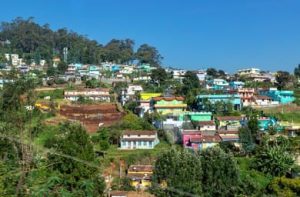
Palladam stands in the rapidly industrialising belt of western Tamil Nadu, a constituency where agriculture, textiles and modern industry intersect. Located in Tiruppur district between Coimbatore and the textile capital of Tiruppur, the region reflects the transformation of the Kongu belt from traditional farming communities into one of India’s most vibrant manufacturing zones.
Though once primarily agrarian, Palladam today lies along important industrial corridors feeding the garment and textile export economy of Tiruppur. Power looms, knitting units, engineering workshops and logistics businesses operate across the constituency, supported by highways connecting the region to Coimbatore, Erode and other industrial centres.
Yet the landscape still retains traces of its rural past. Fields, irrigation tanks and village temples continue to coexist alongside factories, warehouses and rows of wind turbines spinning across the plains.
Palladam therefore represents the dynamic blend of agriculture and industry that characterises the Kongu region.
Textile and Industrial Belt
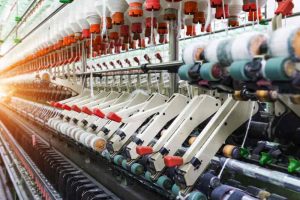
Palladam lies within the economic orbit of Tiruppur, widely known as India’s knitwear capital. Thousands of small and medium enterprises involved in textile production operate in the surrounding areas.
Garment units, dyeing facilities and ancillary industries provide employment to workers from across Tamil Nadu and neighbouring states. Goods manufactured in the region are exported worldwide, making the textile industry a major economic driver.
Industrial estates and logistics centres have gradually expanded across the Palladam region, reinforcing its position within the broader Tiruppur–Coimbatore manufacturing corridor.
Windmills and the Kongu Landscape
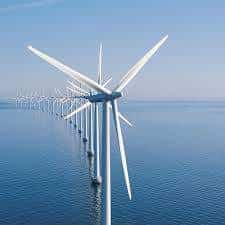
The open plains around Palladam are dotted with large wind turbines, reflecting Tamil Nadu’s leadership in wind energy production. Strong winds sweeping across the region make it an ideal location for wind power generation.
Rows of turbines spinning across the landscape have become a familiar sight in the countryside, symbolising the transition of the Kongu belt toward modern energy infrastructure.
Wind power projects provide both electricity and employment opportunities in the region.
Agriculture and Rural Economy

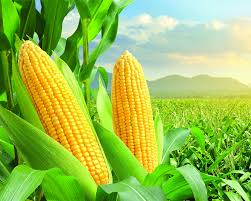
Despite industrial expansion, agriculture continues to support many families in the constituency. Farmers cultivate crops such as coconut, maize, groundnut and cotton depending on irrigation availability.
Livestock rearing, particularly dairy farming, also contributes to the rural economy. Milk cooperatives and cattle farms are common across the villages surrounding Palladam.
This blend of farming and industry gives the constituency a diverse economic base.
Temples and Cultural Traditions
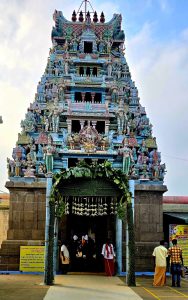
Village temples remain central to the cultural life of Palladam. Shrines dedicated to Amman, Murugan and Shiva are spread across the countryside.
One of the prominent temples in the region is the Kariyakal Amman Temple Palladam, where annual festivals attract devotees from neighbouring towns and villages.
Temple festivals often include processions, folk music and community gatherings that preserve traditional Kongu cultural practices.
Even as industry grows, these temple traditions continue to anchor local identity.
Roads and Trade Corridors
Palladam’s location along major road networks linking Coimbatore, Tiruppur and Pollachi has played a crucial role in its economic development. Highways carry goods produced in textile factories to ports and markets across India.
Transport companies, warehouses and logistics businesses operate along these routes, supporting the export-oriented industries of the region.
The road network therefore forms the backbone of Palladam’s industrial economy.
Electoral Ledger:
2011
Winner — C. R. Ponnusamy (AIADMK) — 1,02,874 votes
Runner-up — S. K. Selvaraj (DMK) — 78,649 votes
Third — K. M. Balu (DMDK) — 28,514 votes
Winning Margin — 24,225 votes
2016
Winner — Natarajan A (ADMK) — 111866 votes
Runner-up — Krishnamoorthy S (DMK) — 79692 votes
Third — Muthurathinam K (MDMK) — 14841 votes
Winning Margin — 32174 votes
2021
Winner — M. S. M. Anandan (AIADMK) — 1,26,903 votes
Runner-up —Muthurathinam K (DMK) with 94,212 votes
Third — Subramanian S (Naam Tamilar Katchi – NTK) with 20,524 votes
Winning Margin — 32,691 votes.
Electoral contests often reflect the broader political dynamics of the Kongu belt.
Civic and Development Concerns
Residents frequently highlight several key issues:
infrastructure to support growing industries
water supply for both agriculture and factories
road expansion and traffic management
employment opportunities for youth
Balancing industrial growth with environmental sustainability remains an ongoing challenge.
Political Temperament
The electorate of Palladam includes industrial workers, entrepreneurs, farmers and transport operators. Political mobilisation often reflects the concerns of both industry and agriculture.
Election campaigns frequently emphasise economic development, infrastructure expansion and employment generation.
The presence of a strong entrepreneurial community also shapes the political discourse of the constituency.
What Decides Palladam
Three factors usually influence electoral outcomes here:
Industrial economy
Textile and manufacturing sectors shape voter expectations.
Agricultural livelihood
Farmers remain an important voting bloc.
Infrastructure development
Roads, power supply and water resources influence public sentiment.
Palladam voters therefore balance industrial progress with rural concerns.
Closing Frame
Across the plains of Palladam, wind turbines spin above fields where farmers cultivate crops while nearby factories hum with industrial activity. Trucks loaded with textiles travel along highways connecting the region to global markets.
The constituency stands at the crossroads of agriculture and industry.
When Palladam votes, the verdict reflects the voice of a region where entrepreneurial energy and rural traditions together shape the future of the Kongu belt.