
Radhapuram: Windmills, Sacred Shores and the Southern Frontier of Tirunelveli
 By Nandhini
- Tamil
- Hindi
- Malayalam
- Kannada
- Telugu
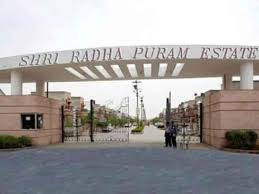
Constituency No. 228 | Tirunelveli District | General
Radhapuram lies in the southern reaches of Tirunelveli district, close to the tip of the Indian peninsula where the land begins to feel the influence of both the Western Ghats and the Arabian Sea winds sweeping across the plains. The constituency forms part of the region that links Tirunelveli district with the coastal and border areas near Kanyakumari.
Historically a quiet agrarian landscape dotted with temples and small villages, Radhapuram has gained new prominence in recent decades due to the development of major energy projects and wind power installations across the surrounding plains. Towering windmills now rise across the countryside, transforming the skyline of what was once a purely rural region.
The constituency therefore represents an interesting contrast: ancient temple traditions, agricultural villages and modern energy infrastructure coexisting within the same landscape.
Land of Windmills
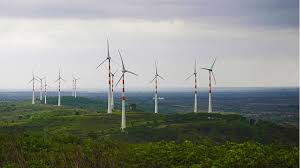
One of the most striking features of the Radhapuram region is the presence of extensive wind energy farms. The strong winds that sweep across the plains from the Western Ghats make the region ideal for wind power generation.
Hundreds of wind turbines stand across the countryside, producing electricity that feeds into Tamil Nadu’s power grid. These wind farms have transformed the local economy by creating employment and attracting infrastructure investment.
The wind energy sector has also made the region one of the most important renewable energy corridors in southern Tamil Nadu.
Agriculture in a Dry Landscape
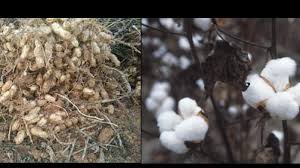
Despite the growth of energy infrastructure, agriculture continues to sustain many rural communities in the constituency. Farmers cultivate crops such as millets, pulses, groundnut and cotton depending on rainfall and irrigation availability.
The region’s semi-arid climate requires careful management of water resources. Irrigation tanks and wells provide vital support for cultivation during dry seasons.
Livestock rearing, particularly goats and cattle, also contributes to rural livelihoods.
This combination of farming and livestock activity remains central to the local economy.
Temple Traditions of the South
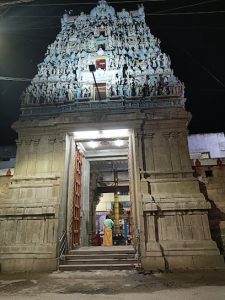
The villages surrounding Radhapuram are home to numerous temples dedicated to Shiva, Murugan and Amman. These shrines form the spiritual backbone of rural communities.
Among the important temples in the region is the Radhapuram Varadaraja Perumal Temple, which attracts devotees from nearby villages during festival seasons.
Amman festivals held in village temples bring together large gatherings with processions, traditional music and communal celebrations.
These temple traditions continue to play a vital role in maintaining cultural continuity across generations.
Proximity to Sacred Shores
Radhapuram lies not far from the famous pilgrimage routes leading toward the coastal shrine of Tiruchendur Murugan Temple, one of the revered Arupadai Veedu temples dedicated to Lord Murugan.
Pilgrims travelling toward Tiruchendur often pass through parts of the region, reinforcing the religious connections between inland villages and coastal temples.
The proximity to such sacred sites adds spiritual significance to the constituency.
Energy Projects and Modern Development
The Radhapuram region has also attracted national attention due to the presence of major energy infrastructure nearby, including large-scale power generation facilities.
These projects have generated both employment opportunities and debates about environmental impact and development priorities.
The emergence of such infrastructure reflects the broader transformation of southern Tamil Nadu’s energy landscape.
Markets and Local Economy
The town of Radhapuram functions as a trading centre where agricultural produce from surrounding villages is bought and sold. Weekly markets attract farmers, traders and residents from nearby settlements.
Small businesses, shops and service establishments support the local economy.
Road connections link the constituency with Tirunelveli city and neighbouring districts, facilitating the movement of goods and people.
Electoral Ledger:
2011
Winner — M. Appavu (DMK) — 71,456 votes
Runner-up — S. S. Sundararaj (AIADMK) — 69,278 votes
Third — V. Selvaraj (DMDK) — 19,684 votes
Winning Margin — 2,178 votes
2016
Winner — I. S. Inbadurai (AIADMK) — 69590 votes
Runner-up — M. Appavu (DMK) — 69541 votes
Third — S.Kaniamudha (BJP) — 11131 votes
Winning Margin — 49 votes
2021
Winner — M. Appavu (DMK) — 82.331 votes
Runner-up — I. S. Inbadurai (AIADMK) — 76,406 votes
Third — R.Jesu dasan (Naam Tamilar Katchi) — 19371 votes
Winning Margin — 5,925 votes
Electoral contests in the constituency often reflect the broader political trends of southern Tamil Nadu.
Civic and Development Concerns
Residents frequently highlight several priorities:
improved irrigation and water conservation
development of road infrastructure
employment opportunities linked to energy projects
support for farmers in dryland agriculture
Balancing industrial development with agricultural sustainability remains an important issue.
Political Temperament
The electorate consists largely of farmers, agricultural labourers, small traders and workers employed in energy projects and nearby towns.
Political mobilisation often takes place through village networks and community organisations.
Campaigns typically focus on agricultural welfare, infrastructure development and employment opportunities.
What Decides Radhapuram
Three factors often shape electoral outcomes:
Agricultural livelihood
Dryland farmers remain a major voting bloc.
Energy infrastructure
Power projects and wind farms influence development debates.
Rural infrastructure
Roads, water supply and employment opportunities matter to voters.
Radhapuram voters therefore weigh economic development alongside rural welfare.
Closing Frame
Across the plains of Radhapuram, rows of wind turbines turn steadily against the southern sky while farmers cultivate fields beneath the distant silhouette of the Western Ghats. Temple festivals fill village streets with colour even as modern energy projects reshape the landscape.
The constituency stands at the crossroads of tradition and transformation.
When Radhapuram votes, it speaks for a region where ancient rural life and modern power generation now share the same horizon.