
Rajapalayam: Mills, Mango Groves and the Land of the Famous Hound
 By Nandhini
- Tamil
- Hindi
- Malayalam
- Kannada
- Telugu
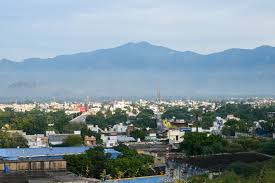
Constituency No. 202 | Virudhunagar District | General
Rajapalayam stands in the southwestern corner of Virudhunagar district where the plains meet the towering slopes of the Western Ghats. The town has long been known as an industrious centre combining agriculture, textile production and trade. Yet Rajapalayam carries a distinction few places in India can claim — it gave its name to one of the country’s most famous indigenous dog breeds.
Historically the town grew under the patronage of local rulers and merchant communities who developed it into a thriving settlement. With the arrival of textile mills and commercial enterprises during the twentieth century, Rajapalayam expanded into an important industrial centre of southern Tamil Nadu.
At the same time the surrounding countryside remains deeply agricultural, with mango orchards and fertile fields shaping the rural landscape.
Thus Rajapalayam represents a constituency where industry, agriculture and a unique cultural symbol — the Rajapalayam hound — together define its identity.
The Legendary Rajapalayam Hound
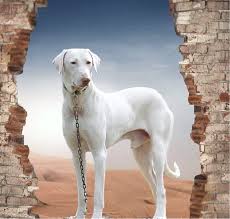
Perhaps the most distinctive feature associated with the town is the Rajapalayam dog, a powerful indigenous dog breed that originated in the region.
Traditionally bred by local communities, the Rajapalayam hound was known for its strength, loyalty and hunting ability. The breed was historically used for guarding homes and hunting wild boar in forested areas near the Western Ghats.
Recognised for its striking appearance — typically a muscular white dog with pink nose and ears — the Rajapalayam breed has become an icon of Tamil Nadu’s native canine heritage.
Today the dog is celebrated as one of India’s important indigenous breeds, carrying the name of the town across the country.
Gateway to the Western Ghats
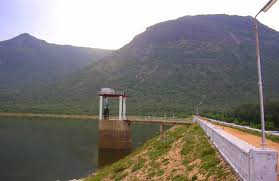
Rajapalayam lies close to the foothills of the Western Ghats, whose forested slopes rise dramatically to the west of the town.
These hills influence rainfall patterns and provide water resources that support agriculture in the surrounding plains. Streams flowing from the Ghats feed irrigation tanks and reservoirs used by farmers.
The mountains also form part of a rich ecological landscape where forests host diverse wildlife.
For residents of Rajapalayam, the Western Ghats remain both a natural boundary and an environmental lifeline.
Textile Mills and Industrial Growth
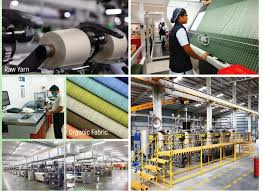
Rajapalayam developed into an important textile centre during the twentieth century. Cotton mills and textile industries established here generated employment and stimulated urban growth.
Factories processing cotton and producing yarn contributed to the industrial character of the town. The textile sector attracted workers and traders, gradually transforming Rajapalayam into a busy commercial centre.
Even today the legacy of the textile industry remains visible in the town’s economy and urban landscape.
Mango Orchards and Agriculture
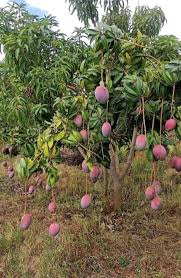
The fertile lands around Rajapalayam are known for mango cultivation, with orchards stretching across many villages. Mangoes grown in the region are transported to markets throughout Tamil Nadu during the harvest season.
Farmers also cultivate crops such as paddy, cotton, pulses and vegetables depending on irrigation availability.
Agriculture and orchard farming therefore continue to support rural livelihoods across the constituency.
Temple Heritage and Cultural Life
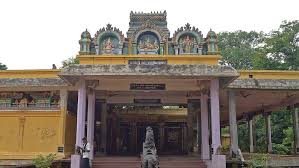
Rajapalayam contains several temples that play important roles in the spiritual life of the community. One of the well-known shrines is the Ayyanar Temple Rajapalayam, where devotees gather during festival seasons.
Village temples dedicated to Amman and Murugan host colourful festivals that bring together communities from surrounding areas.
Religious traditions remain deeply embedded in the social life of the region.
Markets and Commercial Activity
Rajapalayam town functions as a trading hub for agricultural produce from neighbouring villages. Markets dealing in fruits, vegetables and cotton products attract traders from nearby districts.
Small businesses, textile shops and retail establishments contribute to the town’s lively commercial atmosphere.
Transport links connect Rajapalayam with Virudhunagar, Tenkasi and other towns across southern Tamil Nadu.
Electoral Ledger:
2011
Winner — K. T. Rajenthra Bhalaji (AIADMK) — 1,01,763 votes
Runner-up — S. Thangapandian (DMK) — 79,214 votes
Third — R. Kannan (DMDK) — 26,587 votes
Winning Margin — 22,549 votes
2016
Winner — S. Thangapandian (DMK) — 74787 votes
Runner-up — Shyam A A S (AIADMK) — 69985 votes
Third — Gurusamy A (CPM) — 12505 votes
Winning Margin — 4802 votes
2021
Winner — S. Thangapandian (DMK) — 74,158 votes
Runner-up — K. T. Rajenthra Bhalaji (AIADMK) — 70,260 votes
Third — Jeyaraj V. (Naam Tamilar Katchi) — 15601 votes
Winning Margin — 3898 votes
Political contests here often mirror broader trends across Virudhunagar district.
Civic and Development Concerns
Residents frequently highlight several priorities:
irrigation facilities for agriculture and orchards
industrial employment opportunities
road infrastructure linking villages and markets
conservation of native dog breeds and cultural heritage
Balancing industrial development with agricultural prosperity remains an ongoing challenge.
Political Temperament
The electorate includes farmers, industrial workers, traders and small entrepreneurs. The mix of agriculture and industry influences political discourse in the constituency.
Campaigns often focus on employment, agricultural support and infrastructure development.
Candidates with strong local connections and development agendas tend to attract support.
What Decides Rajapalayam
Three factors usually shape electoral outcomes:
Agricultural livelihood
Mango orchards and farming communities form a major voter base.
Industrial employment
Textile mills and related industries influence economic expectations.
Regional identity
The legacy of the Rajapalayam dog and local heritage create civic pride.
Rajapalayam voters therefore weigh both economic development and cultural identity when casting their ballots.
Closing Frame
At the foothills of the Western Ghats, Rajapalayam’s orchards and textile mills reflect a town shaped by enterprise and tradition. In the villages, farmers harvest mangoes while markets buzz with trade.
And across the region runs the enduring legend of the Rajapalayam hound — a symbol of strength and loyalty born in this very landscape.
When Rajapalayam votes, it speaks for a constituency where industry, agriculture and heritage move forward together.