
Ramanathapuram: Seat of the Sethupathis, Coastal Cultures and the Gateway to Rameswaram
 By Nandhini
- Tamil
- Hindi
- Malayalam
- Kannada
- Telugu
Constituency No. 211 | Ramanathapuram District | General
Ramanathapuram is one of the most historically resonant constituencies in Tamil Nadu. Once the capital of the powerful Sethupathi rulers, the town grew around royal authority, temple traditions and maritime routes linking the mainland with the sacred island of Rameswaram. Even today the constituency carries the imprint of centuries of political and cultural history.
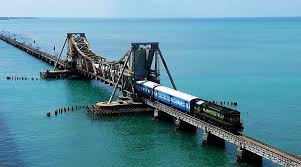
Situated along the southeastern coast of Tamil Nadu, Ramanathapuram forms an important geographic bridge between inland southern districts and the island pilgrimage centre of Rameswaram. Roads from Madurai and Tirunelveli converge here before continuing eastward toward the Pamban channel and the famed
Ramanathaswamy temple.
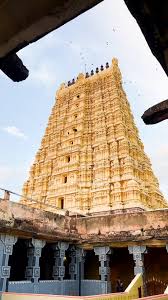
The region’s identity reflects a remarkable blend of royal heritage, coastal livelihood, religious traditions and diverse social communities.
Ramanathapuram therefore represents a constituency where the echoes of a princely kingdom coexist with the everyday realities of fishing villages, market towns and district administration.
Capital of the Sethupathi Kingdom
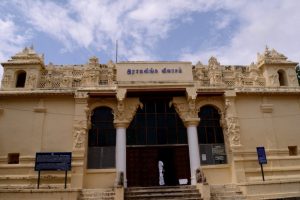
Ramanathapuram rose to prominence as the capital of the Sethupathi dynasty, rulers who controlled large parts of the southeastern Tamil coast for centuries. The Sethupathis derived their title from their duty as protectors of the sacred “Sethu” — the pilgrimage route leading to Rameswaram.
From their capital here they governed coastal territories, managed maritime trade and supported religious institutions across the region.
The Sethupathi rulers constructed temples, palaces and civic structures that gave the town its distinctive character. Their patronage strengthened the importance of Ramanathapuram as both a political centre and a gateway to pilgrimage routes.
Even today the old palace complex and historic neighbourhoods stand as reminders of that royal era.
Gateway to Rameswaram Pilgrimage
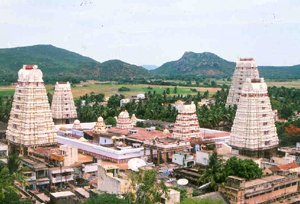
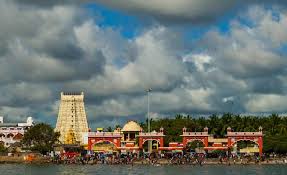
Geographically Ramanathapuram lies along the historic road leading to the Ramanathaswamy Temple at Rameswaram, one of the most revered pilgrimage centres in India.
For centuries devotees travelling to Rameswaram passed through Ramanathapuram to prepare for the journey to the island shrine dedicated to Lord Shiva.
Pilgrim traffic supported the growth of markets, inns and temple institutions in the town.
This link between Ramanathapuram and Rameswaram continues to shape the cultural and economic life of the region.
Coastal Geography and Fishing Communities
The constituency lies close to the waters of the Gulf of Mannar, a biologically rich marine region known historically for pearl fisheries and coastal trade.
Fishing communities along the coast have long depended on the sea for livelihood. Boats leave coastal villages at dawn while fish markets bustle with activity after the catch returns.
Marine resources, seasonal monsoon winds and occasional cyclones all influence life in the district.
The sea therefore remains both a source of livelihood and a powerful force shaping local history.
Temples and Sacred Traditions
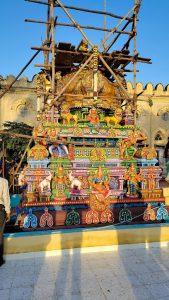
Ramanathapuram town hosts several temples that reflect the religious traditions of the region. Among them is the Rajarajeshwari Amman Temple, historically associated with the Sethupathi rulers.
Village temples dedicated to Amman, Murugan and guardian deities remain central to rural cultural life.
Festivals bring together communities through processions, music and communal gatherings that preserve traditions passed down through generations.
Religious diversity is also visible in the presence of mosques and churches across the district.
Communities and Social Fabric
Ramanathapuram district is known for its complex social composition shaped by centuries of trade, migration and royal patronage. Agricultural communities, coastal fishing groups, traders and religious institutions together form the social landscape of the constituency.
The historical influence of local leaders and community organisations has also shaped the region’s political discourse.
This diverse social structure makes Ramanathapuram one of the politically vibrant constituencies of southern Tamil Nadu.
Markets and District Headquarters
As the district headquarters, Ramanathapuram functions as an administrative and commercial centre. Government offices, courts and educational institutions serve people from surrounding towns and villages.
Markets in the town trade agricultural produce from inland areas along with fish and marine products from coastal settlements.
Transport routes link Ramanathapuram with Madurai, Paramakudi and Rameswaram, strengthening its role as a regional hub.
Electoral Ledger
2011
Winner — M. H. Jawahirullah (MMK – DMK alliance) — 65,789 votes
Runner-up — S. P. Muthuramalingam (AIADMK) — 60,128 votes
Third — R. Rajkumar (DMDK) — 21,354 votes
Winning Margin — 5,661 votes
2016
Winner — M. Manikandan (AIADMK) — 89365 votes
Runner-up — Jawahirullah M.H (MAMAK) — 56143 votes
Third — Singai Jinnah M A (DMDK) — 16353 votes
Winning Margin — 33222 votes
2021
Winner — K. Kadhar Basha Muthuramalingam (DMK) — 1,11,075 votes
Runner-up — D.Kuppuramu (BJP) — 60,763 votes
Third — K.Ilango(Naam Tamilar Katchi) — 17062 votes
Winning Margin — 50,312 votes
Civic and Development Concerns
Key issues frequently raised by voters include:
• welfare and infrastructure for fishing communities
• coastal protection against erosion and cyclones
• employment opportunities for youth
• better road connectivity to interior villages
• tourism development linked to Rameswaram pilgrimage
Balancing coastal livelihoods with economic development remains a central policy challenge.
Political Temperament
The electorate of Ramanathapuram includes fishermen, farmers, traders and government employees. Political mobilisation often reflects both coastal concerns and inland agricultural interests.
Campaigns frequently revolve around fisheries policy, development infrastructure and employment generation.
Local leadership and community influence continue to play an important role in shaping electoral outcomes.
What Decides Ramanathapuram
Three factors often shape electoral results:
Coastal livelihood – fishing communities influence political discourse.
Historical identity – the legacy of the Sethupathi kingdom creates strong regional pride.
Development expectations – roads, employment and coastal protection remain crucial issues.
Closing Frame
Ramanathapuram stands where history and geography meet. Palace walls recall the era of the Sethupathi kings while fishing boats head out daily into the waters of the Gulf of Mannar.
Pilgrims still pass through the town on their way to Rameswaram, just as they did centuries ago.
When Ramanathapuram votes, it speaks with the voice of a region shaped by royalty, sea and sacred tradition.