
Ranipet: Industrial Nerve Centre, Highway Hub and the Manufacturing Corridor of Northern Tamil Nadu Constituency No. 41 | Ranipet District | General (Unreserved)
 By Nandhini
- Tamil
- Hindi
- Malayalam
- Kannada
- Telugu
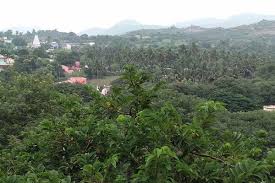
Constituency No. 41 | Ranipet District | General
Ranipet stands as one of the most important industrial constituencies in northern Tamil Nadu. Located along the Chennai–Bengaluru economic corridor, the town has evolved from a modest settlement into a major manufacturing hub that supports thousands of workers and industries.
Today Ranipet forms part of a dynamic industrial belt stretching from Vellore through Walajah to the outskirts of Chennai. Leather industries, engineering units, chemical factories and export-oriented companies operate across the region, giving the constituency a distinctly industrial character.
The town also sits at the crossroads of key transport routes. National highways, rail lines and industrial corridors converge here before branching out toward Chennai, Bengaluru and interior Tamil Nadu.
Thus Ranipet represents a constituency where manufacturing, transport infrastructure and urban growth combine to shape one of the most economically significant zones in the state.
Industrial Backbone of the Region
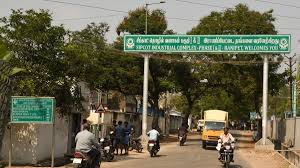
Ranipet’s modern identity is closely tied to the SIPCOT industrial estate, one of the major industrial clusters in Tamil Nadu. Spread across a large area, the estate hosts numerous manufacturing units producing leather goods, engineering components, chemicals and export products.
Many of these industries supply goods to international markets, making Ranipet part of the global supply chain for several manufacturing sectors.
Industrial activity has generated employment for thousands of workers from nearby districts, while also attracting migrant labour from other parts of the country.
The presence of these industries has transformed Ranipet into a vibrant manufacturing town whose economic influence extends far beyond the constituency itself.
Leather Industry and Export Trade
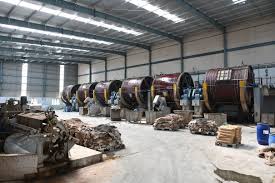
The Ranipet region is particularly well known for its leather processing and leather goods manufacturing. Tanneries and leather factories in the area produce footwear, garments and accessories exported to markets across Europe and Asia.
This industry developed alongside the leather clusters of neighbouring Vellore and Ambur, forming one of India’s most important leather manufacturing belts.
The sector has played a major role in shaping the economy of the constituency by generating employment and trade networks.
Highway Gateway of Northern Tamil Nadu
Ranipet’s strategic importance is reinforced by its location along the Chennai–Bengaluru National Highway, one of the busiest transport corridors in southern India.
Goods vehicles carrying industrial products, leather goods and engineering materials move along this route daily. The highway links Ranipet with major cities such as Chennai, Vellore and Bengaluru.
From this corridor, roads branch toward Tiruvannamalai, Arcot and interior districts, making Ranipet a critical transport node.
This connectivity has helped the town grow rapidly as an industrial and commercial centre.
Rail and Logistics Network
In addition to highways, Ranipet benefits from railway connectivity through nearby junctions that link the constituency to the wider rail network of southern India.
Industrial units rely on these transport links to move raw materials and finished goods efficiently.
The combined road and rail infrastructure strengthens Ranipet’s role as a logistics hub serving northern Tamil Nadu’s manufacturing sector.
Temples and Cultural Heritage
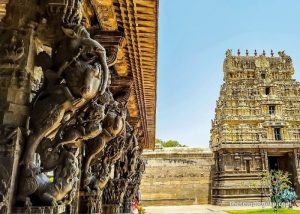
Despite its industrial profile, Ranipet and surrounding areas retain strong cultural and religious traditions. One of the prominent shrines near the constituency is the Jalakandeswarar Temple in Vellore Fort, a historic Shiva temple that attracts devotees from across the region.
Village temples dedicated to Amman and Murugan also host vibrant annual festivals.
These cultural institutions provide continuity with the region’s traditional heritage even as industrial development transforms the landscape.
Urban Growth and Residential Expansion
Industrialisation has brought rapid urban expansion to Ranipet. Residential neighbourhoods, commercial complexes and educational institutions have grown alongside factory zones.
Workers employed in nearby industries often settle in housing colonies across the constituency.
This growth has gradually transformed Ranipet from a small town into a significant urban centre within the northern Tamil Nadu industrial corridor.
Electoral Ledger
2011
Winner – R. Gandhi (DMK) – approximately 94,000 votes
Second – S. A. Ramachandran (AIADMK) – about 88,000 votes
Third – DMDK candidate – around 16,000 votes
Winning Margin: about 6,000 votes
2016
Winner – R. Gandhi (DMK) – 81724 votes
Second – Elumalai C (AIADMK)- 73828 votes
Third – M. K. Murali ( PMK) – 23,850 votes
Winning Margin: 7896 votes
2021
Winner – R. Gandhi (DMK) – 103291 votes
Second – S.M. Sukumar (AIADMK )- 86,793 votes
Third – V.Shylaja (NTK) – 10234 votes
Margin: 16498 votes
The constituency has frequently witnessed close contests reflecting the political competition typical of northern Tamil Nadu.
Civic and Development Concerns
Residents of Ranipet often highlight several key issues:
• environmental management related to industrial activity
• improved infrastructure in rapidly expanding urban areas
• employment opportunities for local youth
• road and transport improvements to handle heavy traffic
Balancing industrial expansion with environmental sustainability remains an important challenge.
Political Temperament
The electorate consists largely of industrial workers, traders, small entrepreneurs and residents employed in nearby factories.
Labour welfare, industrial development and infrastructure improvements are major political themes during election campaigns.
Candidates often focus on economic growth, job creation and civic infrastructure.
What Decides Ranipet
Three factors frequently influence electoral outcomes:
Industrial employment – thousands of workers depend on factory jobs.
Transport infrastructure – highways and logistics networks shape economic prospects.
Urban expansion – housing, sanitation and civic amenities affect everyday life.
Ranipet voters therefore tend to prioritise economic development and employment opportunities.
Closing Frame
In Ranipet the hum of factory machinery blends with the constant movement of trucks along the highway corridor linking Chennai and Bengaluru. Industrial estates spread across the landscape while new residential neighbourhoods rise to accommodate a growing workforce.
The constituency stands as one of the manufacturing engines of northern Tamil Nadu.
When Ranipet votes, it speaks for a region where industry, infrastructure and economic ambition drive the future.