

Thalli: Hill Frontier of Krishnagiri, Border Trade and the Quiet Edge of Tamil Nadu
 By Nandhini
- Tamil
- Hindi
- Malayalam
- Kannada
- Telugu

Constituency No. 56 | Krishnagiri District | General
Thalli lies along the northern frontier of Tamil Nadu where the state’s boundaries meet the rugged landscapes of Karnataka. Located within Krishnagiri district and close to the fast-growing industrial city of Hosur, the constituency presents a distinctive blend of hill terrain, border commerce and rural life. Often described as part of the “Little England” belt of Krishnagiri because of its cooler climate and undulating landscape, Thalli occupies a transitional zone between the Tamil plains and the elevated plateau of southern Karnataka.
The constituency spreads across villages, forest edges and agricultural settlements that depend heavily on seasonal rainfall and local irrigation systems. Despite its relatively remote setting compared with metropolitan regions of Tamil Nadu, Thalli holds strategic importance because of its proximity to the Tamil Nadu–Karnataka border and the industrial corridor emerging around Hosur.
Thus Thalli reflects a constituency where geography, border trade and agriculture combine to shape everyday life.
Hill Landscape and Cooler Climate

Unlike the hot plains typical of much of northern Tamil Nadu, Thalli benefits from a relatively milder climate because of its elevation and proximity to the hill ranges extending from the Deccan plateau. Rolling hills, rocky outcrops and scattered forests form much of the region’s natural landscape.
These environmental conditions support cultivation of crops such as ragi, groundnut, vegetables and millets. Farmers in the region often rely on rainfall and small irrigation tanks that store water during the monsoon season.
The terrain therefore gives Thalli a distinctive rural character within Krishnagiri district.
Border Economy
Thalli’s position near the Karnataka border has historically encouraged cross-border trade and movement.
Agricultural produce, livestock and daily commodities frequently move between villages on both sides of the state boundary.
Transport routes connecting the constituency to Hosur and Bengaluru also facilitate economic exchange. Many residents commute to industrial areas in Hosur for employment while continuing to live in their native villages within the constituency.
This border economy has long shaped the livelihoods of local communities.
Agricultural Communities
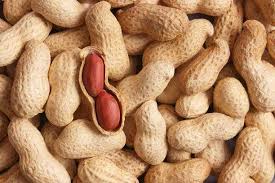
Agriculture remains the backbone of the Thalli constituency. Farmers cultivate a range of dryland crops suited to the climate and soil conditions of the region. Groundnut, ragi and pulses are widely grown, while vegetable cultivation has increased in certain areas due to demand from nearby urban markets.
Livestock rearing also forms an important part of rural livelihoods. Weekly markets provide farmers with opportunities to sell agricultural produce and livestock.
The rhythm of life in Thalli therefore continues to follow the agricultural calendar.
Temples and Village Traditions

Across the constituency, village temples dedicated to Amman, Murugan and local guardian deities play a central role in community life. Annual temple festivals bring together residents from surrounding settlements for rituals, processions and cultural events.
These festivals reinforce social ties and preserve traditional folk practices that have been part of village life for generations.
Though Thalli lacks the large temple complexes seen in major pilgrimage centres, its smaller shrines remain vital to the cultural fabric of the region.
Proximity to Hosur
The rapid industrial expansion of Hosur, located within the broader Krishnagiri district, has influenced the socio-economic dynamics of Thalli. Automobile manufacturing, electronics industries and logistics hubs in Hosur provide employment opportunities for residents of nearby villages.
As transport connectivity improves, the economic link between the rural constituency and the industrial city continues to strengthen.
This relationship has gradually transformed parts of the constituency while preserving its rural core.
Electoral Ledger
2011
Winner – K. Ramachandran (AIADMK) – 79,219 votes
Second – T. Ramachandran (DMK) – 71,814 votes
Third – S. Suresh Kumar (DMDK) – 18,763 votes
Winning Margin: 7,405 votes
2016
Winner – Prakaash Y (DMK) – 74429 votes
Second – Ramachandran T (CPI) – 68184 votes
Third – Nagesh C (ADMK) – 31415 votes
Winning Margin: 6245 votes
2021
Winner – T. Ramachandran (CPI) – 120641 votes
Second – Nageshkumar C. (BJP) – 64415 votes
Third – Mariyaselvarani (Naam Tamilar Katchi) – 3776 votes
Winning Margin: 56226 votes
The constituency has witnessed closely fought contests reflecting the active political participation of rural voters.
Development Concerns
Residents frequently highlight several priorities:
• improvement of rural roads connecting interior villages
• irrigation facilities for agriculture
• better transport links to Hosur and Bengaluru
• expansion of educational and healthcare facilities
Addressing these issues remains central to local political discourse.
Closing Frame
Thalli stands at the quiet frontier of Tamil Nadu where hill landscapes meet agricultural fields and border roads carry trade between states. Its villages maintain long-standing traditions even as nearby industrial growth begins to influence the region.
When Thalli votes, it reflects the voice of a constituency shaped by hills, farms and the rhythms of rural life along the edge of the state.