
Thirumayam: Fort, Temples and the Historic Heartland of Pudukkottai
 By Nandhini
- Tamil
- Hindi
- Malayalam
- Kannada
- Telugu

Constituency No. 181 | Pudukkottai District | General
Thirumayam is a constituency steeped in history, religion and the agrarian rhythms of southern Tamil Nadu. Located in the western part of Pudukkottai district, the seat derives its identity from the ancient Thirumayam Fort, the celebrated Satyagiriswarar and Sathyamoorthy Perumal temples, and the rugged landscape of rocky hills and dry-zone agriculture that defines much of this region.
For centuries, Thirumayam served as a strategic and cultural centre within the former Pudukkottai princely state. The presence of the fort and temples reflects a history where religion, defence and governance were closely intertwined. Today the constituency balances that historical legacy with the contemporary concerns of rural development, water management and agricultural livelihoods.
The Fort that Guards History
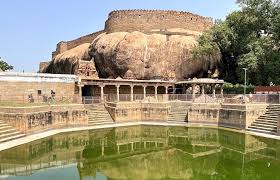
The most striking landmark in the constituency is Thirumayam Fort, perched on a rocky hill overlooking the town. Built during the Nayak period and later strengthened by the rulers of Pudukkottai, the fort once served as a defensive stronghold controlling movement through the surrounding plains. Its massive stone walls, bastions and gateways still dominate the skyline.
Within the fort complex lie rock-cut temples and shrines that illustrate the architectural traditions of earlier centuries. The site stands today as one of the most significant historical monuments in the district, drawing visitors interested in heritage and archaeology.
The fort symbolises Thirumayam’s past as a strategic settlement in the interior of Tamil Nadu.
Sacred Temples and Religious Tradition
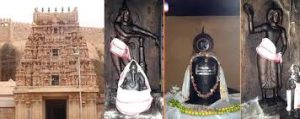
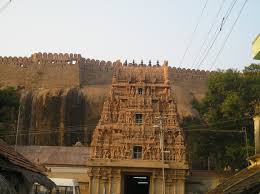
Equally important to the constituency’s identity are the twin temples at the base of the hill: Satyagiriswarar Temple, dedicated to Lord Shiva, and Sathyamoorthy Perumal Temple, a revered Vishnu shrine. These temples are known for their rock-cut architecture and ancient inscriptions.
The Sathyamoorthy Perumal shrine in particular attracts devotees because of its distinctive reclining form of Vishnu and its long-standing place in regional Vaishnavite worship. Temple festivals and processions remain central events in the town’s calendar, drawing participation from nearby villages.
Smaller temples dedicated to Amman, Murugan and village guardian deities are scattered throughout the constituency, sustaining vibrant local religious traditions.
Landscape of Rocky Hills and Dryland Farming

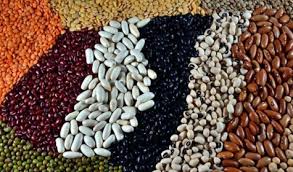
Unlike the lush Cauvery delta, Thirumayam lies in a semi-arid landscape marked by rocky outcrops, scrubland and dry farming areas. Agriculture here depends largely on rainfall and irrigation tanks rather than perennial river systems.
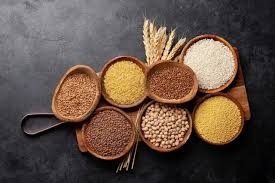
Farmers cultivate crops such as groundnut, millets, pulses and sesame, adapting to the region’s dry climate. Livestock rearing and small dairy activities supplement agricultural income for many households.
Water conservation therefore plays a crucial role in the local economy. Tanks and check dams are essential for sustaining cultivation, and their maintenance frequently becomes a major public concern.
Town Life and Rural Commerce
Thirumayam town functions as the commercial hub for surrounding villages. Weekly markets bring farmers and traders together to exchange agricultural produce, livestock and household goods. Small shops, eateries and transport services serve residents as well as travellers moving along regional roads connecting Pudukkottai, Karaikudi and Tiruchirappalli.
Pilgrimage tourism linked to the temples and heritage tourism associated with the fort contribute modestly to the local economy. Visitors often combine trips to nearby historic towns and temple sites across the Pudukkottai region.
Connectivity and Regional Links
The constituency enjoys road connectivity with important towns such as Pudukkottai, Karaikudi and Tiruchirappalli, enabling movement of agricultural produce and passengers. Bus services link the area with district headquarters and neighbouring constituencies.
This connectivity supports trade and educational mobility, allowing students and workers to travel to larger towns for employment and higher studies.
Civic and Development Concerns
Residents frequently highlight issues related to water scarcity, irrigation infrastructure and rural road maintenance. Because agriculture depends heavily on rainfall, drought years can significantly affect livelihoods.
Improvement of tank systems, drinking-water supply and rural employment opportunities remain recurring demands. Tourism infrastructure around the fort and temples is also seen as an area with potential for development.
Electoral Ledger
2011
Winner — P. K. Vairamuthu (AIADMK) — 89,521 votes
Runner-up — S. Regupathy (DMK) — 73,642 votes
Third — K. Rajendran (DMDK) — 21,334 votes
Winning Margin — 15,879 votes
2016
Winner — S. Regupathy (DMK) — 72373 votes
Runner-up — Vairamuthu P K (AIADMK) — 71607 votes
Third — Chidambaram PL. A (TMC(M) ) — 5096 votes
Winning Margin — 766 votes
2021
Winner — S. Regupathy (DMK) — 71349 votes
Runner-up — P. K. Vairamuthu (AIADMK) — 69967 votes
Third — Selvakumar K (IMD) — 15144 votes
Winning Margin — 1382 votes
What Decides Thirumayam
Several factors typically shape electoral outcomes in the constituency:
Agricultural concerns: Rainfall patterns, irrigation tanks and drought relief measures are crucial for farmers.
Water management: Conservation of local water bodies directly affects cultivation and drinking-water supply.
Heritage and tourism: Development around the fort and temples can influence economic prospects.
Rural infrastructure: Road connectivity, schools and healthcare facilities remain important public demands.
Local leadership: Accessibility of elected representatives often plays a significant role in voter sentiment.
Closing Frame
Thirumayam represents a constituency where history, devotion and dryland agriculture coexist. The ancient fort stands as a reminder of the region’s strategic past, while the temples below it continue to shape the spiritual life of the community. Across the surrounding villages, farmers cultivate the land with resilience shaped by centuries of adaptation to a challenging climate.
When Thirumayam votes, it speaks as a historic interior constituency of Tamil Nadu—one that carries pride in its past while seeking sustainable development for its rural future.