

Thiruvidaimarudur: Mahalingeswarar Temple Town in the Heart of the Cauvery Delta
 By Nandhini
- Tamil
- Hindi
- Malayalam
- Kannada
- Telugu
Constituency No. 170 | Thanjavur District | Scheduled Caste (Reserved)
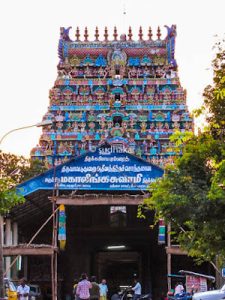
Thiruvidaimarudur is one of the most culturally rich constituencies in the fertile Cauvery delta, where agriculture, temple tradition and classical Tamil heritage shape public life. Located between the historic towns of Kumbakonam and Mayiladuthurai, the constituency is centred around the renowned Mahalingeswarar Temple, one of the important Shiva shrines of the region. The town’s identity has for centuries revolved around this temple and the agrarian prosperity of the surrounding delta.
The constituency forms part of the larger Cauvery basin landscape that sustained the Chola civilisation. Paddy fields, irrigation canals, temple towns and ancient settlements define its geography. Even today the rhythms of agriculture, religious festivals and river-fed cultivation continue to shape the character of Thiruvidaimarudur.
Mahalingeswarar Temple and Sacred Heritage
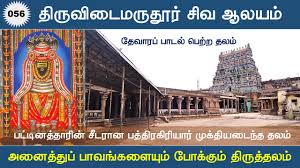
The spiritual heart of the constituency is the Sri Mahalingeswarar Temple, one of the largest Shiva temples in the Cauvery delta. The temple’s towering gopuram, vast courtyards and intricately carved corridors reflect centuries of architectural development under Chola, Nayak and Maratha patronage.
The deity Mahalingeswarar is revered as a powerful form of Lord Shiva, and the temple has long been a centre of Shaivite worship. Devotees visit from across Tamil Nadu to offer prayers, particularly during festivals such as Mahashivaratri, Panguni and annual temple car processions.
The temple streets form the nucleus of town life. Shops selling flowers, brass lamps, religious articles and prasadam surround the shrine, sustaining a pilgrimage-based economy that complements agriculture.
Vaishnavite and Shaivite Cultural Landscape
Though the Mahalingeswarar temple dominates the religious identity of the town, the constituency lies within a region dense with sacred sites. Several Vaishnavite temples and Divyadesam shrines exist in neighbouring towns such as Kumbakonam and surrounding villages, making the region one of the most spiritually vibrant parts of Tamil Nadu.
Temple festivals, classical music recitals and traditional rituals keep these ancient religious traditions alive. In the month of Margazhi and during major festival seasons, temple towns across the constituency witness processions, devotional singing and community gatherings.
Cauvery Delta Agriculture


Agriculture is the backbone of Thiruvidaimarudur’s economy. The fertile soils of the Cauvery delta support extensive paddy cultivation, along with sugarcane, banana and coconut farming. Irrigation canals branching from the river distribute water to villages throughout the constituency.
Farmers depend heavily on timely water releases and canal maintenance. As a result, issues related to Cauvery water management, irrigation infrastructure and crop support policies frequently dominate local political discussions.
The agricultural economy also supports allied activities such as rice milling, dairy farming and small-scale food processing.
Temple Town Commerce

The town of Thiruvidaimarudur functions as a commercial centre for surrounding villages. Markets selling vegetables, grains, temple offerings and household goods serve local residents and visiting pilgrims. Small hotels and eateries cater to travellers moving between Kumbakonam, Mayiladuthurai and nearby temple towns.
Traditional crafts such as brassware, pooja articles and garland making also contribute to the local economy, reflecting the close link between commerce and religious life.
Connectivity and Location
Thiruvidaimarudur enjoys good connectivity because of its location in the Cauvery delta’s temple belt. The constituency lies near important road routes linking Kumbakonam, Mayiladuthurai and Thanjavur. Railway stations in nearby towns connect the region with major cities across Tamil Nadu.
This accessibility supports both pilgrimage tourism and agricultural trade, strengthening the town’s role as a regional hub.
Civic and Development Issues
While the constituency benefits from fertile agriculture and temple tourism, residents continue to raise concerns about infrastructure. Maintenance of rural roads, irrigation canals and drinking-water systems remains a priority for many villages.
Flood management during heavy monsoons and preservation of water bodies are also important issues, as the delta landscape remains sensitive to both drought and excessive rainfall.
Balancing agricultural needs with urban development in temple towns is another challenge faced by local administrators.
Electoral Ledger
2011
Winner — R. Bharathidasan (AIADMK) — 86,563 votes
Runner-up — S. Kalyanasundaram (DMK) — 72,581 votes
Third — P. Rajendran (DMDK) — 19,774 votes
Winning Margin — 13,982 votes
2016
Winner — Govi Chezhiaan (DMK) — 77538 votes
Runner-up — Settu U (AIADMK) — 77006 votes
Third — Madahaiyan R S (PMK) — 13709 votes
Winning Margin — 532 votes
2021
Winner — Govi Chezhiaan (DMK) — 95,763 votes
Runner-up — Union Veeramani S.(AIADMK) — 85083 votes
Third — Divya Bharathi M (Naam Tamilar Katchi) — 11176 votes
Winning Margin — 10680 votes
What Decides Thiruvidaimarudur
Several factors influence electoral outcomes in the constituency:
Agricultural concerns: Farmers depend heavily on Cauvery water supply and irrigation infrastructure.
Temple economy: Pilgrimage tourism linked to the Mahalingeswarar temple shapes local commerce.
Rural development: Road connectivity, drinking water and canal maintenance remain crucial issues.
Cultural identity: Temple traditions and regional heritage play an important role in local pride and social life.
Delta livelihood patterns: Agriculture, rice milling and allied activities influence voter sentiment.
Closing Frame
Thiruvidaimarudur stands as a classic Cauvery delta constituency where faith, farming and heritage intertwine. The towering Mahalingeswarar temple symbolises the spiritual continuity of the region, while the surrounding fields remind visitors of the agricultural wealth that sustained generations.
When Thiruvidaimarudur votes, it reflects the voice of a delta society that values both its sacred traditions and the livelihood of its farmers—an enduring blend of devotion and cultivation in the heart of Tamil Nadu.