
Tiruppattur: Temple Town of the Jawadhu Foothills and the Historic Gateway of Northern Tamil Nadu
 By Nandhini
- Tamil
- Hindi
- Malayalam
- Kannada
- Telugu
Constituency No. 50 | Tirupattur District | General
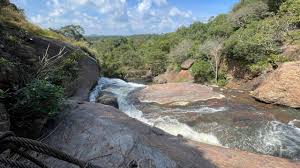
Tiruppattur is one of the important towns of northern Tamil Nadu, located at the foothills of the Jawadhu Hills and positioned along major transport routes linking the northern districts with the interior of the state. Though today it serves as the headquarters of Tirupattur district, the town’s history stretches back centuries as a settlement shaped by temple culture, agriculture and trade.
The constituency lies within a landscape where hill ranges, river-fed fields and small market towns combine to create a distinctive regional identity. Tiruppattur town itself functions as an administrative and commercial centre for surrounding rural areas, while the nearby hills give the region a scenic character rarely found in urban constituencies.
Thus Tiruppattur represents a constituency where temple tradition, hill geography and district-level administration meet in one evolving civic landscape.
Temple Heritage of the Town
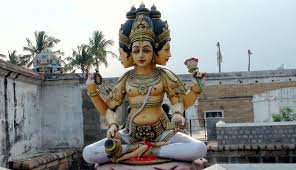
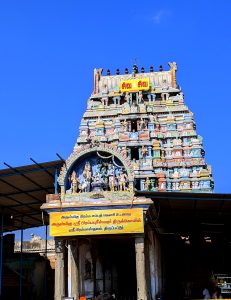
Religion forms an important part of Tiruppattur’s identity. The town contains several historic temples dedicated to Shiva, Vishnu and Amman, with worship traditions that have continued for generations.
One of the prominent shrines in the area is the Brahmapureeswarar Temple, known locally for its association with the worship of Lord Shiva and Brahma. Devotees visit the temple seeking blessings related to destiny and life’s fortunes, giving the shrine a unique devotional significance.
Temple festivals and local celebrations bring together residents from surrounding villages, reinforcing the town’s role as a cultural centre of the district.
Jawadhu Hills Landscape
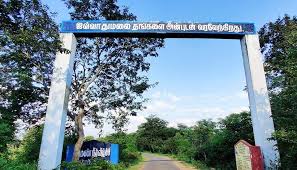
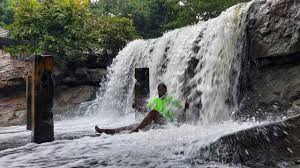
Tiruppattur lies close to the Jawadhu Hills, part of the Eastern Ghats range. These hills form a striking natural backdrop to the region and influence its climate and agriculture.
Forested slopes, tribal settlements and hill roads leading upward from the plains give the region a scenic character. Visitors travelling toward hill areas such as Yelagiri or other Eastern Ghats locations often pass through the Tiruppattur region.
The hills therefore contribute to both the environmental and cultural identity of the constituency.
Agriculture and Rural Economy
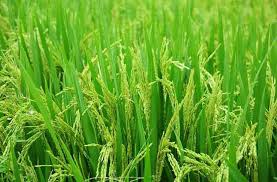
Despite its administrative importance, Tiruppattur remains closely linked with agriculture. Fields surrounding the town produce crops such as paddy, sugarcane, groundnut and millets depending on rainfall and irrigation conditions.
Village markets bring agricultural produce into Tiruppattur town where traders and merchants operate small commercial establishments. Agricultural livelihoods therefore continue to influence the social and economic structure of the constituency.
Transport Junction of the Region
Tiruppattur’s location along regional highways makes it an important road junction connecting northern Tamil Nadu with neighbouring districts. Routes linking Vellore, Krishnagiri, Dharmapuri and Tiruvannamalai pass through or near the town.
Bus services from various districts converge here, making the town an important transit point for passengers travelling across the region.
Transport connectivity also supports trade and movement of goods between rural areas and larger towns.
Administrative Centre
With the formation of Tirupattur district, the town has grown in administrative significance. Government offices, courts and public institutions operate from the district headquarters, bringing employees, professionals and visitors to the town.
This administrative presence has encouraged expansion of residential areas, shops and service businesses across the constituency.
Markets and Local Commerce
The commercial streets of Tiruppattur host grocery shops, textile outlets, jewellery stores and everyday markets serving residents from nearby villages. Small eateries, bakeries and tea stalls add to the town’s social life.
Local businesses thrive on the steady flow of customers from surrounding rural areas.
Electoral Ledger
2011
Winner – K. G. Ramesh (AIADMK) – 84,221 votes
Second – A. Chandrasekar (DMK) – 73,415 votes
Third – M. Balu (DMDK) – 18,642 votes
Winning Margin: 10,806 votes
2016
Winner – A. Nallathambi (DMK) – 80791 votes
Second – Kumar T T (AIADMK) – 73144 votes
Third – Raja T K (PMK) – 12227 votes
Winning Margin: 7647 votes
2021
Winner – A. Nallathambi (DMK) – 96522 votes
Second – T.K. Raja (PMK) – 68282 votes
Third – M.Sumathi (Naam Tamilar Katchi) – 12127 votes
Winning Margin: 28240 votes
The constituency has seen close contests between the major Dravidian parties, reflecting the competitive political environment of northern Tamil Nadu.
Civic Priorities
Residents frequently highlight several development needs:
• improving irrigation and water resources for agriculture
• strengthening road infrastructure and transport facilities
• promoting tourism connected to nearby hills
• expanding urban services in the growing district headquarters
These issues often shape political discussions in the constituency.
Closing Frame
Tiruppattur stands between hill and plain, temple and town, agriculture and administration. The presence of the Jawadhu Hills in the distance and the bustle of markets in the streets give the constituency a distinctive regional character.
It is a town that continues to grow while holding on to its traditional roots.
When Tiruppattur votes, it reflects the voice of a constituency shaped by temple heritage, rural livelihoods and the emerging role of a district headquarters in northern Tamil Nadu.