
Tiruppur (North): Textile Capital, Export Nerve and the High-Stakes Politics of the Dollar City
 By Nandhini
- Tamil
- Hindi
- Malayalam
- Kannada
- Telugu
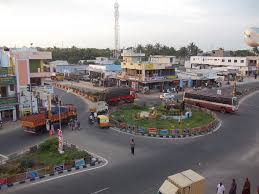
Constituency No. 113 | Tiruppur District | General
Tiruppur (North) lies at the heart of one of India’s most powerful industrial clusters. Tiruppur city is widely recognised as the knitwear capital of India, and the constituency forms a crucial part of that sprawling textile ecosystem. Rows of garment units, knitting factories, dyeing facilities, export offices and transport yards dominate the economic landscape. Every street seems to carry the rhythm of production — yarn arriving, fabric being stitched, garments packed and dispatched to markets across the world.
This is a constituency whose fortunes rise and fall with the textile trade. Thousands of workers, entrepreneurs, contractors and traders depend directly or indirectly on garment manufacturing. As a result, local politics here is rarely detached from economics. Issues such as export demand, labour availability, power supply, water resources and international trade policies often become matters of public debate during elections.
Tiruppur (North) therefore represents a rare kind of assembly seat — one whose economy is deeply linked with the global marketplace.
City of Knitwear and Exports
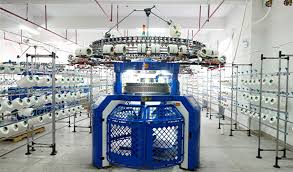
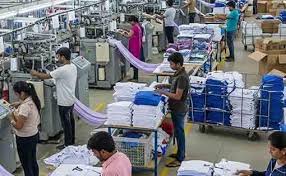
Tiruppur’s transformation from a modest town into a global textile hub began several decades ago. Entrepreneurs built a network of small knitting units that gradually evolved into a vast cluster producing cotton knitwear for both domestic and export markets. Over time, the city developed a full production chain — spinning mills supplying yarn, knitting units converting yarn into fabric, dyeing houses processing the material, garment factories stitching the final product and exporters shipping consignments abroad.
This integrated ecosystem made Tiruppur one of the most important textile centres in the country. Garments manufactured here reach retail stores in Europe, North America, the Middle East and Asia. The industry has generated employment for thousands of workers drawn not only from Tamil Nadu but also from other Indian states.
The prosperity of Tiruppur (North) is inseparable from this industrial network.
Impact of International Trade and Tariffs
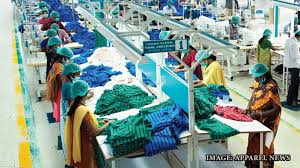
Because the local economy depends heavily on exports, changes in global trade policies can influence the city’s business climate. Discussions around tariffs, market access and international competition are therefore followed closely by textile entrepreneurs in Tiruppur.
When import duties change in major consumer markets, manufacturers here must adjust production costs, negotiate prices with buyers and explore alternative markets. The ability of the Tiruppur industry to remain competitive despite such shifts has been one of its defining strengths. Businesses often adapt by diversifying product lines, improving quality standards and expanding into new regions of export.
Thus the constituency sits at the intersection of local enterprise and global commerce.
Industrial Landscape
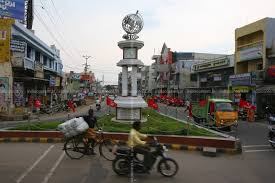
The physical landscape of Tiruppur (North) reflects its industrial character. Commercial streets are filled with garment offices, fabric merchants, machine suppliers and transport companies. Lorries carrying textile goods move constantly through the city’s roads, linking production units with ports and airports.
Warehouses and logistics hubs have grown alongside the garment industry. The presence of banks, export service agencies and freight operators further reinforces Tiruppur’s position as a business centre.
Despite its industrial focus, the constituency also contains residential neighbourhoods where workers, traders and professionals live close to their workplaces.
Water, Environment and Urban Growth
Rapid industrial growth has brought civic challenges. Water availability for both industry and households remains a key concern. Tiruppur has had to balance industrial water use with environmental protection and drinking water needs.
Urban expansion has also increased the demand for improved roads, drainage systems and waste management. Managing these pressures while sustaining economic growth remains a central policy issue in the constituency.
Culture and Community Life
Though dominated by industry, Tiruppur retains strong cultural traditions. Temples dedicated to Shiva, Vishnu, Murugan and Amman serve neighbourhood communities, and annual temple festivals bring together residents across the city.
Local eateries and small restaurants reflect the food culture of the Kongu region. Textile workers and traders alike gather in these spaces, reinforcing the sense that Tiruppur is not merely a production hub but a living urban community.
Electoral Ledger
2011
Winner – M. S. M. Anandan (AIADMK) – 94,748 votes
Second – C. Govindasamy (DMK) – 79,527 votes
Third – A. Murugan (DMDK) – 19,316 votes
Winning Margin: 15,221 votes
2016
Winner – K. N. Vijayakumar (AIADMK) – 106717 votes
Second – Saminathan M P (DMK) – 68943 votes
Third – Subramanian M (CPI) – 20061 votes
Winning Margin: 37774 votes
2021
Winner – VijeyaKumar K.N (AIADMK) – 113384 votes
Second – Ravi (A) Subramanian. M (CPI) – 73282 votes
Third – Easwaran S (Naam Tamilar Katchi) – 23110 votes
Winning Margin: 40102 votes
The constituency has seen intense competition between the major Dravidian parties, reflecting the political importance of the Tiruppur industrial belt.
Key Civic Priorities
Residents and industry stakeholders often highlight several pressing concerns:
• sustaining the textile export industry
• improving water management and environmental protection
• strengthening transport infrastructure for freight movement
• expanding housing and urban services for workers and families
These issues shape both governance debates and electoral campaigns in the constituency.
Closing Frame
Tiruppur (North) is more than an industrial neighbourhood — it is a symbol of entrepreneurial energy. Factories hum late into the night, trucks depart for distant markets and workers stitch garments destined for stores across the world.
Yet beneath the global scale of its trade, the constituency remains rooted in the everyday life of its people: factory floors, temple streets, crowded markets and modest homes.
When Tiruppur (North) votes, it reflects the voice of a city that built itself thread by thread — and continues to measure its future in the fabric of industry.