

Vaniyambadi: Leather Capital of the Hills Corridor and a Trading Town at the Crossroads
 By Nandhini
- Tamil
- Hindi
- Malayalam
- Kannada
- Telugu

Constituency No. 47 | Tirupattur District | General
Vaniyambadi sits in the eastern stretch of Tirupattur district where the plains narrow into a corridor between low hills and trade routes linking northern Tamil Nadu with neighbouring states. The constituency is widely recognised as one of the major leather-processing centres of India, a town whose identity is built around tanneries, export units and a workforce deeply connected to the global leather trade. While the hills frame the landscape and agriculture survives in surrounding villages, it is leather that defines the economic pulse of Vaniyambadi.
For decades the town has supplied finished leather and footwear components to international markets. Workshops, tanning yards and export houses form a dense industrial network within the town and its outskirts. Generations of skilled workers, traders and exporters have built Vaniyambadi into a specialised manufacturing hub. The result is a constituency whose fortunes are often shaped not only by local politics but also by global trade trends, currency movements and tariff policies abroad.
In recent years, debates over international tariffs, including duties imposed by major markets such as the United States, have become part of everyday conversation among exporters and factory owners here. When tariffs rise or trade conditions tighten, the impact is felt immediately across the local economy — in factory shifts, export volumes and employment patterns.
Thus Vaniyambadi is not merely a district town. It is a constituency where global trade and local livelihoods intersect every day.
Leather Capital of Northern Tamil Nadu


Leather is the backbone of Vaniyambadi’s economy. The town hosts numerous tanneries and leather-processing units that convert raw hides into finished leather used in footwear, garments and accessories. Many of these products eventually travel far beyond India, reaching international markets through export networks.
The leather industry has shaped the town’s social and economic fabric. Workers skilled in tanning, finishing and leather handling form the core of the labour force. Ancillary businesses — transport services, packaging units and small engineering workshops — also thrive because of the industry.
Over time, the name Vaniyambadi itself has become synonymous with leather craftsmanship.
Global Trade and Tariff Pressures
Because the constituency depends heavily on exports, international economic developments often influence local livelihoods. When major importing countries revise tariff structures or trade rules, exporters in Vaniyambadi must adjust quickly.
Higher duties on leather products can reduce competitiveness in global markets, affecting factory orders and employment levels. Conversely, favourable trade conditions can boost production and investment. Exporters frequently watch global economic signals closely, aware that distant policy decisions can shape the future of their businesses.
In this way, the economy of a small town in Tamil Nadu remains deeply connected to the wider world.
Hill Corridor Geography
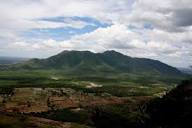
Vaniyambadi lies close to the hill ranges that stretch across Tirupattur district. The landscape combines open plains with low rocky hills that form part of the eastern extensions of the hill systems linking Tamil Nadu with neighbouring regions.
This geography has historically made the town a natural corridor for trade and movement. Roads passing through the constituency connect it with major towns in northern Tamil Nadu, strengthening its position as a commercial centre.
Temples, Mosques and Cultural Life
The town is also known for its vibrant cultural and religious life. Temples dedicated to Shiva, Vishnu and Amman coexist alongside mosques and other places of worship that reflect the constituency’s diverse social composition.
Festivals, religious gatherings and community events play an important role in sustaining social harmony and cultural identity in the town.
Markets and Town Commerce
Vaniyambadi’s markets remain busy throughout the day. Apart from leather-related trade, shops sell textiles, groceries, hardware and everyday goods needed by residents and workers. Small restaurants and tea stalls serve the large working population connected to the leather industry.
The town’s markets also attract traders from nearby villages, making Vaniyambadi an important commercial centre for the surrounding region.
Road Links and Transport
The constituency enjoys strong road connections linking it with Tirupattur, Vellore and other northern districts.
These routes help transport leather goods and other commodities to larger logistics hubs and ports.
Transport infrastructure therefore plays a crucial role in sustaining the constituency’s export-oriented economy.
Electoral Ledger
2011
Winner – M. Abdul Basith (DMK) – 71,422 votes
Second – K. Sampath Kumar (AIADMK) – 63,796 votes
Third – S. Ramesh (DMDK) – 12,418 votes
Winning Margin: 7,626 votes
2016
Winner – Nilofer Kafeel (AIADMK) – 69588 votes
Second – Syed Farooq (IUML) – 55062 votes
Third – Gnanasekaran C (TMC (M) – 21090 votes
Winning Margin: 14526 votes
2021
Winner – G. Sendhil Kumar (AIADMK) – 88018 votes
Second – N.Mohammed Nayeem (IUML) – 83114 votes
Third – A.J. Devendhiran (Naam Tamilar Katchi) – 11226 votes
Winning Margin: 4904 votes
The close margins in recent elections highlight the competitive political atmosphere in the constituency.
What Decides the Seat
Several factors influence electoral outcomes in Vaniyambadi:
• the health of the leather industry and export markets
• employment opportunities in local factories
• infrastructure for trade and transport
• water supply and urban services in the growing town
• welfare schemes affecting workers and small traders
Industrial livelihood concerns often dominate political debates here.
Closing Frame
Vaniyambadi is a constituency where the smell of tanned leather and the rhythm of factory work define everyday life. Trucks carrying finished hides roll out of the town while traders watch global markets for the next order.
In the shadow of nearby hills, a small town connects rural Tamil Nadu with international commerce.
When Vaniyambadi votes, it speaks not only for its people but also for an industry whose fortunes rise and fall with the tides of global trade.