


Sofia, Oct 27:
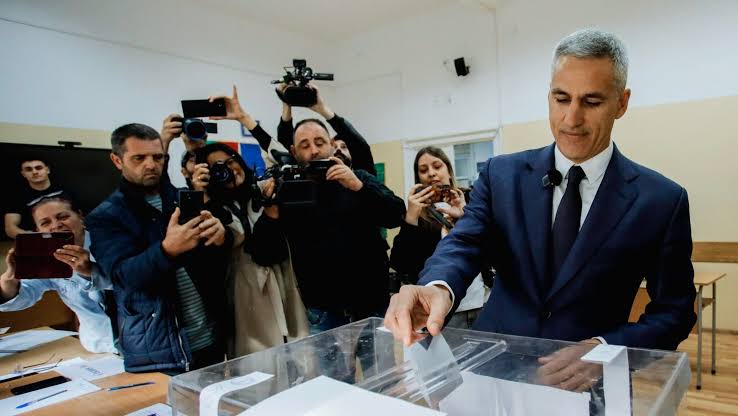
Bulgaria will hold a presidential runoff on November 1 after Sunday’s election failed to produce an outright winner, according to official results reported on Monday. The contest was marked by low voter participation, adding to concerns about political disengagement in the European Union member state.
The two leading candidates will face each other in a second round after neither secured the majority required to win outright. The result leaves voters with a further opportunity to decide who will become the country’s next president.
Bulgaria has experienced repeated political instability in recent years, with successive elections reflecting difficulties in building durable governing coalitions. Public frustration over corruption, the performance of political institutions and the country’s economic direction has remained an important factor in its political debate.
Although the presidency is largely a constitutional office, the head of state can influence political discussions, appoint an interim government under certain circumstances and play a role in navigating periods of parliamentary deadlock. The election therefore carries significance beyond the largely ceremonial aspects of the position.
The November 1 runoff is expected to determine the next president, while Bulgaria’s wider political stability will continue to depend on the ability of its parties to form workable parliamentary coalitions and address public concerns over governance.