

Madurai East: Yanaimalai Hills, Azhagar’s Path and the Expanding Edge of an Ancient City

- Tamil
- Hindi
- Malayalam
- Kannada
- Telugu
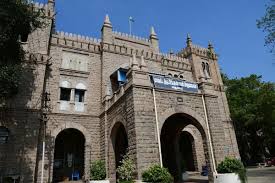
Constituency No. 189 | Madurai District | General
Madurai East represents the outward arc of one of Tamil Nadu’s most historic cities. While Madurai Central holds the ancient temple core, this constituency spreads across the eastern flank of the city where old settlements meet expanding suburbs, temple traditions meet modern residential layouts and archaeological landscapes coexist with highways and educational institutions.
The constituency reflects the way Madurai has grown beyond its historic centre while retaining deep connections to its religious and cultural past. From the granite ridges of Yanaimalai to the pilgrimage route of Azhagar, Madurai East carries a landscape where mythology, archaeology and modern urban life intersect.
Madurai East therefore represents the city’s expanding frontier — a space where the ancient city stretches outward into the future.
Yanaimalai: Hill of Archaeology and Myth
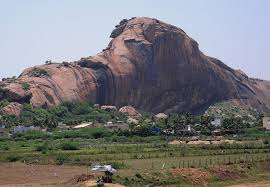
One of the most distinctive landmarks of Madurai East is the rocky hill known as Yanaimalai Hill, whose name literally means “Elephant Hill.” The massive granite formation resembles a reclining elephant when viewed from a distance.
Yanaimalai carries historical significance dating back many centuries. Rock-cut inscriptions and sculptures discovered here reveal the presence of early Jain monks who once used the hill’s caves for meditation and religious practice. These carvings and inscriptions stand as valuable archaeological evidence of the region’s religious diversity during earlier periods.
In later centuries the hill also became associated with Hindu worship, illustrating how the sacred geography of Madurai has evolved over time.
Today Yanaimalai remains both a historical site and a prominent natural landmark that defines the eastern skyline of the city.
Gateway to Azhagar’s Hills
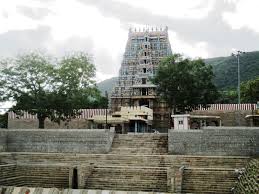
Madurai East also lies along the route leading toward the celebrated hill shrine of Kallazhagar Temple, located in the lush foothills northeast of the city. The temple, dedicated to Lord Vishnu as Kallazhagar, is one of the most revered pilgrimage sites in the Madurai region.
The temple plays a crucial role in the grand Chithirai festival, one of the largest religious celebrations in Tamil Nadu. During the festival, the deity is believed to travel from the hills toward the Vaigai river, symbolically joining the divine wedding celebrations of Meenakshi and Sundareswarar in the city.
Though the temple itself lies outside the constituency, the eastern routes through Madurai East serve as important corridors for pilgrims travelling to the shrine.
This geographical proximity gives the constituency a special connection to the religious life of the region.
Othakadai and Urban Expansion
A major urban node within Madurai East is Othakadai, an area that has rapidly grown into a residential and commercial suburb. Once a modest settlement on the outskirts of the city, Othakadai has developed into a bustling junction linking Madurai with surrounding towns and villages.
Educational institutions, hospitals and residential complexes have expanded in recent years as the city’s population spreads outward from the historic core.
This growth illustrates the broader transformation of Madurai from a traditional temple city into a modern metropolitan centre.
Agriculture on the City’s Edge
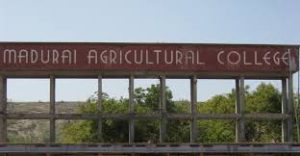
Despite rapid urbanisation, parts of Madurai East still retain an agricultural character. Villages surrounding the urban settlements cultivate paddy, banana and vegetables using irrigation from the Vaigai river system and local tanks.
These agricultural pockets provide fresh produce to city markets and help sustain the rural economy within the constituency.
The coexistence of farming landscapes and suburban neighbourhoods gives Madurai East a mixed identity that blends village life with city expansion.
Temple Networks and Local Faith
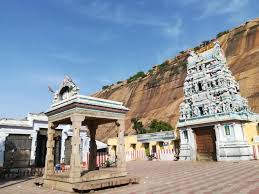
Madurai East is dotted with numerous temples that anchor community life. Shrines dedicated to Amman, Murugan and Vinayagar stand at important street corners and village centres.
One of the important temples in the region is the Narasimha Perumal Temple, which attracts devotees from surrounding neighbourhoods.
Temple festivals remain a major social event. Processions, devotional music and community gatherings continue to reinforce cultural traditions that link the expanding suburbs with Madurai’s ancient spiritual identity.
Faith remains deeply woven into the everyday life of the constituency.
Road Networks and Regional Connectivity
Madurai East occupies an important position along the highways connecting the city with the districts of Sivagangai and Ramanathapuram. These road networks support trade, transport and commuter movement.
The constituency therefore functions as an important gateway linking Madurai with eastern Tamil Nadu.
Transport infrastructure plays a crucial role in shaping the area’s economic growth and urban development.
Electoral Ledger:
Madurai East has experienced dynamic electoral contests reflecting the political currents of southern Tamil Nadu.
2011
Winner: R. B. Udhayakumar (AIADMK) — 1,05,094 votes
Second: P. Moorthy (DMK) — 83,279 votes
Third: S. Rajendran (DMDK) — 27,518 votes
Margin: 21,815 votes
2016
Winner: Moorthy P (DMK) — 108569 votes
Second: P. Pandi (ADMK) — 75797 votes
Third: Kalithasan P (CPI) — 11599 votes
Margin: 32772 votes
2021
Winner: P. Moorthy (DMK) — 1,22,729 votes
Second: Gopalakrishnan.R (AIADMK) — 73125 votes
Third: Latha .J (Naam Tamilar Katchi) — 17,668 votes
Margin: 49,604 votes
The constituency’s results often mirror the broader political mood of Madurai district.
Civic and Development Concerns
Residents of Madurai East frequently highlight several issues affecting daily life:
road expansion and traffic management in growing suburbs
reliable water supply for residential areas
protection of archaeological sites such as Yanaimalai
employment opportunities for young residents
Managing urban growth while preserving historical and natural landmarks remains a key challenge.
Cuisine and Local Traditions

Madurai’s celebrated culinary culture is equally present in the eastern parts of the city. Restaurants and roadside eateries serve the flavours that have made Madurai famous — including the iconic jigarthanda, savoury snacks and traditional South Indian meals prepared with fresh ingredients from nearby farms.
Food culture here reflects the lively and welcoming character of the city.
Political Temperament
Madurai East’s electorate is a mix of long-time residents, farmers from surrounding villages, students and professionals who commute to the city. Political mobilisation therefore reflects both rural and urban concerns.
Campaigns frequently address infrastructure development, employment opportunities and the preservation of cultural landmarks.
Voters in the constituency evaluate candidates through both civic performance and political credibility.
What Decides Madurai East
Three factors generally influence electoral outcomes:
Urban expansion
Infrastructure development affects suburban voters.
Cultural heritage
Protection of historic and religious sites matters deeply.
Regional connectivity
Transport corridors shape economic growth.
Madurai East voters balance tradition with aspirations for modern development.
Closing Frame
At sunrise, the granite silhouette of Yanaimalai glows above the city’s eastern horizon. Pilgrims travel along the road toward Azhagar’s hills while farmers begin their work in nearby fields. By evening the expanding suburbs fill with traffic, students and traders moving through the growing city.
Madurai East captures the moment where an ancient civilisation meets a modern metropolis.
When Madurai East votes, the verdict reflects both the enduring memory of the past and the restless momentum of a city moving forward
.