

Madurai South: Thiruparankundram’s Sacred Shadow, Vaigai Plains and the Expanding Southern Gate of the Temple City

- Tamil
- Hindi
- Malayalam
- Kannada
- Telugu
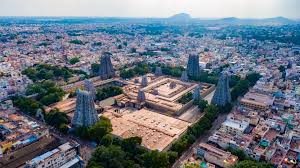
Constituency No. 192 | Madurai District | General
Madurai South forms the southern arc of one of Tamil Nadu’s most historic cities. If Madurai Central carries the sacred core of Meenakshi’s temple and the ancient market streets, the southern belt represents the city’s gateway toward the surrounding districts and the sacred hills that frame Madurai’s geography. The constituency spreads across neighbourhoods where old settlements meet expanding suburbs, where temple traditions coexist with modern residential growth and where the cultural memory of the city remains deeply rooted.
Madurai has for centuries stood as the cultural capital of southern Tamil Nadu, celebrated in Sangam literature, shaped by Pandya rule and transformed by Nayak architecture. Madurai South, lying along the city’s southern approach, reflects the continuing expansion of this ancient urban centre.
Here the spiritual landscape of the hills meets the everyday life of a growing city.
Southern Gate of the City
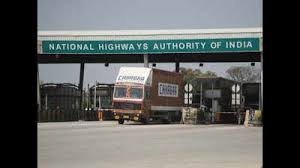
Madurai South occupies a strategic position along the road networks connecting Madurai with districts such as Virudhunagar, Theni and Tirunelveli. Highways passing through the constituency carry buses, traders and pilgrims who move between the temple city and the wider southern region.
Because of this location, the constituency functions as an important urban corridor where transport routes, residential neighbourhoods and commercial activity intersect.
The area has witnessed steady population growth as people migrate toward Madurai in search of employment, education and business opportunities.
Madurai South therefore represents the city’s expanding frontier toward the south.
Thiruparankundram and Sacred Geography
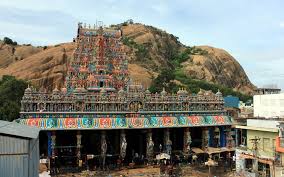
One of the most significant landmarks associated with the southern side of Madurai is the ancient hill temple of Thiruparankundram Murugan Temple, located in the neighbouring constituency but closely connected to the cultural landscape of Madurai South.
The temple is one of the six sacred abodes of Lord Murugan, known as the Arupadai Veedu, and attracts pilgrims from across Tamil Nadu. According to religious tradition, this is the place where Murugan married Deivanai after defeating the demon Surapadman.
The granite hill rising above the temple forms one of the most recognisable landmarks of Madurai’s skyline. Pilgrims travelling to the shrine often pass through the southern parts of the city, reinforcing the spiritual significance of the region.
The presence of Thiruparankundram strengthens the sacred geography surrounding Madurai.
Vaigai River Plains
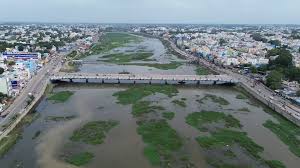
The southern districts of Madurai are nourished by the Vaigai river, which flows through the city before moving eastward across the plains. Though the river’s main course lies closer to the central and northern parts of the city, its irrigation networks historically supported agriculture across the wider Madurai region.
Fields of banana, vegetables and pulses once dominated many of the villages surrounding the city. While urbanisation has transformed parts of the constituency into residential neighbourhoods, agricultural activity continues in pockets along the outskirts.
The Vaigai remains an enduring symbol of Madurai’s relationship with water and cultivation.
Neighbourhood Temples and Community Life
Like every part of Madurai, the southern belt is dotted with temples that anchor community life. Shrines dedicated to Amman, Murugan and Vinayagar stand at busy junctions and residential streets, drawing devotees throughout the year.
Temple festivals remain an important cultural event. Streets are decorated with lights and arches while processions carrying deities move through neighbourhoods accompanied by traditional music.
These celebrations reinforce the deep religious traditions that have shaped Madurai’s identity across centuries.
Faith continues to influence the social life of the constituency.
Markets and Urban Growth
Madurai South has experienced steady commercial growth as the city expanded beyond its historic centre. Retail shops, restaurants and small industries have developed along major roads connecting the area with the rest of the city.
Markets selling vegetables, flowers and household goods serve the growing population. The proximity to the central city ensures that trade flows continuously between neighbourhoods.
Urban expansion has also led to the development of new housing colonies and educational institutions, attracting families from across southern Tamil Nadu.
Madurai South therefore reflects the evolving character of the city as it adapts to modern urban pressures.
Cuisine and Local Flavours
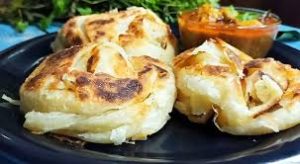
Food culture in Madurai South mirrors the vibrant culinary traditions for which the city is famous. Restaurants and street stalls serve dishes that have become synonymous with Madurai’s gastronomic identity.
Among the most famous is jigarthanda, a rich chilled drink made with milk, almond gum and ice cream. Equally popular are spicy meat curries, parotta-based meals and traditional vegetarian dishes served in local eateries.
Food culture remains an integral part of the city’s everyday life.
Madurai’s cuisine reflects the warmth and hospitality of its people.
Electoral Ledger:
Madurai South has witnessed competitive electoral contests reflecting the vibrant political environment of the city.
2011
Winner: A. K. Bose (AIADMK) — 96,701 votes
Second: M. S. S. Pandian (DMK) — 80,978 votes
Third: R. Kumar (DMDK) — 26,842 votes
Margin: 15,723 votes
2016
Winner: Saravanan S.S (AIADMK) — 62683 votes
Second: Balachandran M (DMK) — 38920 votes
Third: Boominathan M (MDMK) — 19443 votes
Margin: 23763 votes
2021
Winner: BooMinathan. M (DMK) — 62,812 votes
Second: Saravanan . S.S (AIADMK) — 56,297 votes
Third: Eswaran.G (MNM) — 12,821 votes
Margin: 6,515 votes
The constituency’s electoral results often mirror broader political shifts across Madurai district.
Civic and Development Concerns
Residents frequently highlight several issues affecting daily life in the constituency:
traffic congestion along major roads
drinking water supply for growing residential areas
waste management and sanitation
expansion of public transport networks
Managing urban growth while maintaining infrastructure remains an ongoing challenge.
Political Temperament
The electorate of Madurai South includes traders, small business owners, government employees, students and long-time residents of the city. Political mobilisation often occurs through neighbourhood associations, temple committees and trade groups.
Campaigns frequently address infrastructure development, employment opportunities and the improvement of civic amenities.
Voters in the constituency tend to evaluate political leadership through the lens of urban governance.
What Decides Madurai South
Three factors typically shape electoral outcomes:
Urban infrastructure
Roads, water supply and drainage influence daily life.
Economic opportunities
Trade and small business activity shape voter sentiment.
Religious and cultural identity
The sacred landscape surrounding Madurai continues to influence public life.
Madurai South voters balance tradition with aspirations for modern development.
Closing Frame
As dawn breaks over the southern skyline of Madurai, buses begin their journeys toward distant towns while pilgrims travel toward the sacred hill of Thiruparankundram. Markets open along busy streets and the aroma of morning meals fills the air.
Madurai South stands at the gateway of an ancient city that continues to grow and transform.
When Madurai South votes, the verdict reflects the voice of a community shaped by history, devotion and the restless energy of urban life.