


Washington, May 12:
Iran and the United States remain deadlocked over how to permanently end their ongoing conflict, even as a fragile ceasefire faces increasing strain from renewed violence across the Middle East.
Recent days have seen exchanges of fire between the two sides, attacks on ships and Gulf states, and escalating clashes between Israel and the Lebanese militant group Hezbollah.
The continuing tensions threaten to push the region back into full-scale war while worsening the global energy crisis caused by disruptions in oil and gas supplies.
Iran continues to control access through the Strait of Hormuz, a vital route for global energy exports, while the United States maintains a blockade on Iranian ports.
Rising instability has already driven fuel prices sharply higher and unsettled world markets.
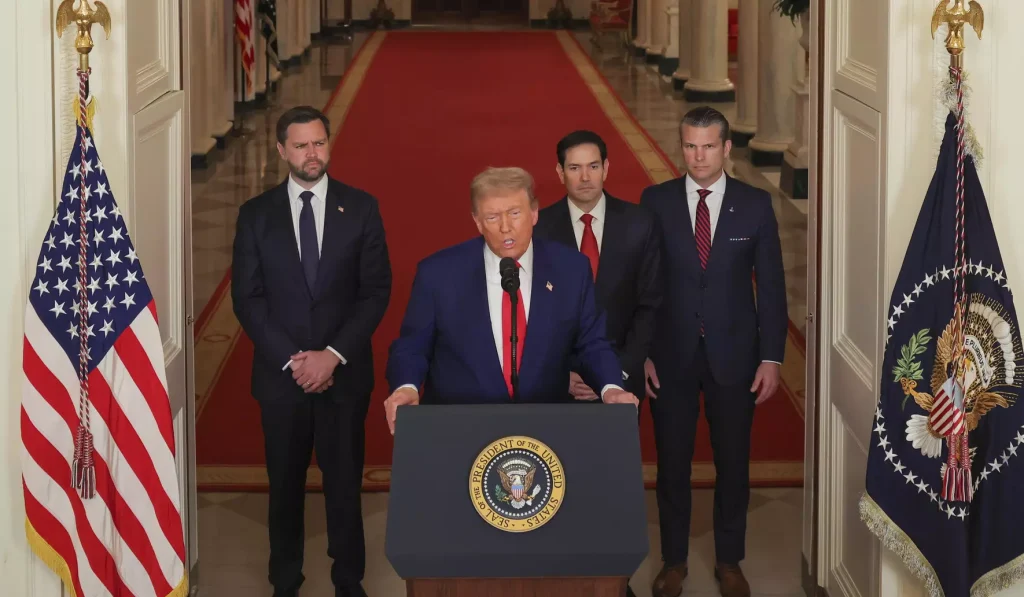
US President Donald Trump is expected to raise the issue during his upcoming trip to China, where he hopes President Xi Jinping will pressure Iran into making concessions.
China remains the largest buyer of sanctioned Iranian oil, giving Beijing significant influence over Tehran.
However, major disagreements continue to block progress.
Iran insists that the United States must first end sanctions and lift the blockade before any serious negotiations on its nuclear programme can begin.
The US and Israel demand that Iran surrender or remove its stockpile of highly enriched uranium, arguing it could eventually be used to build nuclear weapons.
Iran maintains that its nuclear programme is peaceful, although it has enriched uranium beyond civilian energy requirements.
Trump recently rejected a new Iranian proposal, calling it “totally unacceptable.” According to Iranian media, the proposal demanded war reparations from the US, full Iranian sovereignty over the Strait of Hormuz, the release of frozen Iranian assets, and an end to sanctions.
Iran also called for an immediate halt to regional fighting, including clashes between Israel and Hezbollah.
Israeli Prime Minister Benjamin Netanyahu warned that the conflict is “not over” and said military action could resume if diplomacy fails. Meanwhile, Russia has offered to take custody of Iran’s enriched uranium as part of a possible agreement.
Amid the tensions, Iran continues its internal crackdown, executing another man accused of spying for the CIA and Israel’s Mossad intelligence agency.
Human rights groups have criticised Iran for conducting secretive trials and increasing executions following nationwide unrest earlier this year.