

Chennai, Nov 27:
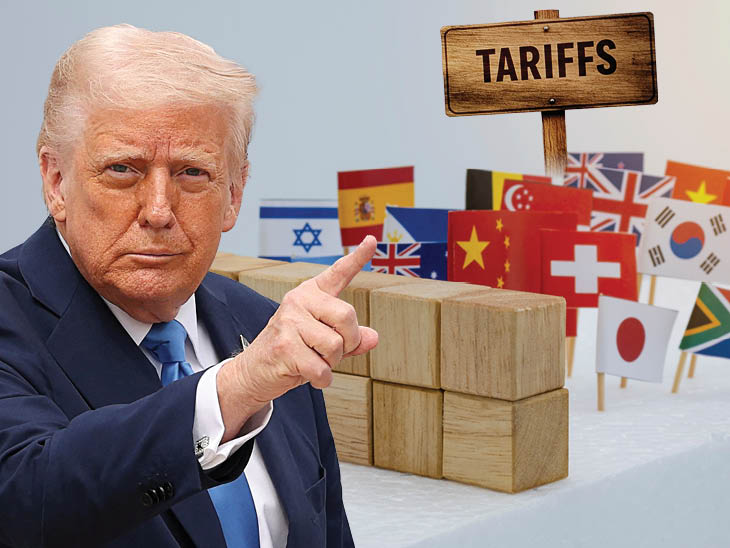
China, Japan and several other US trading partners have pushed back against the Trump administration’s proposed tariff increases, rejecting Washington’s allegations that their manufacturing sectors suffer from excess production capacity.
The proposed duties, announced on Wednesday, could come into effect early next year following a month-long investigation under Section 301 of the US Trade Act. The move is aimed at restoring tariffs on several economies after the US Supreme Court struck down most of the sweeping duties introduced by President Donald Trump last year in February.
US Trade Representative Jamieson Greer said the investigation had found that manufacturing policies and practices in 14 economies relating to excess production were unreasonable and restricted American commerce.
China faces a proposed tariff rate of 20 per cent, which could rise to 40 per cent if Washington determines that Beijing has not made sufficient efforts to address its concerns.
Beijing strongly criticised the allegations, describing the argument of manufacturing overcapacity as unfounded. Chinese Foreign Ministry spokesperson Guo Jiakun said the US should not use the issue as an excuse for political pressure, warning that trade and tariff conflicts would benefit neither country.
He also said China would take appropriate steps to protect its economic interests.
The latest announcement comes even as Washington and Beijing have extended their existing trade truce by two months, beyond its January 10, 2027, expiry date. Both sides have also agreed to reduce duties on selected non-sensitive products with a combined trade value of approximately $60 billion.
Japan has also objected to the proposed measures, which could expose its exports to tariffs of up to 15 per cent. Chief Cabinet Secretary Minoru Kihara said Tokyo had formally conveyed its protest to Washington, rejecting claims that Japanese manufacturing benefited from unfair market practices or excessive production capacity.
Singapore, which could face tariffs of up to 20 per cent, expressed disappointment with the proposal. Its Ministry of Energy, Trade and Industry maintained that the country neither shields its domestic market through protectionist policies nor subsidises manufacturing exports.
Malaysia similarly rejected the allegations, arguing that its manufacturing industries did not generate excess capacity capable of distorting international markets. The country said it would continue discussions with Washington.
Vietnam, which faces potential tariffs of up to 35 per cent, said negotiations with the US over a trade agreement were continuing.
The latest developments underline the growing uncertainty surrounding international trade relations, with several major Asian economies now seeking to protect their export interests while avoiding a wider confrontation with Washington.