

Mudhukulathur: Maravar Heartland, Drought Plains and the Political Memory of Ramanathapuram
 By Mahalakshmi
- Tamil
- Hindi
- Malayalam
- Kannada
- Telugu
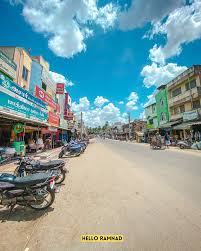
Constituency No. 212 | Ramanathapuram District | General
Mudhukulathur lies in the dry plains of Ramanathapuram district, a landscape shaped less by rivers than by resilience. Unlike the lush Cauvery delta or the fertile Kongu belt, this region belongs to Tamil Nadu’s arid southeast, where agriculture depends heavily on rainfall, tanks and groundwater. Yet the constituency occupies a powerful place in the political history of the state.
Mudhukulathur is widely remembered for the historic 1957 by-election and the communal tensions that followed, an episode that deeply influenced the political trajectory of Ramanathapuram district and Tamil Nadu’s Dravidian era politics. The constituency therefore carries both historical weight and contemporary political importance.
Geographically close to the Gulf of Mannar coast and socially rooted in the traditions of the Maravar community, Mudhukulathur represents a region where identity, memory and rural life shape the electoral landscape.
The 1957 Mudhukulathur By-Election
Few constituencies in Tamil Nadu are remembered as strongly for a single political episode as Mudhukulathur. In 1957, a by-election here became the centre of a major political confrontation between two influential leaders of the time — Pasumpon Muthuramalinga Thevar of the Forward Bloc and Congress leader Immanuel Sekaran.
The election intensified existing social tensions in the region and was followed by violent clashes that left a deep imprint on the political history of Ramanathapuram district. The episode remains one of the most widely discussed moments in Tamil Nadu’s post-Independence electoral history.
Even decades later, the memory of those events continues to influence political discourse in the region.
Dryland Agriculture
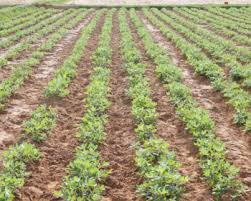
Agriculture in Mudhukulathur reflects the challenges of the arid Ramanathapuram landscape. Farmers cultivate crops suited to dry conditions such as millets, pulses, groundnut and cotton, depending largely on seasonal rainfall.
Traditional irrigation tanks scattered across the constituency store monsoon water that supports cultivation during dry months. These tanks have historically played a crucial role in sustaining rural life in the region.
Livestock rearing, particularly goats and cattle, supplements agricultural income for many families.
The rural economy therefore depends on a delicate balance between rainfall, groundwater and traditional farming practices.
Sacred Landscape of the Ramanathapuram Belt

Religion continues to play an important role in the cultural life of Mudhukulathur. Numerous temples dedicated to Amman, Murugan and village guardian deities stand across the constituency’s villages.
The broader Ramanathapuram region is closely associated with the pilgrimage route leading to Ramanathaswamy Temple, one of the most sacred Shiva temples in India and part of the Char Dham pilgrimage circuit.
Though the temple lies further east on the island of Rameswaram, the cultural influence of this pilgrimage centre extends across the district, including the Mudhukulathur region.
Village temples host annual festivals featuring processions, folk music and community gatherings that reinforce traditional bonds.
Community and Social Identity
The constituency is often described as part of the Maravar heartland of Ramanathapuram district. Community identity has historically played a strong role in shaping political mobilisation here.
Village networks, caste associations and local leadership often influence electoral alignments. Political parties therefore pay close attention to community dynamics during campaigns.
Despite these complexities, the electorate also responds strongly to issues such as employment, infrastructure and agricultural welfare.
Transport and Rural Connectivity
Mudhukulathur lies along roads connecting Paramakudi, Ramanathapuram and Kamuthi, enabling the movement of agricultural produce and goods across the district. Buses connect the villages with nearby towns where markets and administrative offices are located.
Improving rural road networks has been a recurring demand from residents seeking better access to education, healthcare and employment opportunities.
Transport infrastructure therefore remains an important development priority.
Electoral Ledger:
Mudhukulathur has witnessed competitive contests reflecting the shifting political landscape of southern Tamil Nadu.
2011
Winner: M. Murugan (AIADMK) — 83,721 votes
Second: V. Sathiyamoorthy (DMK) — 75,219 votes
Third: S. Rajendran (DMDK) — 23,614 votes
Margin: 8,502 votes
2016
Winner: S. Pandi (INC) — 94946 votes
Second: M.Keerthika (ADMK) — 81598 votes
Third: P.Rajkumar (MDMK) — 8800 votes
Margin: 13348 votes
2021
Winner: R. S. Rajakannappan (DMK) — 1,01,901 votes
Second: Keerthika Muniyasamy (AIADMK) — 81,180 votes
Third: M.Murugan (AMMK)— 19,699 votes
Margin: 20,721 votes
The constituency often reflects broader electoral trends across Ramanathapuram district.
Civic and Development Concerns
Residents frequently highlight several key issues:
water scarcity and irrigation management
employment opportunities for youth
improvement of rural roads and transport
strengthening educational and healthcare facilities
Given the region’s dry climate, water security remains the most critical concern.
Political Temperament
The electorate of Mudhukulathur includes farmers, livestock herders, traders and government employees. Political mobilisation often occurs through village networks and community organisations.
Campaigns frequently focus on agricultural support policies, water management and rural development programmes.
Local leadership and community credibility often influence voter preferences.
What Decides Mudhukulathur
Three factors usually shape electoral outcomes:
Community identity
Social networks play a significant role in mobilisation.
Water and agriculture
Farmers depend heavily on rainfall and tank irrigation.
Local leadership
Strong grassroots leaders often influence the outcome.
Mudhukulathur voters therefore balance historical memory with contemporary development needs.
Closing Frame
Across the dry plains of Ramanathapuram, farmers watch the skies for rain while temple festivals bring villages together in celebration. The land may be harsh, but its people carry a strong sense of identity shaped by history and tradition.
Mudhukulathur stands as a constituency where memory and resilience define political life.
When Mudhukulathur votes, the verdict reflects the voice of a region whose past continues to echo across the politics of Tamil Nadu.