

Kilvaithinankuppam: Agrarian Quietude in the Shadow of Vellore’s Historic Fort

- Tamil
- Hindi
- Malayalam
- Kannada
- Telugu

Constituency No. 45 | Vellore District | Scheduled Caste (Reserved)
Kilvaithinankuppam lies in the interior belt of Vellore district where fertile plains, irrigation tanks and temple-centred villages define everyday life. Unlike the bustling railway junctions and industrial clusters of neighbouring constituencies, Kilvaithinankuppam retains a largely rural character. Agriculture, village markets and local temple festivals shape the rhythm of this constituency.
Situated not far from the historic city of Vellore, Kilvaithinankuppam occupies a landscape where history, agriculture and modest rural enterprise coexist. Farmers cultivate paddy and sugarcane, while nearby towns provide markets for produce and employment opportunities.
In Kilvaithinankuppam, politics often revolves around the land and the livelihoods it sustains.
Fields, Tanks and Village Economy
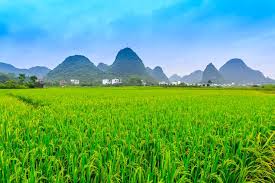
Agriculture remains the backbone of Kilvaithinankuppam. Paddy fields stretch across the countryside, supported by irrigation tanks and seasonal monsoon rains. Sugarcane, groundnut and millets are also cultivated in parts of the constituency.
Traditional water bodies — village tanks and canals — play a crucial role in sustaining crops. Their maintenance and desilting often become important civic demands raised by farmers.
Weekly markets in nearby towns allow cultivators to sell produce while purchasing agricultural supplies and household goods.
In Kilvaithinankuppam, water availability often shapes political sentiment.
Temple Traditions and Local Faith

Religion remains deeply embedded in village life across the constituency. Mariamman temples, Murugan shrines and Ayyanar guardian deities stand at the centre of community identity.
Festival seasons transform villages with colourful processions, folk music and communal meals. Such gatherings reinforce social bonds and also serve as informal platforms for political engagement.
The region’s cultural landscape is therefore anchored in temple traditions and rural rituals.
Faith here remains intertwined with everyday life.
Historic Vellore Influence

Although largely rural, Kilvaithinankuppam lies within the wider historical orbit of Vellore. The nearby Vellore Fort remains one of South India’s most significant fortifications, associated with the famous Vellore uprising of 1806 during early colonial rule.
The fort complex today houses museums, temples and administrative institutions, attracting visitors and reminding the region of its layered past.
For residents of Kilvaithinankuppam, Vellore functions as the nearest urban hub for commerce, education and healthcare.
Education and Local Institutions
Government schools and colleges in nearby towns provide educational opportunities for students from the constituency. Many young people travel daily to Vellore for higher education and employment.
Education has gradually expanded aspirations across the rural belt, encouraging migration toward urban professions while still maintaining ties to agriculture.
This blend of rural roots and educational mobility shapes the constituency’s demographic profile.
Electoral Ledger:
Kilvaithinankuppam has seen electoral contests that reflect the broader political shifts in northern Tamil Nadu.
2011
Winner: K. Loganathan (AIADMK) — 82,417 votes
Second: S. Ramesh (DMK) — 70,214 votes
Third: R. Kumar (DMDK) — 23,148 votes
Margin: 12,203 votes
2016
Winner: Loganathan G (AIADMK) — 75612 votes
Second: Amalu V (DMK) — 65866 votes
Third: Kusala Kumari (PMK) — 13046 votes
Margin: 9746 votes
2021
Winner: Jaganmoorthi. M (ADMK) — 84,579 votes
Second: K.Seetharaman (DMK) — 73,997 votes
Third: Divya Rani. J (Naam Tamilar Katchi) — 10,027 votes
Margin: 10,582 votes
Alliance dynamics once again reshaped the electoral balance.
Kilvaithinankuppam voters have demonstrated a willingness to shift with changing political winds.
Civic and Development Concerns
Residents often highlight several key issues:
Desilting and restoration of irrigation tanks.
Rural road connectivity linking villages to Vellore town.
Access to drinking water and sanitation infrastructure.
Employment opportunities for rural youth.
Balancing agricultural stability with educational advancement remains an ongoing challenge.
Cuisine and Rural Flavour
Food culture here reflects the simplicity of agrarian Tamil Nadu — rice meals accompanied by lentil-based gravies, locally grown vegetables and seasonal produce.
During temple festivals, traditional sweets and communal meals become part of the celebration.
Cuisine mirrors the rhythms of village life.
Political Temperament
Kilvaithinankuppam’s electorate tends to prioritise accessibility and grassroots engagement from political leaders. Farmers, agricultural labourers and village communities play a decisive role in shaping electoral outcomes.
Campaigns often revolve around local issues rather than dramatic statewide narratives.
Politics here remains grounded in village realities.
What Decides Kilvaithinankuppam
Three factors typically influence electoral outcomes:
Agricultural welfare.
Water management and crop support remain crucial.
Rural infrastructure.
Roads, schools and public services affect daily life.
Alliance arithmetic.
Statewide coalitions influence constituency margins.
Kilvaithinankuppam rarely delivers impulsive verdicts.
Closing Frame
Morning light spreads across green paddy fields while farmers begin their work beside irrigation tanks. Temple bells echo through quiet villages as markets prepare for the day’s trade. Buses carry students toward nearby towns for education and employment.
Kilvaithinankuppam represents the steady rhythm of rural Tamil Nadu — a constituency where land, faith and community continue to shape political choices.
When Kilvaithinankuppam votes, the verdict rises from its fields.