

Madurantakam: The Great Lake, Eri-Kaatha Ramar and a Historic Vaishnavite Town on the Southern Gateway of Chennai
 By Nandhini
- Tamil
- Hindi
- Malayalam
- Kannada
- Telugu
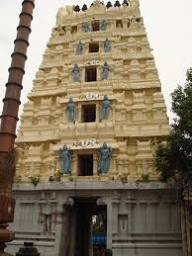
Constituency No. 35 | Chengalpattu District | Scheduled Caste (Reserved)
Madurantakam is one of the most historically resonant constituencies in northern Tamil Nadu. Situated along the Grand Southern Trunk (GST) highway corridor, it stands at the meeting point of pilgrimage, agriculture, trade and the expanding influence of Chennai’s southern suburbs. The constituency is known across the region for two enduring landmarks: the vast Madurantakam Lake, one of the largest irrigation tanks in Tamil Nadu, and the revered Eri-Kaatha Ramar Temple, a shrine that occupies a special place in Vaishnavite lore.
For centuries Madurantakam has functioned as a settlement shaped by water, devotion and trade. Its lake sustained agriculture across surrounding villages, while temple culture shaped the town’s spiritual and social life. Even today, as highways and rail lines link the area more closely with Chennai, the constituency continues to carry the weight of that layered history.
The Great Madurantakam Lake

At the heart of the constituency lies the Madurantakam Lake, an enormous irrigation reservoir historically vital to the agrarian economy of the region. Spreading across hundreds of acres during full monsoon seasons, the lake has long been a life-line for farmers cultivating paddy fields in the surrounding plains.
For generations, the tank system fed irrigation channels that watered agricultural lands in several villages. Even today, the lake remains a powerful symbol of the constituency’s identity. When the monsoon fills the reservoir, it transforms the landscape and reminds residents of the region’s traditional dependence on water management.
Local politics often revolves around the health of this water body—desilting, bund protection, encroachments and water management continue to be important issues.
Eri-Kaatha Ramar: The Temple that Protected the Lake
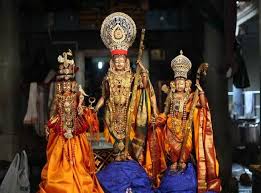
The Sri Eri-Kaatha Ramar Temple gives Madurantakam its spiritual identity. The name itself translates to “Rama who protected the lake,” reflecting a famous local legend. According to tradition, when the lake bund was once in danger of breaching during heavy rains, Lord Rama is believed to have appeared and guarded the embankment, preventing a disaster. Since then, the deity has been worshipped as the protector of the lake and the surrounding settlements.
The temple is an important Vaishnavite shrine and draws devotees from across northern Tamil Nadu. The sanctum houses Lord Rama with Sita and Lakshmana, and the temple tank, corridors and festival processions form a central part of the town’s religious life.
Vaishnavite traditions connected with the temple continue through annual festivals, devotional recitations and temple car processions. These events keep Madurantakam firmly within the broader cultural geography of Tamil Nadu’s temple towns.
A Vaishnavite Cultural Landscape
Madurantakam has long been associated with Vaishnavite spiritual traditions, with the temple forming a centre for devotional practices, ritual gatherings and religious scholarship in earlier centuries. The town’s streets still carry the imprint of temple culture—flower vendors, prasad shops, festival decorations and pilgrim movement during major celebrations.
While Vaishnavism dominates the town’s sacred identity, the constituency also hosts temples dedicated to Amman, Shiva and Murugan in surrounding villages. These shrines sustain local festivals that blend devotion with folk traditions.
The result is a cultural landscape where religious observance remains deeply integrated with everyday life.
GST Highway and Modern Connectivity
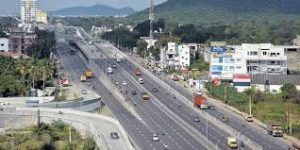
Madurantakam’s modern importance comes partly from its position along the GST highway, the principal road corridor linking Chennai with southern Tamil Nadu. The highway passes through the constituency, carrying a constant flow of buses, lorries, private vehicles and travellers heading toward districts farther south.
The Chennai–Tiruchirappalli railway line also passes through the region, strengthening its connectivity with the capital city. These transport links have gradually expanded the town’s commercial role, attracting traders, small hotels and roadside businesses that cater to travellers.
Because of this location, Madurantakam functions as both a temple town and a transit centre.
Agriculture and Rural Economy

Despite highway development, agriculture remains the backbone of many villages within the constituency. Paddy cultivation dominates the agrarian landscape, supported by irrigation from the great lake and smaller tanks. Farmers also cultivate groundnut and seasonal crops depending on rainfall patterns.
Local weekly markets serve as trading hubs where farmers bring produce, livestock and household goods. Dairy farming and small livestock activities supplement agricultural income for many families.
The rural economy still shapes the constituency’s social structure, even as urban influences grow.
Commerce and Town Life
Madurantakam town functions as the commercial centre for surrounding villages. Market streets, textile shops, vegetable vendors, fertiliser stores and eateries form a lively commercial core. Pilgrimage tourism linked to the Ramar temple further supports the town’s economy.
Roadside restaurants and small lodges serve travellers moving along the GST corridor, giving the town a steady flow of visitors.
In recent years, the rise of educational institutions and service businesses has added new layers to the local economy.
Civic and Development Issues
As the population grows and highway traffic increases, Madurantakam faces several civic challenges. Road maintenance, drinking-water supply and waste management are frequently raised concerns among residents. Protection of the lake and restoration of irrigation channels remain crucial for farmers.
Flood control and bund safety are also recurring topics because of the lake’s size and historical importance.
Balancing development along the highway with protection of agricultural lands and water bodies is one of the constituency’s central governance questions.
Electoral Ledger
2011
Winner — S. Pugazhenthi (AIADMK) — 88,765 votes
Runner-up — K. Sundar (DMK) — 72,334 votes
Third — R. Ramesh (DMDK) — 21,112 votes
Winning Margin — 16,431 votes
2016
Winner — S. Pugazhenthi (DMK) — 73693 votes
Runner-up — C.K. Thamizharasan (ADMK) — 70736 votes
Third — E.Adhikesavan (PMK) — 16215 votes
Winning Margin — 2957 votes
2021
Winner — Maragatham. K (AIADMK) — 86,646 votes
Runner-up — Sathya. C.E (DMK) — 83,076 votes
Third — Sumitha. P (Naam Tamilar Katchi) — 9,293 votes
Winning Margin — 3,570 votes
What Decides Madurantakam
Several forces shape electoral outcomes in this historic constituency:
Water and agriculture: The health of the Madurantakam lake and irrigation networks directly affects farming communities.
Temple economy: Pilgrimage and temple-linked commerce influence local livelihoods.
Highway development: Businesses along the GST corridor respond to transport infrastructure and economic policy.
Rural welfare: Government schemes for farmers, labourers and rural households remain politically significant.
Urban spillover: Proximity to Chennai brings expectations of better roads, schools and civic amenities.
Closing Frame
Madurantakam stands as a reminder that Tamil Nadu’s political geography is often built around water and worship. The great lake nourished fields for centuries, while the temple of Eri-Kaatha Ramar nurtured faith and legend. Today highways and railways bring travellers and commerce, but the constituency still carries the imprint of its older identity.
When Madurantakam votes, it speaks not only as a developing transit town but also as a historic settlement where water, faith and agriculture continue to shape public life.