

Uthiramerur: Cradle of Grassroots Democracy and the Sacred Seat of Sundara Varadaraja Perumal
 By Nandhini
- Tamil
- Hindi
- Malayalam
- Kannada
- Telugu
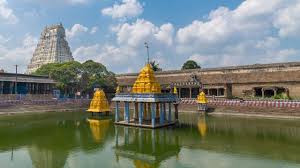
Constituency No. 36 | Kancheepuram District | General
Uthiramerur occupies a unique place in Tamil Nadu’s historical and cultural landscape. Situated in Kancheepuram district, the constituency combines ancient temple heritage, agrarian life and one of the earliest known models of village self-governance in India. The town is widely celebrated for inscriptions that describe an elaborate system of local administration practiced more than a thousand years ago, making Uthiramerur synonymous with the idea of grassroots democracy in ancient Tamil society.
Beyond this historical significance, the constituency is also a revered religious centre. The Sundara Varadaraja Perumal Temple, one of the Divyadesams of the Vaishnavite tradition, stands here with its distinctive Ashtanga Vimanam, a rare architectural form associated with Pallava and later Chola temple craftsmanship. Devotees, scholars and travellers continue to visit the temple, keeping the town firmly rooted in spiritual tradition.
Thus Uthiramerur represents a constituency where history, religion and rural economy converge in a distinctive and enduring way.
Cradle of Ancient Democracy
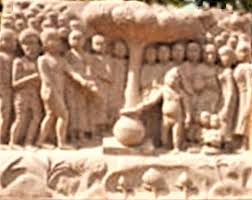
Uthiramerur’s most remarkable claim to fame lies in the historic inscriptions describing local self-government. These stone records, dating back to the Pallava and Chola periods, outline a structured system through which village assemblies selected representatives to manage public affairs.
The inscriptions describe eligibility rules, qualifications for office, committee structures and even procedures for disqualification. The famous kudavolai method, where names were drawn from a pot to select members of village committees, illustrates the organised civic culture of the period.
For historians and political thinkers, Uthiramerur stands as an early example of democratic practices at the village level, centuries before modern electoral systems took shape.
Sundara Varadaraja Perumal Divyadesam
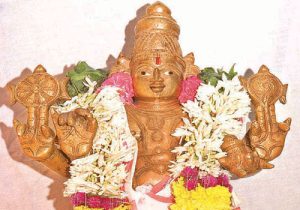
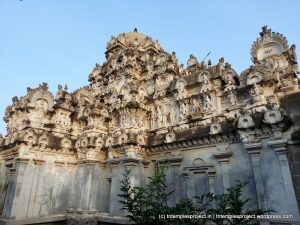
The spiritual centre of the constituency is the Sundara Varadaraja Perumal Temple, one of the sacred Divyadesams celebrated in the hymns of the Alvars. The temple is revered within the Sri Vaishnavite tradition and continues to attract pilgrims from across the region.
One of the most distinctive features of this shrine is the Ashtanga Vimanam, a rare temple tower design associated with classical South Indian temple architecture. The structure reflects the artistic and architectural sophistication of early dynasties that patronised temple building in this region.
Temple festivals bring large numbers of devotees, and the streets surrounding the temple remain lively during major religious occasions.
Pallava and Chola Heritage
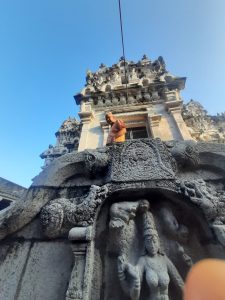
The temple architecture and inscriptions of Uthiramerur reflect the influence of the Pallava dynasty, whose rule over northern Tamil Nadu left a lasting imprint on the region. Later Chola rulers also contributed to the development of the town’s temples and civic institutions.
These dynastic layers have created a rich historical environment where religion, governance and architecture intersect. Even today, inscriptions preserved on temple walls continue to be studied by historians and epigraphists.
Agriculture and Village Economy
Beyond its historic core, the constituency remains largely rural. Agriculture forms the backbone of the local economy, with paddy cultivation dominating the landscape thanks to irrigation from tanks and canals connected to the regional water system.
Farmers also cultivate groundnut, sugarcane and vegetables in certain pockets. Village markets provide spaces where agricultural produce is bought and sold, sustaining local livelihoods.
The agricultural rhythm of the countryside remains central to everyday life in the constituency.
Temple Town Markets
The streets around the Sundara Varadaraja Perumal Temple host small shops selling flowers, coconuts, prasadam items and devotional articles. Pilgrims visiting the temple contribute to the modest commercial activity of the town.
Local eateries, tea stalls and provision stores serve residents as well as travellers passing through the region.
Road Links and Regional Access
Uthiramerur lies within reach of important towns such as Kancheepuram, Chengalpattu and Chennai. Road networks connect the constituency with these urban centres, allowing residents to travel for education, employment and trade.
Improved transport links have gradually increased the constituency’s integration with the wider economic activity of northern Tamil Nadu.
Electoral Ledger
2011
Winner – K. Sundar (AIADMK) – 93,346 votes
Second – K. S. Arumugam (DMK) – 82,304 votes
Third – R. Karthikeyan (DMDK) – 16,572 votes
Winning Margin: 11,042 votes
2016
Winner – K. Sundar (DMK) – 85513 votes
Second – Ganesan P (ADMK) – 73357 votes
Third – Gangadharan . Pon (PMK) – 24221 votes
Winning Margin: 12156 votes
2021
Winner – K. Sundar (DMK) – 93427 votes
Second – Somasundaram V (ADMK) – 91805 votes
Third – Kamacthi S. (Naam Tamilar Katchi) – 11405 votes
Winning Margin: 1622 votes
The constituency has witnessed competitive contests between the Dravidian parties, reflecting an engaged rural electorate.
Development Concerns
Residents frequently emphasise several key priorities:
• restoration and maintenance of irrigation tanks
• preservation of historic temple sites and inscriptions
• improved roads linking villages with larger towns
• better educational and healthcare facilities in rural areas
Balancing heritage conservation with modern development remains a central challenge.
Closing Frame
Uthiramerur is a rare constituency where ancient civic ideals, sacred temple tradition and rural livelihoods coexist within the same landscape. The inscriptions that once guided village governance still stand on temple walls, while the Sundara Varadaraja Perumal temple continues to draw pilgrims and scholars alike.
It is a place where the past speaks clearly through stone and ritual.
When Uthiramerur votes, it echoes a legacy of civic participation stretching back more than a millennium — a reminder that democratic traditions in this land run deeper than modern politics alone.