


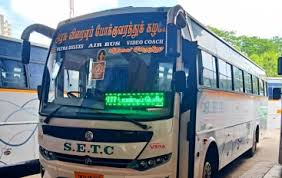
 The financial struggles of Tamil Nadu’s state-owned transport corporations remain unresolved despite measures such as bus fare hikes. Key indicators show a decline in operational efficiency and increased losses over the years.
Between 2017-18 and 2021-22, employee expenses surged from 55.20% to 63.55% of the corporations’ total expenditure. Simultaneously, the number of buses in operation decreased from 22,517 to 20,304. Aging buses in the fleet increased from 46.47% to 69.05%, further impacting operational efficiency.
The corporations’ cumulative debt has risen to ₹21,980 crore due to unsustainable practices. In 2021-22, the total revenue of the state’s eight transport corporations was ₹9,661.26 crore, while cumulative losses amounted to a staggering ₹48,478.50 crore.
The last major fare hike in January 2018 saw fares increase by up to 88.89%. However, this failed to generate sufficient revenue as passenger numbers dropped by 10-15%, leading to a revenue loss of ₹4,077 crore. This decline highlighted the adverse effect of steep fare hikes without addressing service quality and operational inefficiencies.
Employee funds amounting to ₹4,500 crore have been used for daily operations, a practice that has drawn criticism for being financially unsustainable and misaligned with sound management practices.
The state transport corporations must address aging infrastructure, rising operational costs, and the need for strategic fare adjustments to recover financially. Without a sustainable turnaround strategy, the mounting losses and debt could further strain public resources.