


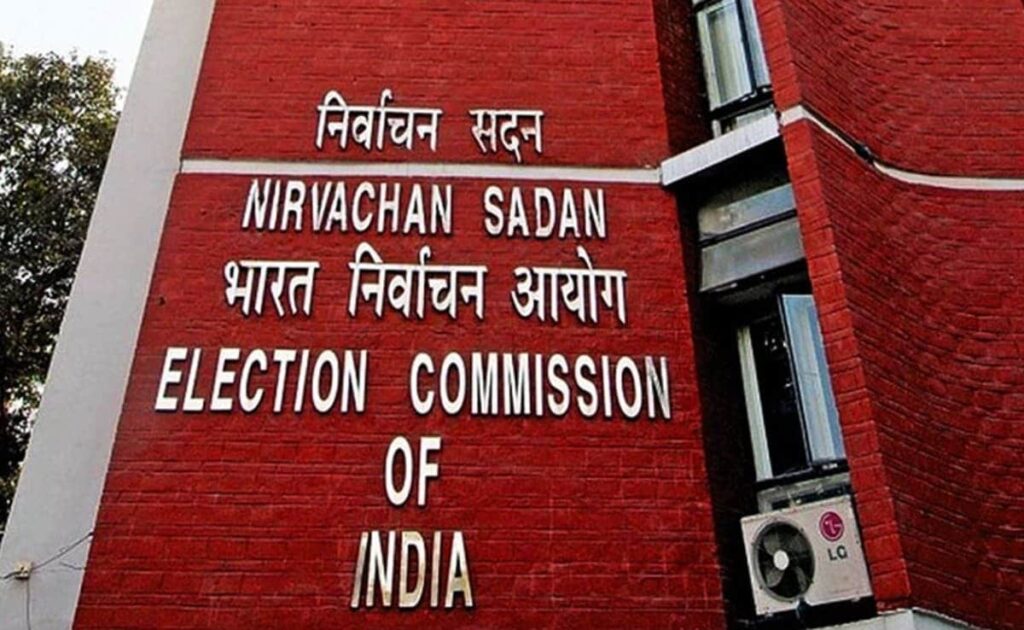
 The Bihar Assembly elections 2025 are scheduled to take place after Chhath Puja, with voting expected to be held in three phases from November 5 to November 15, according to sources familiar with the matter. The current Assembly’s term ends on November 22, 2025, making it necessary to complete the elections before this date.
Chief Election Commissioner Gyanesh Kumar is set to visit Bihar next week to review preparations for the elections. The final voter list will be published on September 30, providing the official record of eligible voters for the upcoming polls.
The elections follow a Special Intensive Revision exercise conducted by the Election Commission, which led to the removal of around 65 lakh names from the draft voter list. This move has sparked political tensions, with the INDIA bloc criticizing the process, alleging that it could disenfranchise genuine voters. The Supreme Court has warned that it may annul the entire process if any illegality is found, even after the final list is released.
Bihar is expected to continue the trend of multi-phase polling, as seen in previous elections. In 2020, voting was held in three phases on October 28, November 3, and November 7, with results declared on November 10. The 2015 elections were conducted in five phases.
This year, the main contest is expected to be between the ruling National Democratic Alliance (NDA) and the opposition INDIA bloc. The NDA, comprising parties such as the BJP and Janata Dal (United), is likely to announce its seat-sharing formula soon, with the BJP and JD(U) expected to contest an equal number of seats. The INDIA bloc is also finalizing its strategy to present a united front against the ruling alliance.
As election dates approach, political campaigns are intensifying across the state, with parties reaching out to voters and highlighting their agendas. Observers are closely watching the final voter list and the Election Commission’s actions to ensure a free, fair, and transparent electoral process.
The Bihar Assembly elections 2025 will be a critical political event, shaping the future governance of the state and influencing political alliances ahead of the next general elections.