


Mumbai, Oct 5:
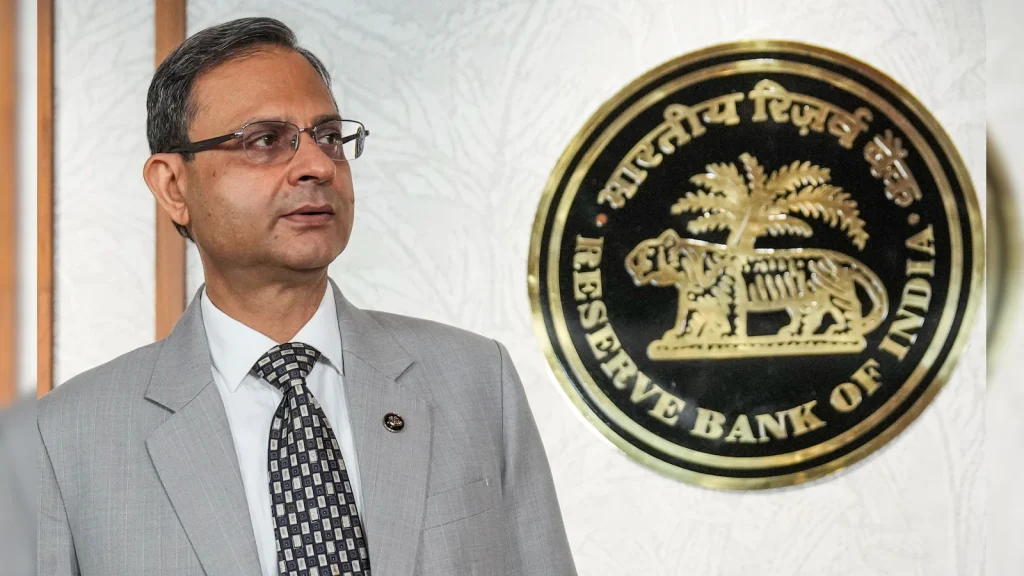
Reserve Bank Governor Sanjay Malhotra on Saturday cautioned that the financial system’s resilience today should not be seen as a guarantee against future vulnerabilities, and called for continued vigilance to safeguard financial stability.
“Our experience of the past two decades offers an important lesson: banking stress can build quickly and take years to resolve. It took nearly a decade to clean up the legacy of excessive lending and NPAs from the early 2000s. We cannot afford to become complacent; the economic and financial costs of allowing vulnerabilities to build up are simply too high,” he said.
Speaking at the Kautilya Economic Conclave here, he outlined five priorities for policymakers, stressing that financial stability should focus not on preventing shocks but on strengthening the financial system’s ability to withstand and contain their impact.
“Today’s resilience may not necessarily imply tomorrow’s immunity, and we are committed to remain vigilant of emerging vulnerabilities and continue to keep our financial system strong and resilient,” he said, highlighting the resilience of the financial system supported by healthy balance sheets of banks and NBFCs.
He said shocks, whether endogenous or exogenous, are inevitable and the objective should be to build a financial system capable of providing financial services even under severe stress.
Malhotra also flagged a new generation of systemic risks that are increasingly exogenous, cross-border and interconnected.
The next financial crisis, he said, may not necessarily originate in a bank or even within the financial sector, but could begin with a geopolitical event, cyber attack or technological failure and affect the financial system through multiple channels.
He stressed the need to better understand network dependencies and contagion channels while making scenario analysis a cornerstone of risk management.
The RBI governor also called for improvements in monitoring and assessment frameworks through better and more granular data.
Data on non-banking financial institutions (NBFIs), interconnected exposures, technological developments and cross-border positions can remain fragmented, he said, adding that the data quality would increasingly determine the quality of risk assessment in an interconnected financial system.
He said resilience also needs to be “system-wide”, noting that a strong banking system, while necessary, is not sufficient.