


Moscow, Oct 19:
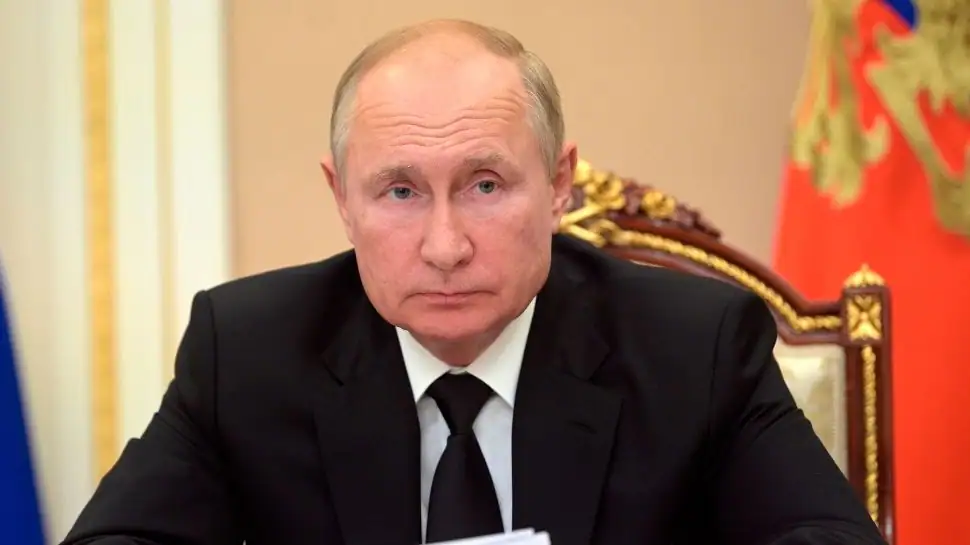
Russian President Vladimir Putin has proposed a summit with US President Donald Trump and Chinese President Xi Jinping to discuss a possible settlement to the four-year war in Ukraine, according to a report by The Wall Street Journal cited by Reuters. The proposal could bring the leaders of three major powers into direct discussions on one of the most consequential conflicts in Europe since the Second World War.
The proposed meeting was reportedly discussed during a telephone conversation between Putin and Trump on October 9. The Kremlin has indicated that discussions about a possible trilateral meeting are under way, although there is no confirmed agreement on the summit or its agenda. The Asia-Pacific Economic Cooperation summit scheduled for November 18 and 19 in Shenzhen, China, has been suggested as a possible venue on its sidelines.
A senior US official reportedly said Trump had not committed to attending but could be receptive to the idea. The White House and Chinese authorities had not formally confirmed the proposed meeting at the time of the report. Any decision to convene the three leaders would therefore remain subject to further diplomatic discussions.
The proposal comes amid changes in US-Russia engagement, including a reported agreement involving the purchase of Russian diesel and a recent US decision to waive certain sanctions. These developments have raised concern in Kyiv that closer ties between Washington and Moscow could weaken pressure on Russia or produce a settlement that leaves Ukraine vulnerable to renewed military action.
For Ukraine, the central questions would include territorial control, security guarantees and the future relationship between Kyiv and Moscow. European governments would also be watching closely, given the conflict’s implications for regional security and defence spending. A summit involving Trump, Putin and Xi could create a high-level diplomatic opening, but a meeting alone would not guarantee a settlement. Any durable agreement would need to address the security concerns of the parties directly affected by the war and establish credible mechanisms to prevent a return to fighting.