


Chennai, Oct 21:
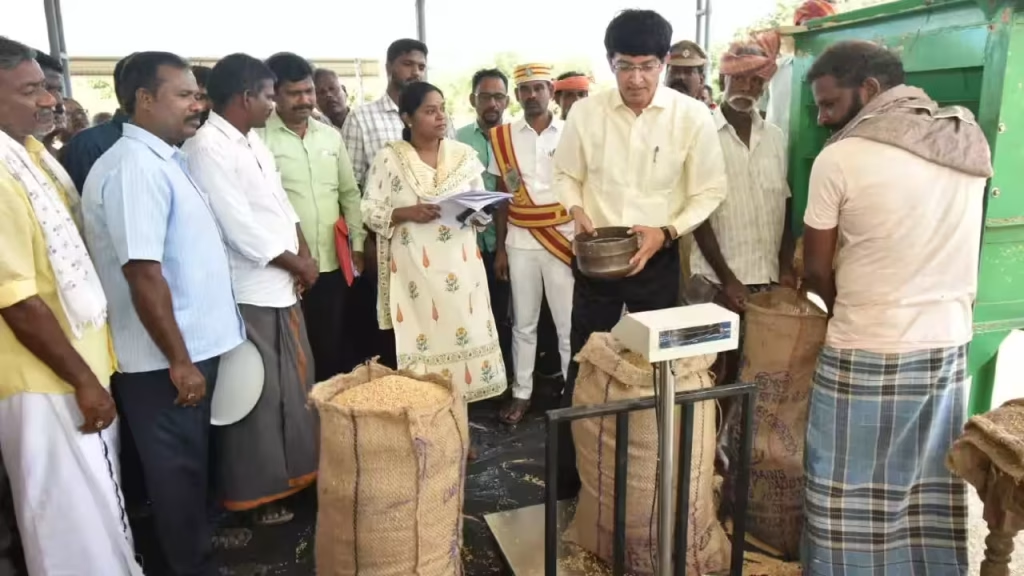
Tamil Nadu has set a target of procuring eight lakh tonnes of paddy to strengthen food security amid concerns that a possible El Niño-related drought could affect agricultural production and create shortages. The State has procured three lakh tonnes so far, Food and Civil Supplies Minister P Venkataramanan said on Tuesday.
Speaking to reporters in Valasaravakkam, the minister said the government was monitoring seasonal conditions and maintaining adequate stocks to meet the requirements of the public distribution system. Tamil Nadu had stocked 63 lakh tonnes of rice during 2025–26, he said, adding that the available supply was sufficient to meet ration shop requirements for two months. Achieving the current procurement target would help the State prepare for potential disruptions in production and supply. El Niño, a periodic warming of the central and eastern equatorial Pacific Ocean, can influence rainfall patterns across the world, although its effects on individual regions vary.
The minister also addressed complaints about the availability of fine-quality rice through ration shops, saying supplies were being distributed according to district-level demand. He clarified that the Tamil Nadu Civil Supplies Corporation procured paddy and milled it for distribution through fair price shops, while rice bought from the open market was processed at private mills and did not form part of the corporation’s procurement. Responding to demands from Cauvery Delta farmers for changes to direct paddy procurement centres, he said their locations were determined using cultivation data and assessments by district-level committees comprising five officials and two farmers. New centres would be established wherever feasible. The government is also examining complaints about onion quality, with the minister saying that the 730 tonnes procured in the previous round would be graded and only suitable produce sold. The procurement drive is intended to safeguard public distribution supplies and reduce the risk of shortages if adverse weather affects the next harvest.