

Nanguneri: Vanamamalai’s Sacred Tank, Irrigation Plains and the Southern Gateway of Tirunelveli
 By Nandhini
- Tamil
- Hindi
- Malayalam
- Kannada
- Telugu
Constituency No. 227 | Tirunelveli District | General
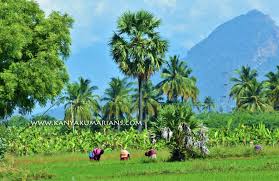
Nanguneri lies in the southern plains of Tirunelveli district, a constituency where temple heritage, agriculture and irrigation networks shape the everyday rhythm of life. Positioned between the Tamiraparani basin and the coastal stretch that leads toward Kanyakumari, Nanguneri occupies a strategic geographic space linking inland farming communities with the southern transport corridors of Tamil Nadu.
The constituency’s identity is anchored by one of the most revered Vaishnavite temples in southern Tamil Nadu — the Vanamamalai Perumal Temple, also known as Totadri or Vanamamalai Divya Desam. This ancient shrine, associated with the Sri Vaishnavite tradition and the lineage of the Jeer mutt, draws pilgrims from across the country.
Yet Nanguneri is not defined by temple life alone. Vast agricultural lands stretch across the constituency, nourished by irrigation tanks and canals connected to the Tamiraparani river system. The constituency therefore combines spiritual significance with the practical concerns of farming communities that depend on water management and rural infrastructure.
Vanamamalai Divya Desam

The spiritual nucleus of Nanguneri is the Vanamamalai Perumal Temple, one of the 108 Divya Desams celebrated in the hymns of the Alvar saints. The temple is dedicated to Lord Vishnu in the form of Deivanayaka Perumal and holds a prominent place in the Sri Vaishnavite pilgrimage circuit.
One of the distinctive features of this temple is its sacred tank and the tradition of offering oil abhishekam to the deity. The temple is also closely associated with the Vanamamalai Jeer Mutt, an influential Vaishnavite monastic institution that has played an important role in preserving religious scholarship and ritual traditions.
Pilgrims visiting the temple often combine their journey with visits to other sacred centres of the Tirunelveli region.
The temple therefore remains the spiritual anchor of the constituency.
Agricultural Landscape
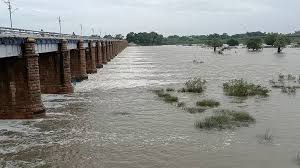
Nanguneri’s surrounding villages depend heavily on agriculture. Paddy cultivation dominates the countryside, supported by irrigation from tanks and canals linked to the Tamiraparani River basin.
Farmers also grow crops such as banana, coconut and pulses depending on soil conditions and rainfall patterns. Traditional irrigation tanks scattered across the region store monsoon water that sustains cultivation through dry months.
Agriculture continues to provide livelihood to thousands of families in the constituency.
Temples & Village Traditions

Beyond the Vanamamalai shrine, Nanguneri hosts numerous temples dedicated to Amman, Murugan and Shiva across its villages. Annual temple festivals draw large gatherings and feature traditional music, folk performances and community feasts.
These celebrations reinforce the social bonds that hold rural communities together.
Village temples therefore remain central to the cultural life of the constituency.
Road Corridors & Regional Link

Nanguneri lies along an important transport corridor connecting Tirunelveli with Kanyakumari district. Roads passing through the constituency carry agricultural produce, commercial goods and passenger traffic between the two regions.
The town also lies relatively close to the Nanguneri industrial corridor area, where industrial development projects have periodically been proposed as part of efforts to generate employment in southern Tamil Nadu.
Improving road infrastructure and attracting industries remain key development priorities for the region.
Electoral Ledger:
2011
Winner — H. Vasanthakumar (INC) — 75,613 votes
Runner-up — S. A. Murugan (AIADMK) — 73,821 votes
Third — R. Rajendran (DMDK) — 18,965 votes
Winning Margin — 1,792 votes
2016
Winner — H. Vasanthakumar (INC) — 74932 votes
Runner-up — VijayaKumar M (AIADMK) — 57617 votes
Third — Suresh Alias Kasinivendan (AIFB) — 14203 votes
Winning Margin — 17315 votes
2019 By-Election (Reference)
Winner — Ruby R. Manoharan (INC) — (by-poll following vacancy)
2021
Winner — Ruby R. Manoharan (INC) — 75902 votes
Runner-up — Ganesaraja. N (AIADMK) — 59,416 votes
Third — Paramasiva Iyyappan S. (AMMK) — 31,870 votes
Winning Margin — 16486 votes
The constituency has frequently seen contests between the major Dravidian alliances, with national parties occasionally playing significant roles through coalition arrangements.
Civic & Development Concerns
Residents often highlight several development priorities:
improved irrigation systems for agriculture
expansion of rural roads and transport links
employment opportunities through industrial investment
preservation of temple heritage and pilgrimage infrastructure
Agricultural stability remains the most important concern for rural voters.
Political Temperament
The electorate of Nanguneri includes farmers, traders, temple workers and small business owners. Political mobilisation often occurs through village networks and farming communities.
Election campaigns typically emphasise irrigation support, rural development and employment generation.
Religious institutions also contribute to the constituency’s social influence.
What Decides Nanguneri
Three factors often shape the electoral outcome here:
Temple influence
The Vanamamalai Divya Desam remains a powerful cultural symbol.
Agricultural livelihood
Farmers depend heavily on irrigation and water security.
Regional development
Industrial opportunities and infrastructure improvements influence voter expectations.
Nanguneri voters therefore weigh both spiritual heritage and economic progress when choosing their representatives.
Closing Frame
Across the fields surrounding Nanguneri, farmers cultivate paddy nourished by the waters of the Tamiraparani basin. In the town centre, pilgrims gather at the Vanamamalai temple, where centuries-old rituals continue to unfold.
The constituency stands as a meeting point of faith and farming — a place where sacred tradition coexists with the practical concerns of rural life.
When Nanguneri votes, the verdict reflects the voice of a region shaped by devotion, agriculture and the enduring rhythms of the southern plains.