


Chennai, Apr 10:
The vibrant, slogan-filled walls that once defined election season in Tamil Nadu are slowly disappearing, replaced by the silent scroll of smartphones and the glow of digital screens. What was once a colorful, street-level spectacle has now shifted into the virtual realm, leaving behind cleaner walls—and quieter livelihoods.
For decades, wall paintings served as the heartbeat of political campaigning across the state. Party symbols, candidate faces, and catchy slogans would appear overnight, transforming entire neighborhoods into visual battlegrounds. But this election season tells a different story.
With the rapid rise of platforms like WhatsApp, Twitter, and Facebook, political parties are increasingly choosing targeted digital outreach over traditional methods. Campaign messages are now tailored, shared instantly, and directed at specific voter groups—making physical wall space far less relevant.
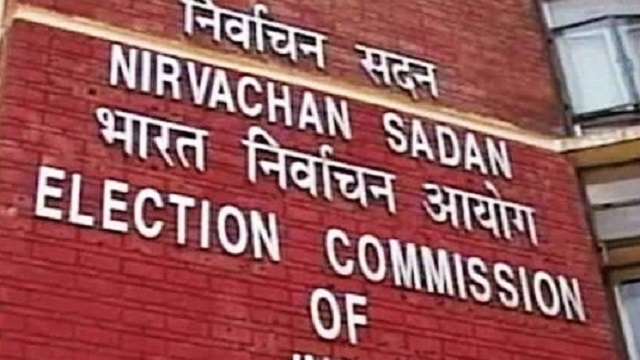
Alongside this digital shift, stricter regulations by the Election Commission of India and growing resistance from homeowners have further reduced wall painting activities.
“Earlier, they would come at night and paint without even asking. Now, that doesn’t happen,” said a resident. “Our walls are clean. They cannot arbitrarily come paint and go today.”
For many, this change is welcome. Streets look neater, buildings remain unscarred, and residents feel a renewed sense of control over their private spaces. But for others, especially painters who relied on election seasons for income, the shift has been harsh.
“Election time used to mean steady work for us,” said a local painter. “We would get contracts from parties and work day and night. This time, there’s hardly anything. Everything has gone online.”
Another painter echoed the concern: “We are standing in lines hoping for work, but there’s very little demand. Digital campaigns have taken away our earnings.”
The decline in wall paintings reflects a broader transformation in political campaigning—one that prioritizes speed, precision, and data-driven outreach over mass visual appeal.
While parties benefit from efficiency, the ripple effects are being felt on the ground by workers whose skills once played a vital role in elections.
As Tamil Nadu moves deeper into the digital age, its political canvas is no longer painted in bold colors on public walls—but crafted through pixels, posts, and private screens.