

Coimbatore (South): Industry, Ideology and the Urban Crucible

- Tamil
- Hindi
- Malayalam
- Kannada
- Telugu
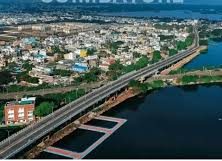
Constituency No. 120 | Coimbatore District | General
If Coimbatore (North) reflects industrial discipline, Coimbatore (South) embodies urban contest. This is a constituency where commerce meets confrontation, where textile capital intersects with ideological assertion, and where electoral margins are read as signals beyond the district.
Coimbatore (South) is not a quiet seat. It is a crucible.
Here, mandate is debated long after it is declared.
Commercial Core and Civic Density
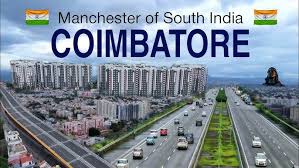
Coimbatore (South) includes some of the city’s busiest commercial corridors, residential pockets and trading hubs. Retail markets, jewellery clusters, textile showrooms and transport depots shape its economic pulse. Small and medium enterprises dominate employment patterns.
Urban density brings layered civic demands: traffic decongestion, parking regulation, waste management and stormwater drainage performance. Road infrastructure linking commercial zones is under constant scrutiny.
In this constituency, infrastructure is politics.
Temple Tradition Amid Urban Surge

Religious life remains vibrant. The nearby Eachanari Vinayagar Temple draws thousands daily, influencing commercial activity in its vicinity. Urban Mariamman shrines and Vinayagar temples host major Vinayaka Chaturthi celebrations that reflect Coimbatore’s devotional rhythm.
Festivals bring large gatherings, requiring administrative coordination and political presence. Faith here is organised and visible.
Urban growth has not erased temple culture; it has amplified it.
Educational and Entrepreneurial Energy
Colleges, coaching centres and training institutes create a youthful voter segment. Startup networks and MSME associations shape policy conversations. Business owners here track GST compliance burdens, export incentives and credit availability.
Economic literacy among voters is high. Policy debate is often grounded in practical impact.
Coimbatore (South) listens critically.
Electoral Ledger:
This seat has witnessed intense competition and multi-cornered contests.
20112011
Winner: R. Aranganathan (AIADMK) — 1,11,256 votes
Second: Pongalur N. Palanisamy (DMK) — 79,345 votes
Third: K. Prakash (DMDK) — 29,481 votes
Margin: 31,911 votes
2016
Winner: Amman K. Arjunan (AIADMK) — 59788 votes
Second: Mayura Jayakumar (INC) — 42369 votes
Third: Vanathi Srinivasan (BJP) — 33113 votes
Margin: 17419 votes
2021
Winner: Vanathi Srinivasan (BJP) — 53,209 votes
Second: Kamal Haasan (MNM) — 51,481 votes
Third: Mayura S. Jayakumar (INC–DMK alliance) — 42,383 votes
Margin: 1,728 votes
The 2021 contest turned Coimbatore (South) into one of Tamil Nadu’s most closely watched seats. A triangular battle produced a narrow margin and national attention. The verdict reflected fragmentation, ideological contest and concentrated turnout management.
The seat’s outcome reverberated beyond district boundaries.
Ideological Theatre and Urban Assertion
Coimbatore city has historically seen the interplay of Dravidian politics, national party assertion and religious mobilisation. Coimbatore (South) stands at that intersection.
Campaign narratives here often transcend local issues and invoke broader ideological frameworks. Yet voters remain attentive to everyday civic performance.
It is a constituency where symbolism must meet service.
Industrial Policy and MSME Pulse
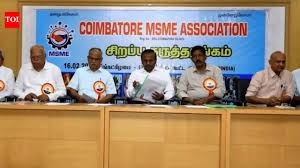
The pump manufacturing cluster, textile traders and small engineering units form key voter blocs. Policy affecting power tariffs, labour regulation and export compliance resonates directly.
When MSMEs face credit stress, sentiment shifts. When export orders rise, confidence follows.
Economic momentum influences ballot mood.
Civic Expectations
Urban voters here demand:
Efficient waste management.
Traffic easing measures.
Reliable drinking water supply.
Flood mitigation during heavy rains.
Local governance performance is monitored closely by resident associations and business chambers.
Delivery here must be measurable.
Cuisine and Kongu Cosmopolitanism
Coimbatore (South) reflects the Kongu palate — arisi paruppu sadam, kola urundai and coconut-rich gravies — alongside modern cafés and multi-cuisine restaurants. Textile traders and students share street-side eateries that double as political discussion spaces.
Food culture mirrors economic vibrancy.
Security Sensitivity and Memory
Coimbatore city carries historical memory of past communal tensions and security incidents. Though not confined to one constituency, such memories influence civic and political discourse across urban segments including Coimbatore (South).
Law and order, therefore, remains a sensitive and recurrent theme.
Urban calm is valued deeply here.
What Decides Here
Three determinants shape Coimbatore (South)’s trajectory:
Urban Governance Performance.
Traffic, drainage and water are non-negotiable.
Industrial and Commercial Confidence.
MSME health shapes sentiment.
Turnout Discipline in Multi-Cornered Fights.
Tight margins amplify booth-level precision.
Coimbatore (South) is not swayed by rhetoric alone. It weighs, it compares, it decides.
Closing Frame
Market shutters rise at dawn. Temple bells echo through commercial streets. Students debate politics in cafés. Textile traders track export rates. Campaign banners line arterial roads, then vanish into evening traffic.
Coimbatore (South) remains an urban crucible — a seat where ideology and infrastructure wrestle, where margins are narrow and messages amplified.
When it votes, it does so with the alertness of a trading floor — precise, pragmatic and intensely aware of consequence.
In Coimbatore (South), mandate is contested — and consequential.