

1996: Anti-Incumbency Wave and the Rise of a Reform Mandate

🌐 Translate ▾
- Tamil
- Hindi
- Malayalam
- Kannada
- Telugu
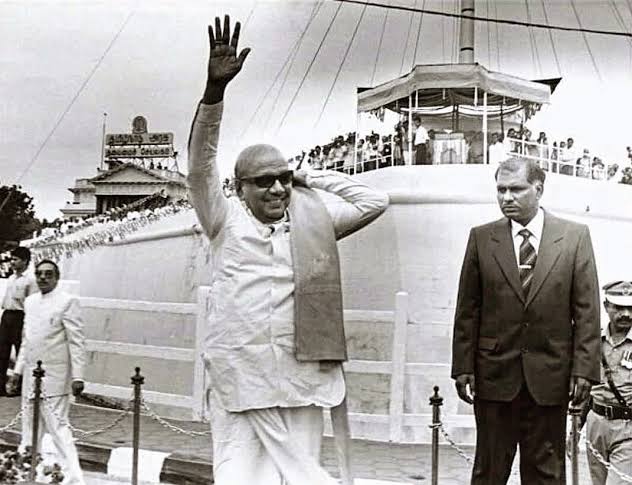
The 1996 Tamil Nadu Assembly election stands out as one of the most dramatic electoral verdicts in the state’s political history. The election resulted in a sweeping victory for the Dravida Munnetra Kazhagam (DMK) led by M. Karunanidhiand a historic defeat for the ruling All India Anna Dravida Munnetra Kazhagam (AIADMK) government headed by J. Jayalalithaa. The election reflected a powerful anti-incumbency wave and widespread public demand for political change.
Political Background
After coming to power in the landslide 1991 election, Jayalalithaa’s government faced growing criticism over allegations of corruption, extravagant spending, and misuse of power. Several controversies, including high-profile corruption cases and accusations of financial irregularities, damaged the image of the ruling AIADMK government.
Public dissatisfaction intensified toward the end of the government’s tenure. Rising prices, concerns about governance, and allegations against ministers contributed to an atmosphere of strong anti-government sentiment across the state.
At the same time, opposition forces began consolidating to challenge the AIADMK. A major political development was the formation of the Tamil Maanila Congress (TMC) led by G. K. Moopanar, who broke away from the Indian National Congress after differences with the national leadership over an alliance with the AIADMK.
Formation of Alliances
The 1996 election witnessed a powerful alliance between the DMK and the newly formed Tamil Maanila Congress. This alliance also included several smaller parties and gained the support of influential public figures, including film star Rajinikanth, who openly criticized the AIADMK government and urged voters to support the opposition.
The AIADMK, on the other hand, contested the election in alliance with the Congress party. However, the alliance struggled to overcome the growing anti-incumbency sentiment among voters.
Campaign Themes
The election campaign revolved around issues of corruption, governance, and political accountability. The DMK and its allies strongly criticized the AIADMK government for alleged corruption and misuse of public funds. Karunanidhi promised a clean and transparent administration if elected to power.
The opposition campaign also emphasized restoring democratic institutions, improving administrative efficiency, and focusing on development and welfare policies.
Jayalalithaa’s campaign highlighted her government’s achievements in welfare programs and infrastructure development. However, the negative public perception created by controversies made it difficult for the ruling party to regain voter confidence.
Election Results
The election results delivered a historic verdict. The DMK-TMC alliance won an overwhelming majority in the Assembly, securing one of the largest victories in Tamil Nadu’s electoral history. The AIADMK suffered a crushing defeat, winning only a handful of seats.
Karunanidhi was sworn in as Chief Minister for the fourth time, marking a dramatic political comeback for the DMK.
Political Significance
The 1996 election demonstrated the power of anti-incumbency in Tamil Nadu politics and highlighted the importance of governance and public perception in electoral outcomes. The results also strengthened the role of alliances in determining election results in the state.
The victory marked the beginning of a new phase of DMK governance, focusing on administrative reforms, infrastructure development, and economic modernization.
Another notable outcome of the election was the emergence of a stronger coalition culture in Tamil Nadu politics. The success of the DMK-TMC alliance showed that broad political coalitions, supported by civil society voices and influential public figures, could decisively shape electoral outcomes. This model of alliance-based politics continued to influence electoral strategies in Tamil Nadu in the years that followed.
Overall, the 1996 Tamil Nadu Assembly election remains a landmark moment that reshaped the state’s political landscape and reaffirmed the unpredictable nature of democratic politics in Tamil Nadu.