

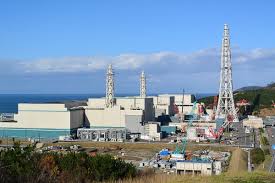
 Tokyo: Japan has restarted a reactor at the Kashiwazaki-Kariwa nuclear power plant, marking the first time the facility has generated power since the 2011 Fukushima disaster forced a nationwide shutdown of the country’s nuclear fleet. Reactor No. 6 at the Niigata Prefecture site was successfully brought back online on Wednesday, signalling a major shift in Japan’s energy strategy nearly 15 years after the catastrophic accident.
Operated by Tokyo Electric Power Company (TEPCO), the Kashiwazaki-Kariwa complex is the world’s largest nuclear power station by potential output, with seven reactors capable of producing a combined 8.2 gigawatts of electricity. Only one unit has been restarted so far, with plans to bring it up to full output in the coming weeks ahead of commercial operations, likely by late February.
The move reflects Japan’s renewed embrace of nuclear energy as a key component of its energy mix. After the Fukushima accident — triggered by a massive earthquake and tsunami — all 54 of the country’s reactors were taken offline for safety reviews. Since then, regulatory changes have enabled a gradual return to nuclear power, with now 15 reactors cleared to operate under stricter standards.