


Chennai, Sept 1:
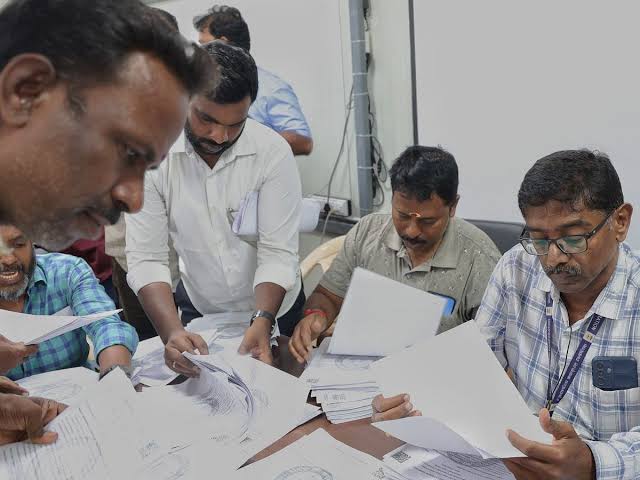
The first phase of the Census of India 2027, covering the House Listing and Housing Census operations, was successfully completed across Tamil Nadu on Monday, with more than 1.15 lakh enumerators and 19,000 supervisors deployed across nearly 1.2 lakh house-listing blocks.
The field operations began on August 1, following a Self-Enumeration window that was opened from July 17 to 31. The facility enabled residents to submit their household details online through the official Census portal before the commencement of the door-to-door exercise.
The extensive exercise covered both urban and rural areas of the State. Enumerators mapped every building, house and residential unit and collected information based on 33 key indicators relating to housing conditions, household assets and access to essential civic amenities.
The indicators included availability of drinking water, electricity, sanitation facilities, kitchen facilities and digital connectivity, besides details relating to the durability and characteristics of houses.
The exercise also marked a major shift towards digital census operations. Instead of traditional paper schedules, enumerators used a secure mobile application for direct data entry, geo-tagging and real-time transmission of information.
The Directorate of Census Operations, Tamil Nadu, thanked the enumerators, supervisors and administrative personnel for completing the exercise. It also expressed appreciation to the people, State Government, Principal Census Officers, district administration, municipal corporations, Charge Census Officers and media organisations for their cooperation.
Officials stressed that all individual information collected during the census would remain confidential under the Census Act, 1948. The data will be used only for statistical analysis and public policy formulation.
The second phase — Population Enumeration — will be conducted across the country during January and February 2027. During this phase, every individual residing in Tamil Nadu will be enumerated to capture demographic, socio-economic and socio-cultural details.
The exercise is expected to provide an updated population baseline for future development planning, resource allocation and policy formulation.