


ASUNCIÓN , November 6:
Paraguayan President Santiago Peña has announced his resignation amid a banking crisis that has frozen the savings of nearly three million people and triggered widespread protests, deepening political uncertainty in the South American country.
The crisis erupted after the Central Bank took control of Ueno Bank on November 3, citing a severe capital shortfall. The move prevented millions of customers, including pensioners, from accessing their deposits, prompting angry demonstrations across the country.
Thousands of protesters gathered outside Congress in the capital, Asunción, on Thursday, demanding the return of their money and calling for Peña to leave office. Earlier demonstrations witnessed clashes between protesters and police, who used tear gas and water cannons to disperse crowds.
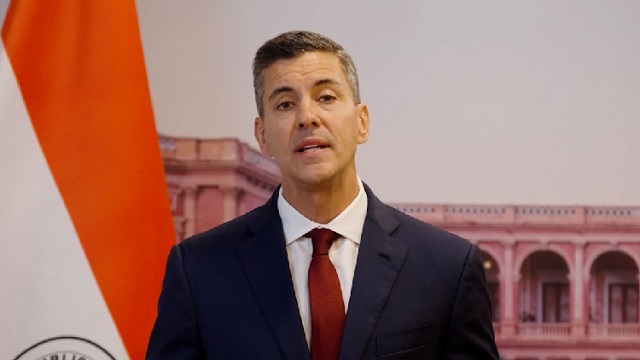
Peña announced his resignation in a video posted on social media, saying he did not intend to betray the public’s trust. He said his priority was restoring confidence among Paraguayans who had entrusted their savings to the country’s financial system.
The President’s resignation followed growing allegations of misconduct and a conflict of interest involving the bank. Peña previously held shares in a business group that controlled Ueno Bank, although he sold his stake last year.
Opposition lawmakers accused the government of allowing a financial crisis to develop under its watch. Parliament voted unanimously to initiate impeachment proceedings against Peña on Thursday. However, an extraordinary session called to decide whether to accept his resignation failed to secure the required quorum.
A separate session subsequently scheduled the impeachment trial to begin on Friday. Peña said he would attend the proceedings.
The Central Bank defended its takeover of Ueno, saying the intervention was necessary to protect depositors and maintain financial stability. Peña had earlier sought the resignation of Central Bank president Carlos Carvallo and set a five-day deadline for the return of frozen deposits, but the measures failed to calm public anger.
The crisis has affected families and businesses that depended on the bank for savings, loans and everyday transactions. Some customers reported losing access to funds intended for housing purchases and essential expenses.
Vice-President Pedro Alliana is expected to assume the presidency if Peña’s resignation is formally accepted. The political transition comes as authorities face mounting pressure to restore access to deposits and prevent further damage to confidence in Paraguay’s banking system.
The developments have raised concerns about financial oversight, political accountability and the protection of ordinary depositors in the country.