


 Dhaka, Aug 29:
  Bangladesh’s interim government has lifted the ban on the country’s largest Islamist party, Bangladesh Jamaat-e-Islami, and its student wing, Bangladesh Islami Chhatrashibir. The ban, imposed by the previous Sheikh Hasina regime on August 1, 2024, was rescinded following a home ministry gazette notification issued on August 28, 2024. The interim administration stated that no concrete evidence of terrorism or violence linked to the party or its affiliates had been found, leading to the reversal of the ban.
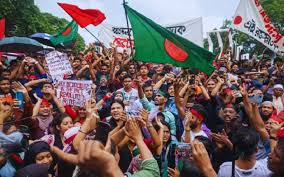
Sheikh Hasina’s government had accused Jamaat-e-Islami of instigating violent protests that erupted nationwide in July, which were initially driven by opposition to a controversial government job quota. Despite the protests leading to calls for Hasina’s ouster, the ban on Jamaat was implemented just days before her departure to India. The party had previously been banned four times since its inception in 1941, reflecting its tumultuous history with Bangladesh’s political landscape.
In response to the ban’s lifting, BNP secretary-general Mirza Fakhrul Islam Alamgir emphasized his party’s stance against banning any political entity, advocating for constitutional freedom to support any party. Jamaat-e-Islami’s chief, Shafiqur Rahman, expressed a desire for balanced international relations, including strong ties with India, while addressing misconceptions about the party’s stance on foreign policy. Rahman affirmed that Jamaat-e-Islami’s primary interest remains in protecting Bangladesh’s national interests.