


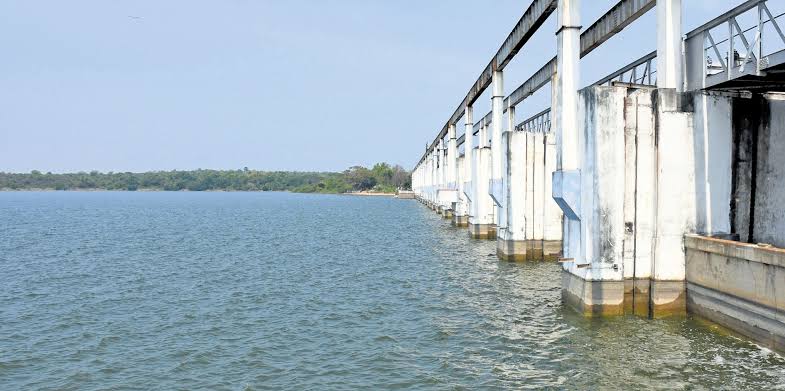
Despite the torrential rains brought by Cyclone Benzal, only 277 out of the 1,644 lakes under the Palar basin’s jurisdiction have reached full capacity, according to a statement by the Water Resources Department.
The cyclone triggered widespread rainfall across Tamil Nadu, significantly increasing water levels in key reservoirs supplying drinking water to Chennai. The storage capacity in these reservoirs, which was at 47% before the rains, has now risen to 54%.
The Palar basin spans across four districts — Kanchipuram, Tiruvallur, Chengalpattu, and Chennai — and comprises a total of 1,644 lakes. As of two days ago, 141 lakes had reached their full capacity. This number increased yesterday, with an additional 136 lakes filling up completely, bringing the total to 277 lakes.
Despite the heavy rainfall, the majority of lakes under the Palar basin’s jurisdiction are yet to reach their full storage potential. Officials from the Water Resources Department emphasized that continuous monitoring is underway to ensure effective water management and to address any risks of overflow or flooding.
The rains have had a positive impact on Chennai’s drinking water supply. The city’s reservoirs, which had storage levels below the halfway mark, have seen a notable increase in water levels, easing concerns about water scarcity in the coming months.
The Palar basin lakes play a crucial role in storing water for agricultural and drinking purposes. However, the slow filling of these lakes indicates a need for improved water management and maintenance. Authorities are focusing on strengthening the infrastructure of these water bodies to maximize their storage capacity and prevent water wastage.
With the Northeast Monsoon expected to continue for the next few weeks, water levels in reservoirs and lakes are likely to rise further. The state government has urged residents in low-lying areas to stay cautious and has deployed officials to monitor the situation closely.
Efforts are also underway to assess the condition of other lakes and reservoirs in the region to ensure that the benefits of the rains are fully utilized while minimizing risks to public safety.