

Cuddalore: Port, Pataliswarar and the Coast that Endures

- Tamil
- Hindi
- Malayalam
- Kannada
- Telugu
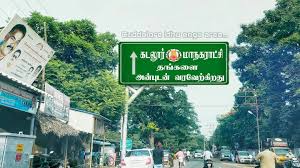
Constituency No. 156 | Cuddalore District | General
Cuddalore stands where river meets sea and history meets hazard. It is a coastal constituency shaped by trade winds, temple towers, colonial forts and cyclones that have tested resilience time and again.
This is not merely a port town. It is a delta edge — agricultural hinterland behind it, Bay of Bengal before it, and centuries of commerce in between.
Cuddalore does not live gently. It endures.
Temple and Time

At the spiritual centre of the town rises the ancient Pataliswarar Temple, dedicated to Lord Shiva. With roots reaching back to the Chola era and references in Tevaram hymns, the temple anchors both faith and local memory.
Temple streets remain vibrant with vendors, flower stalls and devotional gatherings. Festivals draw crowds from across the district. The temple tank, ritual processions and centuries-old stone corridors bind generations.
Cuddalore’s sacred geography predates its colonial coastline.
Port and Colonial Footprint
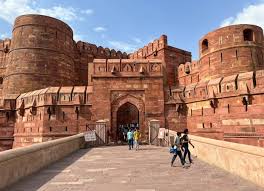
Cuddalore once served as an important colonial trading post. The remains of Fort St. David, a British-era fortification, still stand as a reminder of European competition for maritime dominance in the 18th century.
The port town legacy fostered a mercantile culture. Trade in agricultural produce, particularly rice and sugar, linked hinterland farms to maritime routes.
Though not a major modern commercial port, Cuddalore retains its coastal trade character.
History here is layered in stone and salt.
River, Sea and Risk
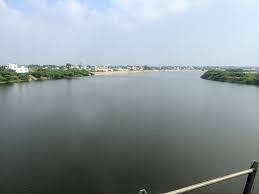
Cuddalore lies near the mouth of the Gadilam River, which flows into the Bay of Bengal. During heavy monsoon, river swelling and sea surge can combine dangerously. Flooding and cyclone impact are not rare events but recurring tests.
The 2004 tsunami, and subsequent cyclones, left deep memory in the district. Disaster preparedness, embankment strengthening and coastal protection measures remain central to governance.
In Cuddalore, resilience is political currency.
Industry and Environment
The broader Cuddalore region houses industrial clusters, including chemical and manufacturing units. Employment generation from industry coexists with environmental scrutiny regarding air and water quality.
Balancing industrial growth with ecological protection is an ongoing conversation. Environmental regulation is not theoretical; it affects local health and agriculture.
This is a constituency where smokestacks and shorelines share horizon.
The Electoral Ledger:
Cuddalore’s recent verdicts reflect competitive realignment.
2011
Winner: M. C. Sampath (AIADMK) — 86,018 votes
Second: E. Pugalendhi (DMK) — 74,992 votes
Third: DMDK candidate — 12,834 votes
Margin: 11,026 votes
A comfortable margin aligned with the broader state shift.
2016
Winner: M. C. Sampath (AIADMK) — 94,384 votes
Second: E. Pugalendhi (DMK) — 88,170 votes
Third: PMK candidate — 9,127 votes
Margin: 6,214 votes
The gap narrowed significantly, signalling tightening contest.
2021
Winner: E. Pugalendhi (DMK) — 1,05,123 votes
Second: M. C. Sampath (AIADMK) — 89,546 votes
Third: NTK candidate — 13,702 votes
Margin: 15,577 votes
The axis shifted with a widened margin under consolidation.
Cuddalore alternates within structured competition, often reflecting delta and coastal mood swings.
Agrarian Hinterland
Though coastal, the constituency draws strength from its agricultural hinterland. Paddy cultivation dominates surrounding belts. Canal maintenance and flood control influence crop yield.
Delta agriculture depends on upstream water release schedules. Excess rain can damage; deficit rain can stress.
Farmers and fisherfolk together shape electoral calculus.
Connectivity and Movement
Cuddalore enjoys railway connectivity linking it to Chennai, Villupuram and southern districts. Road corridors connect to Puducherry and Chidambaram, facilitating trade and tourism.
Yet coastal erosion and road damage after cyclones remain challenges. Infrastructure resilience is tested frequently.
Movement here is both opportunity and vulnerability.
Cuisine and Coastal Character

Seafood defines coastal palate — fish curries, prawn dishes and dried fish markets remain prominent. Temple prasadams and traditional sweets complement this maritime flavour.
Markets bustle early, particularly near harbour stretches and fish landing centres. Food reflects geography directly.
Civic Priorities
Key determinants remain clear:
Flood mitigation and drainage strengthening.
Coastal embankment protection.
Environmental regulation of industrial units.
Irrigation management for hinterland farms.
Health infrastructure and disaster response coordination also weigh heavily in public perception.
Cuddalore demands preparedness.
What Decides Here
Three forces shape Cuddalore’s electoral direction:
Disaster Response Credibility.
Cyclone and flood management influence trust.
Industrial–Environmental Balance.
Growth must not compromise health.
Agrarian and Marine Stability.
Farmers and fisherfolk both matter.
Margins expand when governance appears resilient. They compress when vulnerability resurfaces.
Closing Frame
Temple bells ring beside tidal wind. The Gadilam flows toward restless sea. Fort walls stand weathered but upright.
Cuddalore is a constituency accustomed to trial — by storm, by tide, by political shift.
It endures, adapts and recalibrates.
When Cuddalore votes, it does so with memory of waves and weight of water.
In this coastal delta seat, mandate is shaped by resilience.